
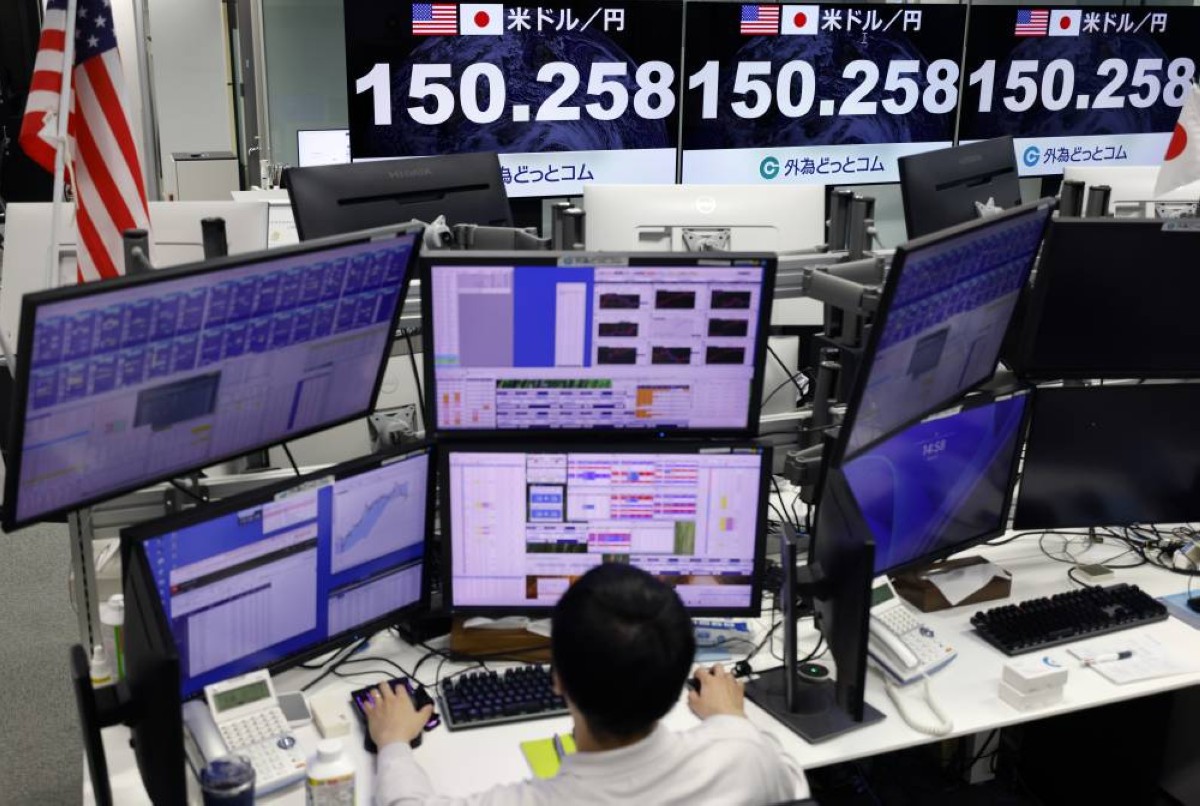
Tokyo’s stock market experienced a mixed close Monday as heightened geopolitical tensions surrounding Taiwan weighed on investor sentiment, particularly in the tourism sector. The decline followed a Chinese government warning to its citizens against travel to Japan, a move likely linked to recent statements from Tokyo regarding potential intervention in a conflict over the island [[3]]. The situation underscores the growing economic risks associated with escalating regional disputes as broader market factors, including ongoing tariff concerns [[1]], continue to shape the global financial landscape.
Tokyo’s Nikkei 225 index closed marginally lower Monday, as shares in tourism-related companies declined following a Chinese government warning to its citizens against travel to Japan amid escalating diplomatic tensions over Taiwan.
The Nikkei finished down 0.1% at 50,323.91 points, after having risen 0.4% earlier in the session. The broader Topix index fell 0.37% to 3,347.53 points.
The downturn follows a warning from China on Friday to Tokyo, stating that any military intervention regarding Taiwan could result in a “devastating” defeat. Beijing also cautioned its citizens against visiting Japan.
Tensions between Tokyo and Beijing have been rising since Japanese Prime Minister Sanae Takaichi earlier this month suggested that a Chinese attack on Taiwan could pose an “existential threat” and potentially trigger a military response from Japan. The statement signaled a stronger stance from Japan regarding the self-governed island, which China claims as its own.
Japanese retailers heavily rely on Chinese tourists, who are significant spenders on items like clothing and cosmetics. The travel warning from Beijing is expected to impact these businesses.
Department store stocks saw substantial declines, with Isetan Mitsukoshi Holdings dropping 11%. Takashimaya lost 6.18%, and Shiseido, a major cosmetics company, fell 9.08%.
Fast Retailing, the parent company of the Uniqlo brand, experienced a 5.29% decrease, contributing the most to the Nikkei’s decline.
“The market reaction to those stocks was a bit overdone,” said Shoichi Arisawa, general manager of investment research at Iwai Cosmo Securities. “Perhaps investors have already priced in all the bad news regarding the relationship between China and Japan.”
Arisawa added, “I don’t think the selling of those stocks will continue.”
Despite the declines, technology stocks offered some support to the market as investors bought shares in the semiconductor and artificial intelligence sectors following price dips.
Tokyo Electron, a manufacturer of semiconductor production equipment, rose 4.55% and was the biggest boost to the Nikkei. SoftBank Group gained 2.83%.
Mitsui Kinzoku, a manufacturer of materials for data centers, jumped 8.87%. Sumitomo Mitsui Financial Group, the country’s second-largest banking group, increased 4.57% after announcing a 57% rise in net profit for the July-September quarter on Friday.
Mitsubishi UFJ Financial Group and Mizuho Financial Group, however, saw declines of 1% and 0.26% respectively, despite also reporting increased quarterly profits. The diverging performance highlights the sector’s sensitivity to geopolitical concerns.
