
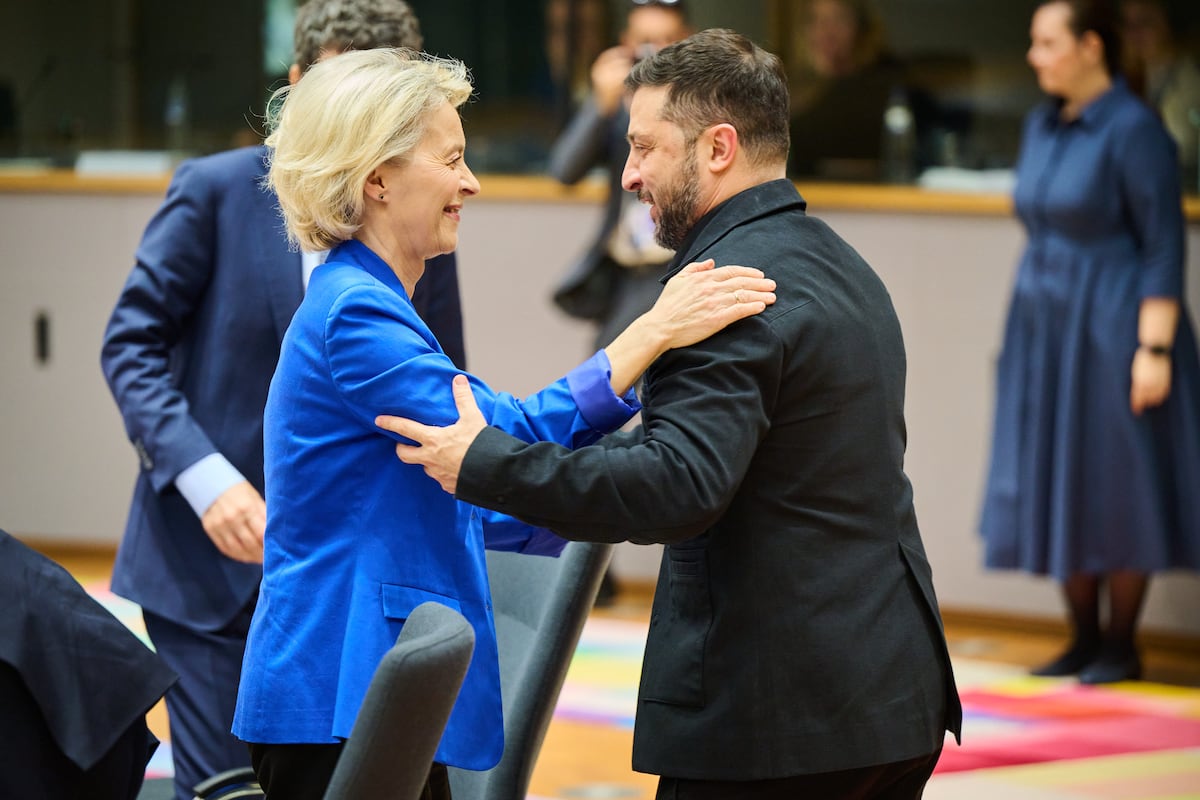
Teh European union is grappling with how to deliver a crucial €136 billion ($146 billion USD) aid package to Ukraine as Kyiv prepares for a challenging winter and continued conflict with Russia. Negotiations are stalled over belgium’s reluctance to utilize frozen Russian assets-the majority of which are held within its borders-as collateral for a “reparation loan.” Facing a rapidly approaching deadline to secure funding before existing aid runs out, the European Commission, led by Ursula von der Leyen, is now presenting alternative funding models and offering considerable concessions to overcome Belgium‘s objections and ensure Ukraine’s financial stability. These options range from increased contributions from member states to potentially impacting the EU’s overall budgetary framework.
As winter approaches, Ukraine is racing to fortify its power grid against a looming new Russian offensive, while facing increasing uncertainty over continued financial support from the European Union. The situation highlights the critical need for sustained international aid as the conflict with Russia continues with no clear end in sight.
Brussels estimates Ukraine will require nearly €136 billion ($146 billion USD) to cover its macroeconomic and military needs through 2027, with the first funds potentially available next spring. However, securing that aid is proving difficult.
The most expedient path to assistance – utilizing frozen Russian assets to issue a “reparation loan” potentially worth up to €140 billion ($150 billion USD) – remains stalled due to objections from Belgium. The majority of those assets are held within Belgian territory, and officials there are wary of potential retaliation from Moscow.
According to a letter distributed Monday by European Commission President Ursula von der Leyen to EU capitals, alternative funding models exist, but could prove costly for all 27 member states. These options would require each country to dedicate up to 0.27% of its gross national income annually to support Ukraine.
For Spain, this would translate to over €4 billion ($4.3 billion USD) per year, contingent on the war ending in 2026 and assuming contributions from other nations, the letter states.
Von der Leyen has repeatedly expressed a preference for the “reparation loan” approach, arguing it is the most effective way to support Ukraine’s defense and economy. She also believes it sends a clear message to Russia that time is not on its side. “This is the most effective way to support the defense of Ukraine and its economy,” she said last week before the European Parliament.
Von der Leyen met for at least an hour with Belgian Prime Minister Bart De Wever on November 15, but no public statement followed the meeting, signaling a continued impasse. The deadline for a resolution – to begin aid before spring when funding runs out – is rapidly approaching.
In an effort to sway the Belgian government, Von der Leyen is now proposing “legally binding and irrevocable” guarantees from other EU member states. She also suggests a commitment to cover risks associated with using the frozen Russian assets, even after the funds are unfrozen following the war’s conclusion.
Following a meeting with NATO Secretary General Mark Rutte, Finnish President Alexander Stubb acknowledged Belgium has “legitimate political and legal concerns,” but expressed confidence they could be resolved before the next European leaders’ summit in December. He emphasized that Ukraine’s “survival” is at stake.
The letter from Von der Leyen responds to a mandate from the European Council, requesting a comprehensive overview of all potential aid options and their implications. Critics had previously faulted the Commission for presenting leaders with an incomplete picture at the last summit in late October.
One option outlined in the letter is a package of “non-refundable aid financed by member states,” requiring each country to provide voluntary bilateral subsidies to the EU, which would then be converted into non-refundable aid for Kyiv. The Commission estimates this would require a minimum of €90 billion ($97 billion USD) for the 2026-27 period, impacting member states by between 0.16 and 0.27% of their gross national income annually. Based on 2024 figures, Spain’s contribution could reach approximately €4.3 billion ($4.6 billion USD) per year.
A second option involves the EU financing aid to Ukraine by borrowing on financial markets – a less desirable approach, particularly for countries with limited fiscal space, such as France and Italy. The Commission warns that such measures are likely to impact national debt and deficits. “Measures involving guarantees from member states are more likely to affect national debt and deficits,” Brussels cautioned.
Alternatively, EU loans could be backed by the EU’s budgetary margin. However, this would require amending existing rules and could potentially impact interest rates on other EU-funded programs, such as the NextGeneration EU recovery fund and the SAFE program for joint arms purchases for Ukraine.
Von der Leyen’s letter reiterates support for the “reparation loan” – the option opposed by Belgium – stating it “does not require any direct borrowing by the Union on capital markets to finance the loan to Ukraine.”
To further persuade the Belgian government, the letter promises “legally binding, unconditional and irrevocable” guarantees from other member states, extending to risks associated with bilateral investment treaties linked to the frozen Russian assets, even after the assets are unfrozen.
Brussels also proposes expanding the use of frozen funds to include cash balances associated with Russian sovereign assets held by other EU financial institutions, such as commercial banks – excluding central banks. This could add an estimated €25 billion ($27 billion USD). The proposal also aims to ensure the financial stability of institutions holding the immobilized assets and mitigate all risks.
Von der Leyen stresses that all three options require a “collective commitment” and “strong solidarity” from the 27 member states, and expresses hope for an agreement at the upcoming European leaders’ summit in mid-December in Brussels. The development underscores the urgency of the situation and the potential consequences for Ukraine’s future.
