
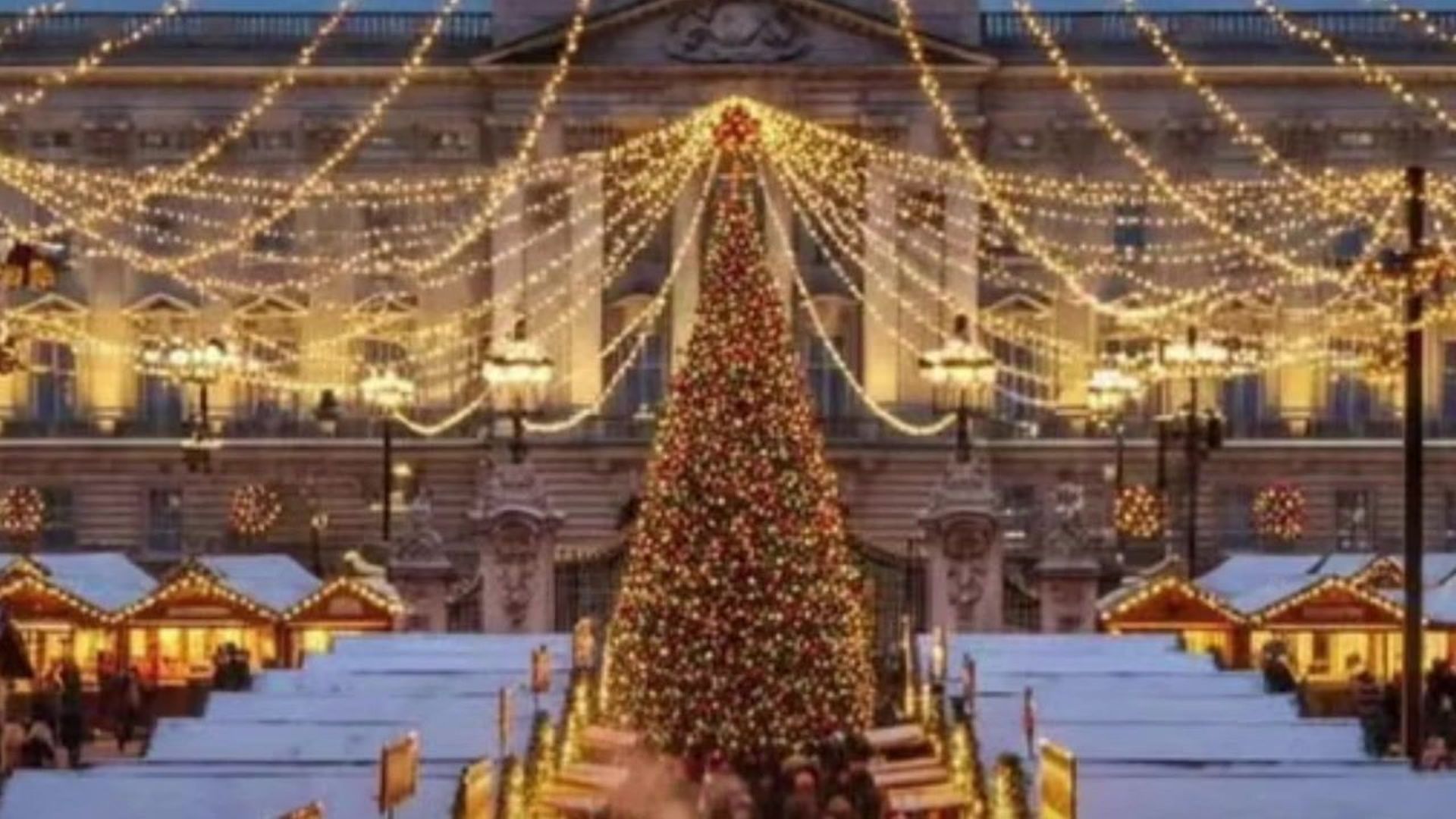
A growing number of travelers are falling victim to AI-generated travel scams, with recent incidents including misleading images of a Christmas market at a Royal Collection Trust property [[1]]. The Royal Collection Trust was forced to issue a statement after viral images prompted visits to a location that did not match the advertised winter wonderland, highlighting a risky trend of “ghost destinations” fueled by increasingly refined artificial intelligence [[2]], [[3]]. this instance underscores the need for travelers to verify details before making plans, as AI continues to blur the lines between reality adn fabrication.
The Royal Collection Trust has issued a statement debunking viral images of a festive Christmas market appearing at one of its locations. The misleading visuals prompted some tourists to visit, expecting a winter wonderland that simply didn’t exist.
“We came thinking it was true,” one visitor told reporters, echoing the disappointment of others who found only a few Christmas trees and decorations where a bustling market was advertised. The incident highlights a growing concern about the reliability of online content and the responsibility of those creating and sharing it.
The proliferation of AI-generated imagery is fueling a trend of “ghost destinations”—promotions for attractions and locations that are entirely fabricated. This phenomenon is gaining traction across online platforms, leading people to base travel plans on illusions. The rise of these digitally-created destinations underscores the increasing sophistication of AI and its potential impact on consumer behavior.
As the holiday season approaches, experts suggest a healthy dose of skepticism when planning trips based on viral visuals. While the images may be appealing, they aren’t always reflective of reality.
