
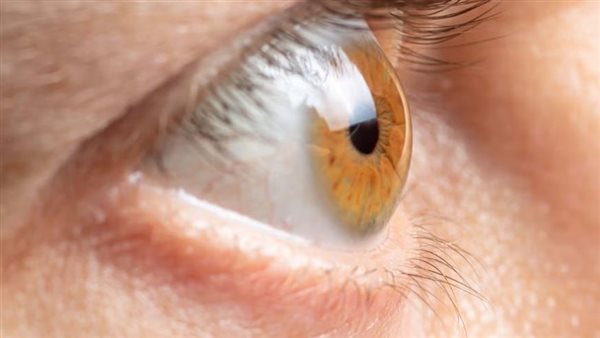
A modern study suggests artificial intelligence could revolutionize glaucoma detection, a common eye disease, significantly reducing unnecessary referrals to specialists. Early and accurate diagnosis is crucial for managing glaucoma and preventing vision loss, making this development a potentially important step forward in eye care.
Published in the journal The Lancet Primary Care, the research, conducted in Portugal, involved using an AI tool to analyze eye images from 671 individuals between the ages of 55 and 65. The technology demonstrated high accuracy, correctly identifying 78% of those with glaucoma, compared to 75% diagnosed by doctors.
the AI proved effective at ruling out the disease, accurately identifying 95% of those without glaucoma, versus 91% by doctors. Importantly, the AI tool recommended only 66 people for specialist consultation, leading to the diagnosis of 40 cases of glaucoma – a substantial difference compared to the 118 referrals made by ophthalmologists, which ultimately resulted in the same number of diagnoses.
This significant advancement points to a future where AI can streamline diagnostic processes, ensuring early detection for patients and easing the burden on specialized eye clinics.
What is Glaucoma?
Glaucoma is a group of eye diseases that damage the optic nerve, located at the back of the eye. This nerve is critical because it’s responsible for transmitting visual information from the eye to the brain.
It is more common in adults aged 50 and older and can cause vision loss if left undiagnosed and untreated, according to the National Health Service (NHS).
The most common type of glaucoma is primary open-angle glaucoma, which develops particularly slowly, sometimes over many years, and initially affects peripheral vision. It may go undetected for a long time without regular eye exams.
Other types include angle-closure glaucoma, normal-tension glaucoma, and secondary glaucoma. The latter may be caused by or associated with other eye diseases, health conditions, or medications.
The Silent Thief of Sight
Glaucoma is often called the “silent thief of sight” because it is typically painless, and in the early stages, usually affects side vision – peripheral vision – so changes often go unnoticed until the disease is advanced and significant vision damage has occurred.
Glaucoma is Treatable
When glaucoma is diagnosed, the primary goal of treatment is to lower the pressure inside the eye that is damaging the optic nerve. This can be achieved in several different ways, including with eye drops.
