
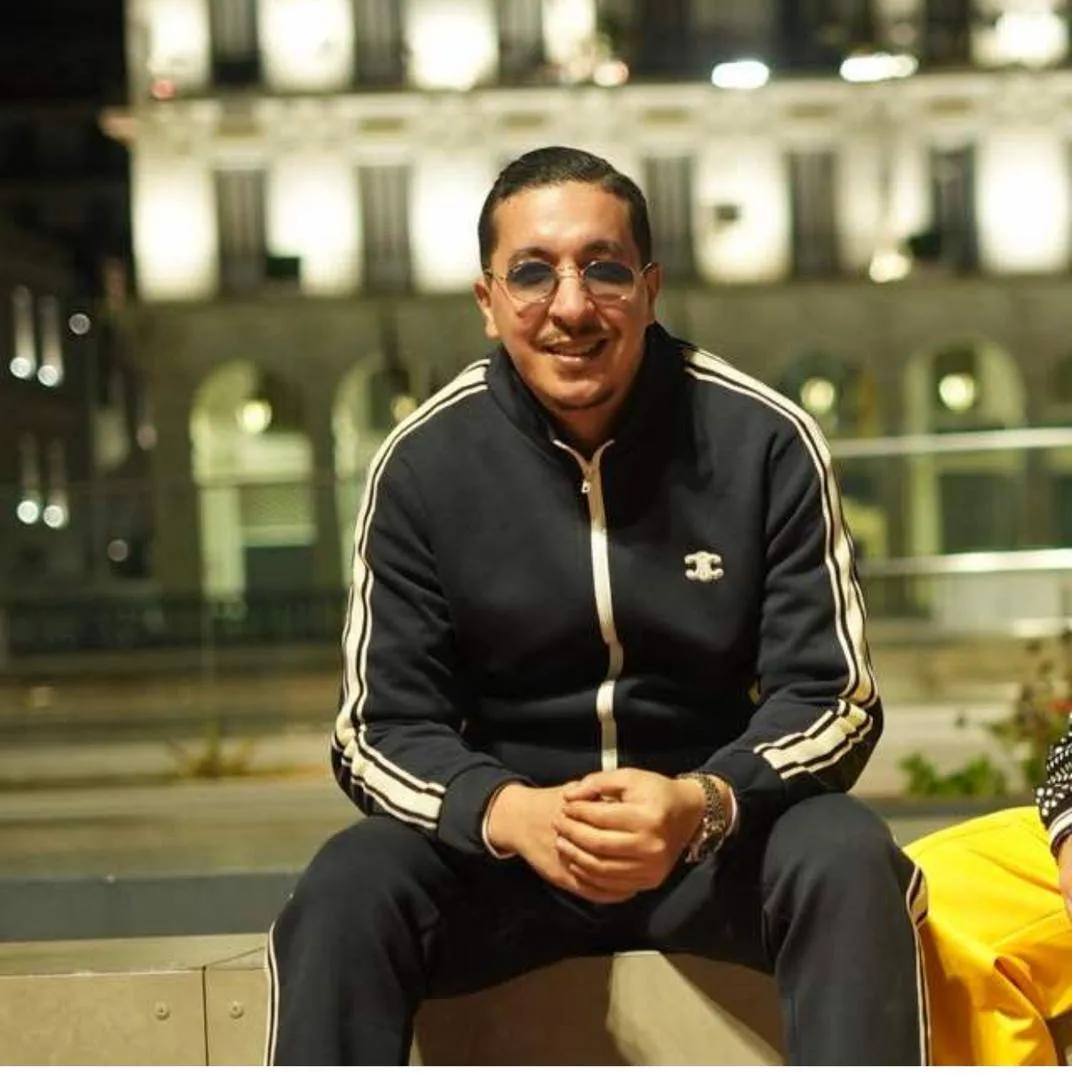
Algerian-French singer Sofiane Barrygo returned to Algeria after years living in France driven by a desire to reconnect with his homeland and contribute to Algerian “staïfi” music, he said. In a recent interview, Barrygo explained that he released his first music video in Algeria for the song “Galbi Makssoum” (“My Heart is Broken”), which he wrote and composed to reflect his feelings of migration and longing for home. He also performs “raï” music and appreciates the contributions of Algerian music icons like Cheb Khaled and Cheb Mami to the development of the genre, emphasizing that staïfi music connects him to the spirit of his ancestors and he hopes to bring it to a global audience.
Staïfi music is part of Algeria’s popular heritage and is the second most popular musical style in the country, known for its festive character. The growing popularity of Algerian music internationally reflects a broader trend of increased global interest in diverse musical traditions.
Regarding his decision to return to Algeria, Barrygo said, “I lived among the Algerian community in France, but I never lived in my country among Algerians. These are the atmospheres I have always longed for – to be among my people and family and to contribute to the field of music, especially the staïfi style that I sing. The great musicians of this style are in Algeria, so I wanted to connect with them to learn more.”
“Galbi Makssoum” is written and composed by Barrygo, and features him sitting next to a young child who hands him a letter, evoking a scene reminiscent of the iconic film “The Battle of Algiers,” which holds a special symbolic connection to the Algerian Revolution.

Barrygo spoke about the song, stating, “It expresses my state of being, with a heart divided between Algeria and France, and between two different cultures, where I am haunted by longing for my homeland. The song does not express my case specifically, but that of many Arab communities living in France, especially the generation born in France who have no memories of their country. Thank God, the song received attention from musicians who perform staïfi music in Algeria and France, which is important to me.”
Barrygo has been connected to staïfi music since childhood: “My roots go back to the eastern region of Algeria, which is associated with the staïfi style, and I felt it a lot as if it were the spiritual thread that connects me to Algeria. I became attached to it given that it brings me back to the spirit of my ancestors. This style has developed greatly and has become an art with its own place in Algeria and abroad, and I hope it reaches the world because it deserves it.”
He released his first album in France in 2006, and his second album came in 2010, titled “Berkak Ya Rassi” (“Leave Me Alone, My Head” in Algerian dialect), achieving greater fame in Algeria and among the Algerian community in France. He notes that the song “Ghrak Zohou El Hayat” (“Life Overwhelmed You”) was the most successful song on the album, and mentions that another song he recently filmed will be available soon in collaboration with an Algerian artist, titled “Zhari Of,” meaning “My Luck is Stopped.”
Barrygo combines Eastern and Western influences in his music, saying, “I am remarkably interested in this blend because I was saturated with Western music, and I also listened to Eastern songs and made sure to combine this duality. I see this blend as necessary for the development of art.”
Despite writing and composing most of his songs, he has also worked with other authors and composers, as he confirms: “I have no problem working with others. The important thing is that the words are good and the melody is suitable for the staïfi style, because art is based on participation. Currently, I am listening to the words of Algerian authors, and I have found many beautiful words that I can perform, so I seek my next steps to be well thought out.”
The Algerian singer is also interested in raï music, as he says: “I sing staïfi, but I also focus on the raï style, which is known globally. We Algerians have a strong connection to this style, so I present it in all my concerts, and I personally love raï and learned it from a young age. There are iconic names among Algerian singers, such as Cheb Khaled and Cheb Mami, who have added a lot to this music and developed it and brought it to the world, and I want to develop the staïfi style in the same way, which deserves to be heard, because its music and rhythm are unique, and Algerian music in general deserves to be heard by the whole world.”
He expresses his satisfaction with what he has achieved: “I am very pleased with the success I have achieved in France, and I am proud of this popularity among the Algerian and Maghrebi community. They know my music and performance and appreciate it, especially that segment of young people who were born and lived in France. Although my family moved to France very early on, the atmosphere of the house remained connected to Algeria, so I was saturated with Algerian culture and dialect within the house, as well as we were connected to the customs and traditions that we inherit.”
Barrygo welcomes the step of acting in cinema, which he sees as a magical and enjoyable art: “As long as a good opportunity that suits me is available, all doors are open to it.”
Regarding his listening to modern Eastern music and songs, he says: “I listen well to Eastern music and there are great names that have developed it. I am actually impressed by the Egyptian singer Amr Diab, because he always chooses the best in his music, and I find him very enjoyable in what he presents.”
