

Almonds have been crowned the world’s healthiest food in a recent global nutrition ranking, thanks to their powerful combination of anti-aging properties and blood sugar-stabilizing benefits. The recognition comes as health experts increasingly emphasize the role of diet in preventing chronic diseases and promoting longevity—making this finding particularly timely for consumers looking to make informed food choices.
The Science Behind the Superfood
Research has long highlighted almonds as a nutritional powerhouse, but new evaluations have placed them at the top of the list for their unique ability to support both metabolic health and cellular aging. Packed with healthy fats, fiber, vitamin E, magnesium, and antioxidants, almonds offer a rare blend of nutrients that work together to combat inflammation, regulate glucose levels, and protect against oxidative stress—key factors in aging and diabetes prevention.

A growing body of evidence suggests that regular almond consumption may aid lower LDL (“bad”) cholesterol, improve insulin sensitivity, and even reduce markers of inflammation linked to heart disease. These benefits align with broader public health recommendations to shift toward plant-based, nutrient-dense foods as part of a balanced diet.
Three Expert-Approved Ways to Eat Almonds for Maximum Benefits
While almonds are healthy on their own, nutritionists say how you eat them can enhance their benefits. Here are three science-backed methods to incorporate them into your daily routine:
1. Raw or Dry-Roasted as a Snack
The simplest way to enjoy almonds is in their natural state—raw or dry-roasted without added oils or salt. A slight handful (about 1 ounce or 23 almonds) provides a satisfying crunch while delivering a balanced mix of protein, fiber, and healthy fats. This portion size is ideal for curbing hunger between meals and preventing blood sugar spikes, making it a smart choice for those managing diabetes or prediabetes.
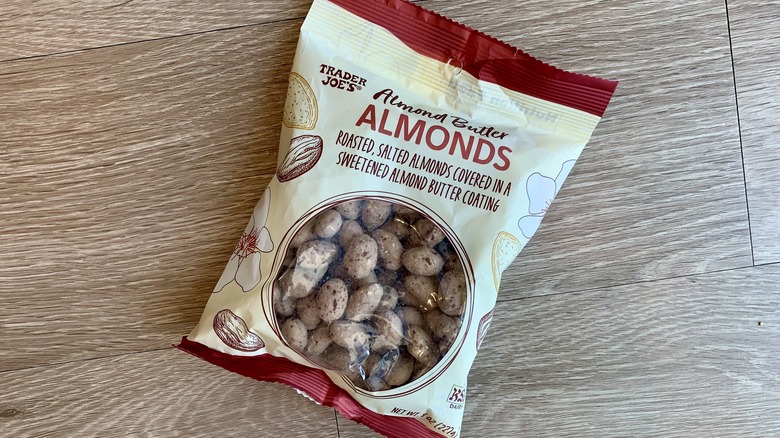
Studies have shown that eating almonds as a mid-morning or afternoon snack can help stabilize glucose levels and reduce overall calorie intake later in the day. Their high fiber content similarly supports digestive health, another critical factor in long-term wellness.
2. Almond Butter in Place of Peanut Butter
For those who prefer spreads, almond butter is a nutrient-rich alternative to traditional peanut butter. Made from ground almonds, it retains the same heart-healthy fats and vitamin E but with a slightly lower sugar content. Spread it on whole-grain toast, blend it into smoothies, or employ it as a dip for apple slices or celery sticks for a quick, energy-boosting snack.
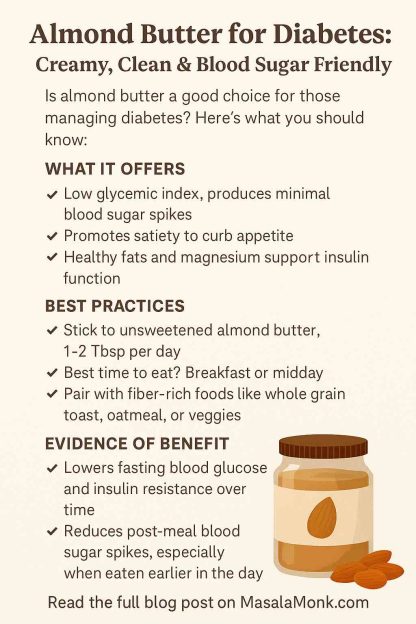
Nutritionists note that almond butter’s lower glycemic index compared to some commercial peanut butters makes it a better option for blood sugar control. Although, they caution against varieties with added sugars or hydrogenated oils, which can negate some of the health benefits.
3. Chopped Almonds as a Topping for Meals
Adding chopped almonds to meals is an straightforward way to boost both flavor and nutrition. Sprinkle them over oatmeal, yogurt, or salads to add texture and a dose of healthy fats. They also pair well with roasted vegetables, stir-fries, or even as a crust for baked fish or chicken, providing a crunchy alternative to breadcrumbs.
This method not only enhances the nutritional profile of a dish but also helps slow digestion, promoting steady blood sugar levels. For those watching their weight, the added protein and fiber can increase satiety, reducing the likelihood of overeating later.

Why This Matters for Public Health
The recognition of almonds as the world’s healthiest food underscores a broader shift in nutritional science toward foods that offer multiple health benefits. With chronic diseases like diabetes and heart disease on the rise globally, dietary choices are increasingly seen as a first line of defense. Almonds, with their proven ability to support metabolic health and slow aging, represent a simple yet effective tool for individuals looking to improve their well-being through diet.
While no single food can prevent disease, incorporating nutrient-dense options like almonds into a balanced diet can play a meaningful role in long-term health. As research continues to uncover the connections between diet and longevity, foods like almonds may become even more central to public health recommendations.
“Almonds are one of the few foods that truly check all the boxes—heart health, blood sugar control, and anti-aging benefits. They’re a perfect example of how small dietary changes can have a big impact over time.”
For those looking to make healthier choices, experts suggest starting with small, sustainable changes—like swapping processed snacks for a handful of almonds or using almond butter in place of less nutritious spreads. Over time, these adjustments can contribute to better metabolic health and a reduced risk of age-related diseases.
As the conversation around nutrition evolves, foods like almonds are likely to remain at the forefront of dietary guidelines, offering a delicious and accessible way to support overall health.
