
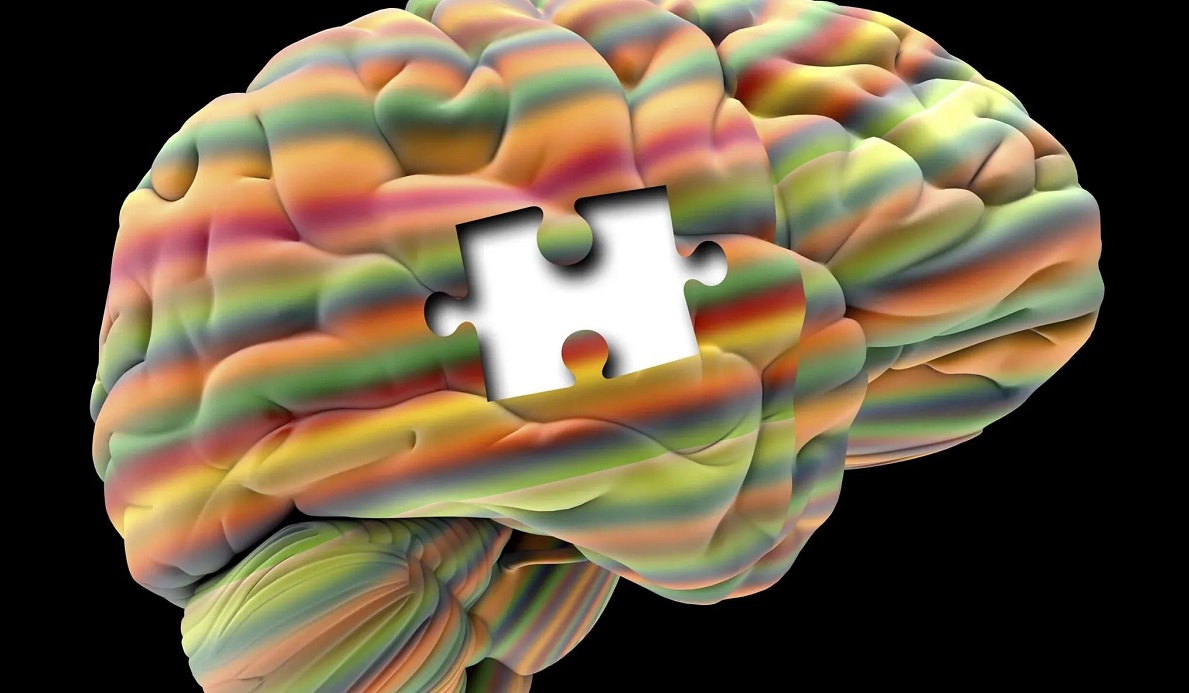
Researchers are exploring a provocative new theory regarding the origins of Alzheimer’s disease, suggesting that the earliest signs of the condition may emerge not in the brain, but in the gut. This shift in perspective focuses on the “gut-brain axis,” examining how intestinal health and the microbiome may play a critical role in the development of neurodegenerative diseases.
The Gut-Brain Connection and Neurodegeneration
New scientific inquiries are investigating whether intestinal bacteria act as an unsuspected factor in the onset of Alzheimer’s. By analyzing the relationship between the digestive system and the central nervous system, researchers are looking for promising ways to potentially slow the progression of the disease. Understanding this link is vital for public health, as it could open new avenues for early intervention and preventative care.
According to reports from up-magazine.info and La Provence, the possibility that the disease begins in the intestines is a key area of study. Similarly, Actusante.net has highlighted the role of gut bacteria as a potentially overlooked driver of neurodegenerative processes.
Identifying Early Warning Signs Outside the Brain
The search for early biomarkers is expanding beyond cognitive decline. Recent findings suggest that the first indicators of Alzheimer’s may manifest physically and behaviorally long before memory loss becomes apparent. Specifically, researchers have discovered that changes in a person’s gait—the way they walk—can serve as a precursor to the disease.
As detailed by Psychologies.com, studies reveal that these initial signs often appear outside the brain. Further research into walking patterns has not only helped in identification but has also led to new discoveries regarding potential treatment methods.
These developments underscore the importance of a holistic approach to neurology. By monitoring both physiological changes in movement and the health of the gut microbiome, medical professionals may be able to detect Alzheimer’s earlier, potentially improving the efficacy of treatments and enhancing patient quality of life.
