

Amazon to Discontinue Support for Older Kindle Models Starting May 20, 2026
Starting May 20, 2026, Amazon will no longer support a range of older Kindle e-readers and Fire tablets, effectively cutting off access to new content from the Kindle Store. The move impacts devices released in 2012 or earlier, leaving millions of users with a critical decision: upgrade, adapt, or risk losing functionality.
Which Devices Are Affected?
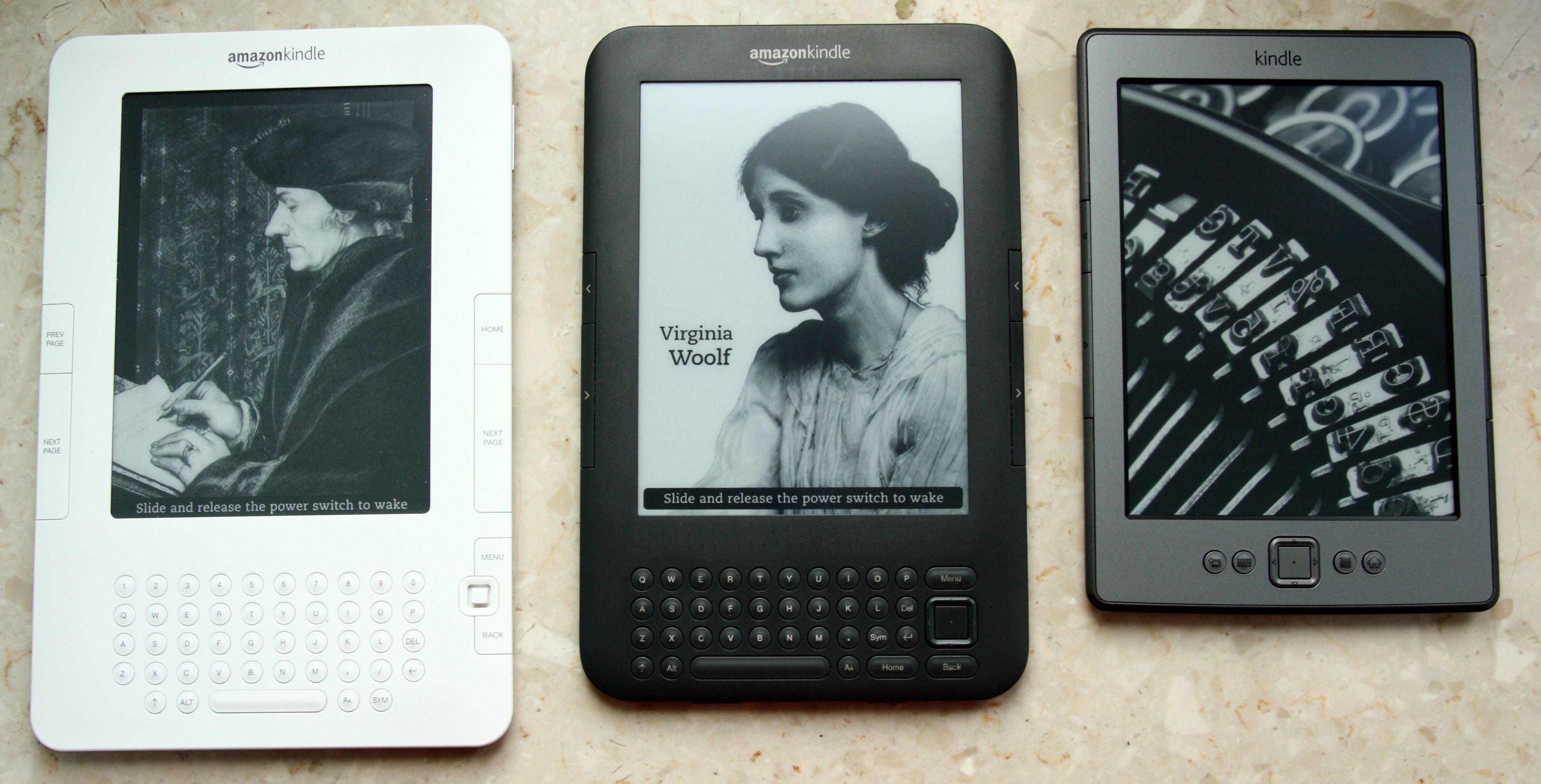
The phase-out targets a broad lineup of Kindle e-readers and Fire tablets, many of which have remained in use for over a decade. The full list of discontinued models includes:
- Kindle 1st Generation (2007)
- Kindle 2nd Generation (2009)
- Kindle DX & DX Graphite (2009–2010)
- Kindle Keyboard (2010)
- Kindle 4 & 5 (2011–2012)
- Kindle Touch (2011)
- Kindle Paperwhite 1st Generation (2012)
- Kindle Fire 1st Generation (2011)
- Kindle Fire 2nd Generation (2012)
- Kindle Fire HD 7 (2012)
- Kindle Fire HD 8.9 (2012)
Users can check their device model by navigating to Settings > Device Options > Device Info. If the model appears on this list, it will no longer support new downloads, purchases, or library loans after the cutoff date.
What Changes for Users?
While existing books already stored on these devices will remain accessible, users will lose the ability to download new content from the Kindle Store or third-party platforms like Libby and OverDrive. A factory reset could render the device unusable, as it would sever the connection to Amazon’s servers entirely.

The shift underscores a broader trend in tech: the tension between device longevity and corporate-driven obsolescence. For many, e-readers like the Kindle were marketed as durable, long-term investments—yet Amazon’s decision highlights how digital rights management (DRM) can limit hardware utility over time.
Options for Affected Users
Amazon is offering two primary incentives for users to transition away from older devices:
- A 20% discount on newer Kindle models, paired with a $20 e-book credit. This offer expires on June 20, 2026.
- A trade-in program, allowing users to exchange aged devices for store credit. However, older models may have limited resale value, and non-functional devices will be recycled through Amazon’s Recycling Program.
For those unwilling to upgrade, sideloading DRM-free e-books remains a viable workaround. Platforms like ebook.com and Smashwords offer legally purchasable content without DRM restrictions, while public-domain repositories like Standard Ebooks provide free alternatives. This method not only extends the life of older devices but similarly gives users greater control over their digital libraries.
“Technically, you don’t own the books you buy from the Kindle store. What you’re purchasing is a license to access the content—a license that can be revoked at any time.”
Why Now?
Amazon has not publicly detailed the technical rationale behind the cutoff, but industry observers note that older devices often lack the processing power and security updates needed to support modern e-book formats and cloud-based services. The move may also reflect a strategic push to migrate users toward newer, higher-margin devices like the Kindle Paperwhite Signature Edition or the Kindle Scribe.
Critics, however, argue that the decision prioritizes corporate interests over consumer rights. “This isn’t about technical limitations—it’s about manufactured obsolescence,” one user commented on a Kindle-focused forum. “Amazon could continue supporting these devices if it wanted to.”
What’s Next?
For users of affected devices, the clock is ticking. Those who rely on their Kindles for daily reading will need to decide whether to accept the limitations, explore sideloading, or take advantage of Amazon’s trade-in offers before the June 20 deadline.
The broader implications of this shift extend beyond individual users. It raises questions about the sustainability of digital ecosystems, where hardware longevity is often at odds with software updates and corporate strategy. As e-readers become more integrated with cloud services, the line between “owning” a device and merely licensing its functionality grows increasingly blurred.
For now, the message is clear: if your Kindle is on the chopping block, the time to act is now.
