
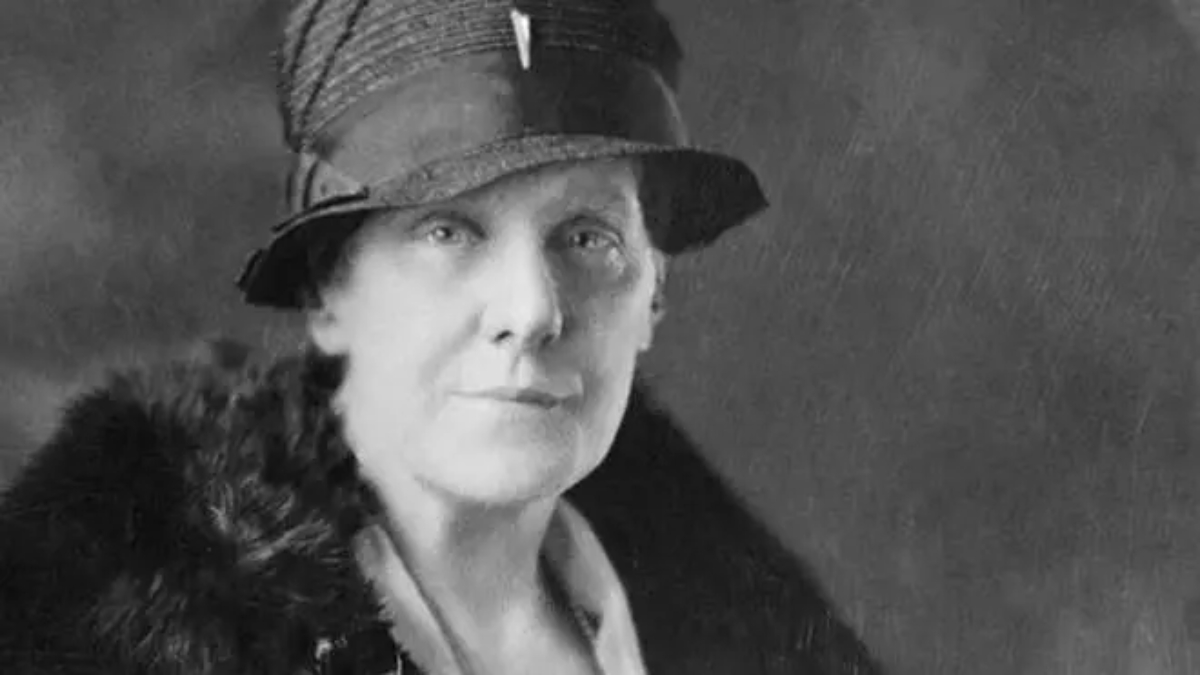
The Irony of Mother’s Day: How Its Founder Spent Years Trying to Abolish the Holiday
While millions of people worldwide celebrate Mother’s Day as a heartfelt tribute to maternal love, the woman responsible for establishing the holiday in the United States spent her final years fighting a bitter campaign to end it. The evolution of the date from a personal tribute to a global commercial powerhouse reflects a broader societal trend of transforming emotional milestones into corporate opportunities.

The holiday began as a labor of love and grief. Anna Jarvis originally conceived the celebration as a way to honor the memory of her own mother, envisioning a day of genuine gratitude and reflection. However, the purity of her vision was soon eclipsed by the very success she helped create.
As the observance grew in popularity, it attracted the attention of greeting card companies and florists. Jarvis became increasingly disgusted by what she perceived as the “commercialization” of the day, arguing that the focus had shifted from the mother-child bond to the profit margins of businesses. This frustration led Jarvis to spend her later years attempting to abolish the holiday she had spent so much effort promoting.
In the United States, the holiday is traditionally observed on the second Sunday of May. This specific timing was designed to ensure the celebration occurred during the spring, symbolizing renewal and growth. For those planning ahead, Mother’s Day 2026 will fall on May 10.
The cultural footprint of the holiday varies significantly by region. While the U.S. Follows the second Sunday of May tradition, the second Sunday of May is the standard for the U.S., but other nations have their own distinct histories. For instance, Mexico maintains differences in how the day is celebrated compared to its northern neighbor, reflecting unique cultural origins and dates.
This historical tension between the intent of the founder and the reality of the modern holiday underscores the enduring struggle to maintain sentimental value in an era of mass consumerism. Despite Anna Jarvis’s efforts to dismantle the event, Mother’s Day remains one of the most significant dates on the global calendar.
