
U.S. Stimulus Spending Continues Despite Economic Growth, Raising Debt Concerns
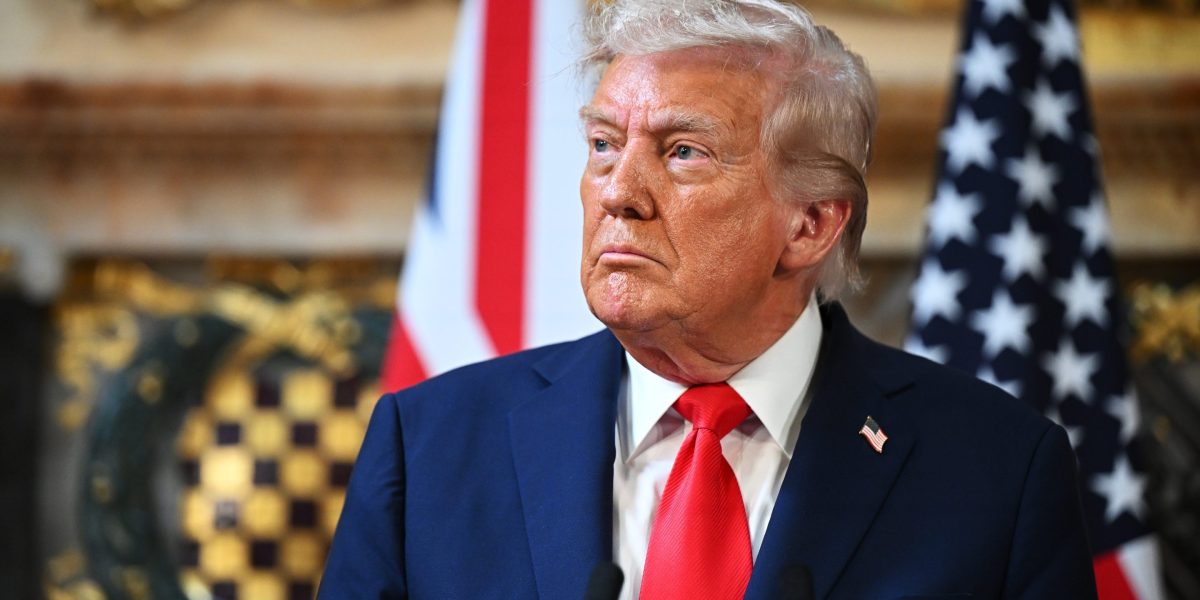
Washington is moving forward with another substantial round of economic stimulus, including President Trump’s “One Big, Beautiful Bill Act,” despite a growing economy and already record levels of national debt, sparking debate over the appropriateness of the policy.
The White House announced the $3.4 trillion package, projected by the Congressional Budget Office (CBO) and Joint Committee on Taxation (JCT) to add to the national debt, will be supplemented by potential rate cuts from the Federal Reserve, even as inflation remains above the Fed’s 2% target. Voting members of the Federal Open Market Committee have signaled openness to cuts, with Stephen Miran advocating for a 50 basis point reduction before the end of the year. This comes five years after the U.S. government approved $5 trillion in stimulus at the onset of the coronavirus pandemic, a move initially intended to prevent economic collapse.
Economists are divided on the rationale. Citadel CEO Ken Griffin recently warned that the policies are creating a “sugar high” in the markets, unsuitable for a period of near full employment. However, Moody’s chief economist Mark Zandi notes that while national employment figures remain strong, 23 U.S. states are currently experiencing economic contraction, with 12 more “treading water.” “The way people perceive their own economy…are very consistent with the recession—the difference here is they’re not losing jobs,” Zandi told Fortune. He believes the White House is primarily focused on bolstering sentiment ahead of next year’s midterm elections, while the Fed is prioritizing job market stability and avoiding a recession that could threaten its independence. The national debt is now approaching $38 trillion, a figure that could limit the government’s ability to respond to future economic crises.
Macquarie’s chief economist, David Doyle, cautioned that continued stimulus could lead to overheating in 2026 and potentially necessitate rate hikes. He highlighted a disconnect between unemployment rates and the federal deficit, noting that the deficit has grown at a faster rate than historically correlated with unemployment levels since 2018. This trend raises concerns about the long-term sustainability of U.S. debt, which is projected to reach 156% of GDP by 2055, according to the CBO. You can learn more about the Congressional Budget Office and its projections on their official website. The current situation underscores the complexities of managing a large national debt and the potential trade-offs between short-term economic gains and long-term fiscal stability, as explained in this Brookings Institution analysis.
Officials stated they will continue to monitor economic indicators and adjust policy as needed, emphasizing the importance of maintaining economic growth while addressing long-term fiscal challenges.
