
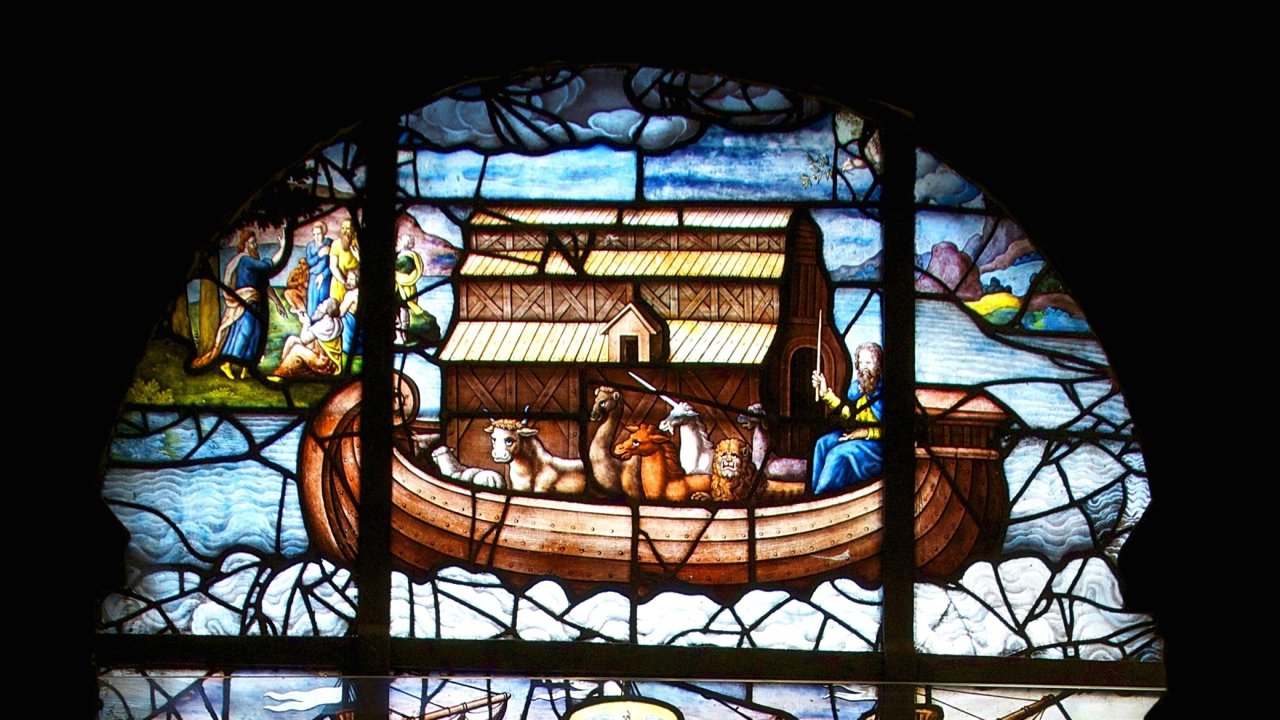
Recent discoveries near Mount Agri in eastern Turkey have reignited global interest in the long-standing debate over the possible location of Noah’s Ark.
Archaeologists have uncovered pottery fragments and other artifacts at a site traditionally associated with the biblical vessel, suggesting human settlement in the area thousands of years ago. The findings, reported by multiple regional outlets, include ancient ceramic pieces that experts say could indicate sustained habitation near the mountain’s slopes.
researchers have pointed to the existence of underground tunnels in the region, speculating that these passages might offer further evidence supporting historical accounts of the Ark’s resting place. Some have also highlighted a distinctive geological formation on Mount Ararat—locally known as Agri—that resembles the shape of a large vessel when viewed from certain angles, prompting renewed calls for investigation.
While no definitive proof has been presented, the combination of archaeological finds and topographical features continues to fuel scholarly and public discussion. The site remains a focal point for those exploring the intersection of ancient texts, archaeology, and geology.
The ongoing debate underscores how narratives from religious traditions can inspire modern scientific inquiry, particularly in regions where history and faith are deeply intertwined with the landscape.
