
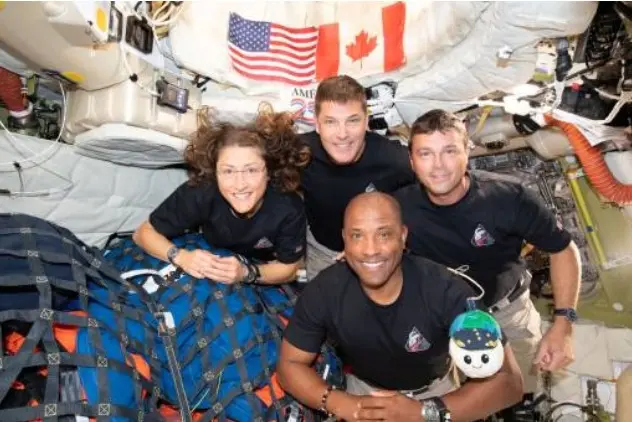
NASA’s Artemis II mission has successfully returned its crew to Earth, marking a historic milestone in the effort to bring humans back to the lunar vicinity. The mission, which saw astronauts circle the moon, has provided critical data on the physical toll of deep-space travel and the operational complexities of long-duration lunar flybys.
The Physical Aftermath of Lunar Travel
While the mission was a technical triumph, the biological impact on the crew remains a primary focus for medical teams. Experts highlight the significant challenges regarding astronaut health following the journey, specifically noting that “bone recovery takes between one and three years.” This long-term physiological recovery period underscores the intensity of the environment encountered during the Artemis II mission and the ongoing require for advanced countermeasures in space medicine.
Mission Highlights and Unconventional Cargo
Beyond the scientific objectives, the mission was characterized by a mix of high-tech engineering and human touches. Reports indicate that the crew carried various curiosities aboard, ranging from a plush astronaut toy to items that sparked discussions regarding the role of advertising in space exploration. These details provide a glimpse into the human element of the Artemis II Lunar Flyby.

The mission’s conclusion was captured in a compelling video documenting the precise moment the capsule was opened upon its return to Earth, signaling the safe recovery of the astronauts after their record-breaking journey.
Key Takeaways for Future Exploration
The Artemis II Journey to the Moon has left a legacy of five primary lessons that will shape the future of lunar exploration. These insights are essential as NASA and its partners refine the technology and protocols required for sustainable human presence on the Moon.
As the world reflects on the record-breaking NASA mission, the data gathered regarding crew health and spacecraft performance will be instrumental in preparing for the next phase of lunar landings.
