
Chilean Study Finds Artificial Sweeteners May Cause Inheritable Genetic and Metabolic Changes
A study conducted by scientists in Chile has revealed that the consumption of artificial sweeteners, such as sucralose, may lead to metabolic alterations that can be passed down to future generations. The research suggests that the biological impact of these sugar substitutes extends beyond the individual consumer, potentially affecting the genetics of their offspring.

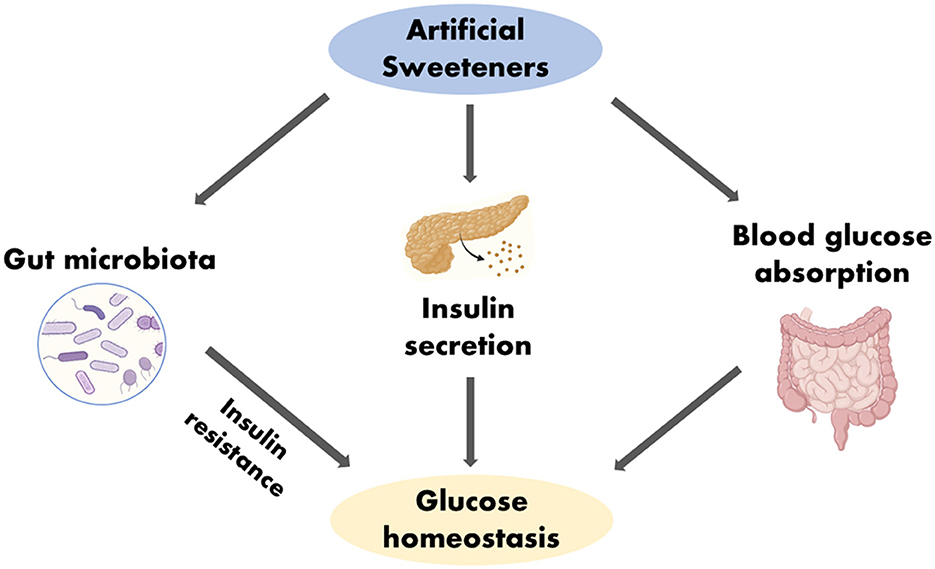
The study, which was performed on mice, warns that the use of artificial sweeteners can trigger inheritable genetic changes. Researchers found that these substances can disrupt the intestinal microbiota and alter metabolic functions, with these effects persisting for up to two generations.
According to the findings, sweeteners like sucralose can alter metabolism in a way that may impact the health of children. This link between synthetic sweeteners and alterations in the gut microbiota and metabolism highlights a complex interaction between diet and genetic expression.
The Chilean study reveals that these effects could specifically target the genetics of the consumers’ children, raising questions about the long-term safety of common sugar substitutes. These results underscore the importance of evaluating how non-nutritive sweeteners affect overall wellness and the potential risks they pose to future generations.
As the public continues to seek alternatives to sugar, experts are now examining the best options for sweetening to avoid these genetic and metabolic pitfalls.
