
U.S. Dollar Volatility Persists Amid U.S.-Iran Port Blockades and Diplomatic Friction
The U.S. Dollar remained largely stable on April 14, 2026, as global investors attempted to balance the geopolitical risks surrounding a U.S. Blockade of Iranian ports against the potential outcomes of ongoing diplomatic discussions. According to reports from Tokyo, the currency’s stability reflects a market caught between escalating tensions and the hope for a negotiated resolution.
Market reactions have been fragmented, reflecting the high level of uncertainty. While some data indicates that the dollar remained stable amid the blockade of Iranian ports and continuing talks, other movements suggest a more volatile trend. For instance, the currency saw declines during periods where investors showed an increased appetite for risk.
Conversely, the dollar has faced upward pressure in direct response to deteriorating relations. The greenback rose as a safe-haven asset as tensions between Washington and Tehran escalated. This volatility was further compounded by reports from Reuters indicating that the dollar climbed following the failure of peace talks between the two nations.
The ongoing instability has led some market observers to question the long-term impact of such conflicts on the dollar’s global dominance. Discussions have emerged regarding whether a full-scale war with Iran could potentially signal a decline in the dollar’s hegemony.
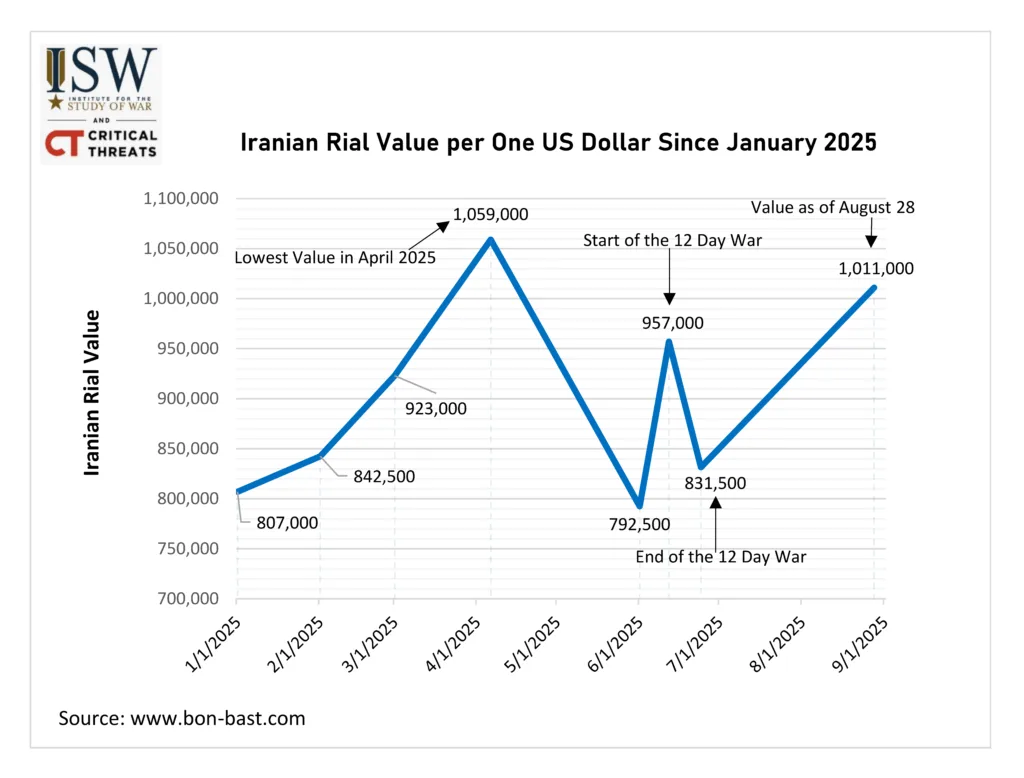
In terms of direct currency valuation, the exchange rate for the Iranian Rial (IRR) remains significantly depressed. As of the latest market data, 1 USD is valued at 1,313,420 IRR. This extreme valuation underscores the severe economic pressure on the Iranian currency amidst the current geopolitical climate.
The divergent market signals—ranging from stability to sharp increases—highlight the sensitivity of global currencies to sudden shifts in U.S. Foreign policy and the unpredictable nature of diplomatic negotiations in the region.
