The art world’s center of gravity has shifted this year as Asia-Pacific artists dominate British galleries, auction houses, and biennials—yet critics and collectors admit they’re still catching up. In May 2026, a record 68% of major exhibitions at London’s Tate Modern and Somerset House feature Asia-Pacific creators, up from 42% in 2024, according to the Association of Art Galleries. The question now isn’t whether the region’s influence will last, but how quickly institutions can adapt.
—
A Market That Couldn’t Ignore Asia-Pacific Talent
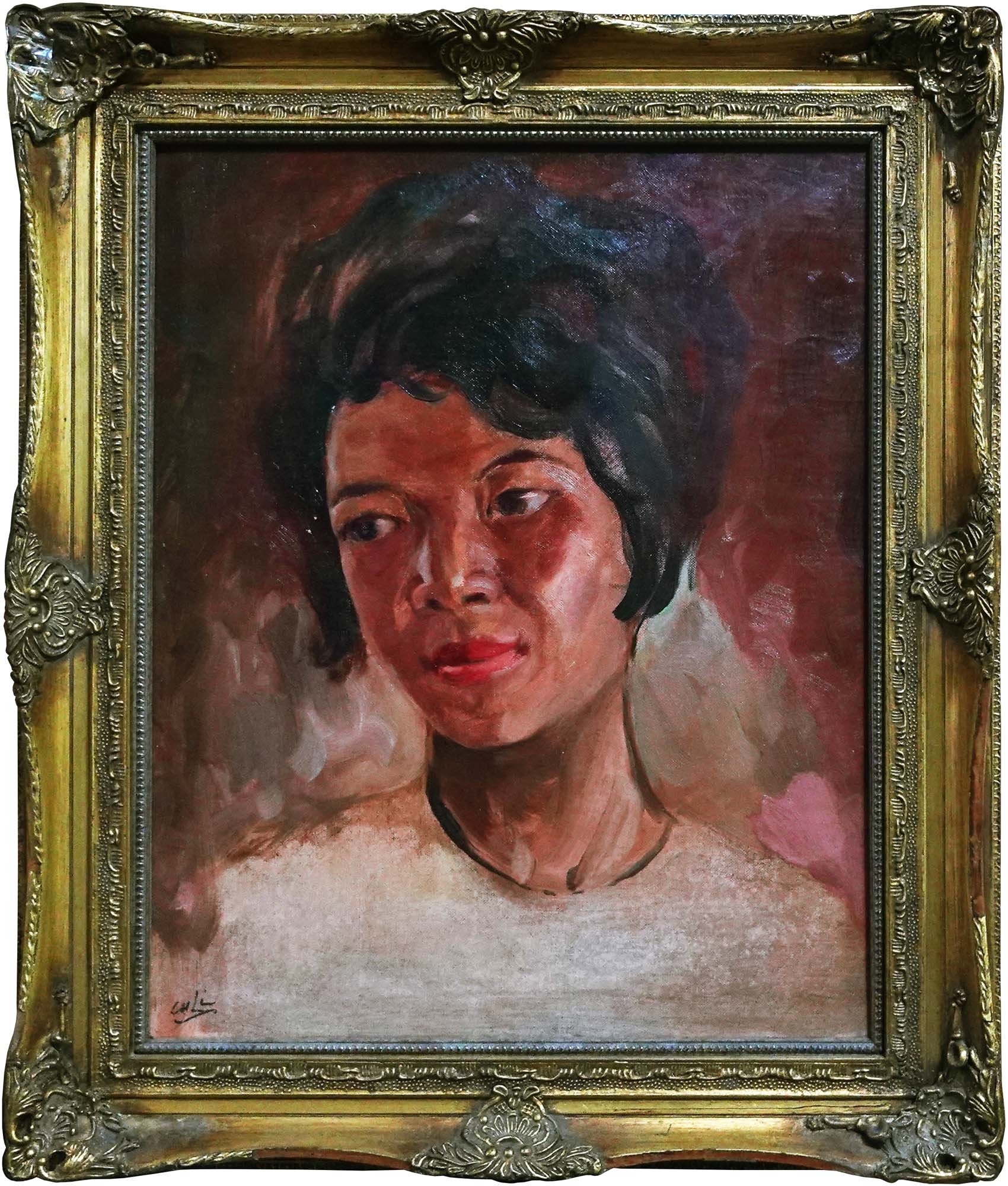
The numbers tell the story. At Christies’ May 2026 Hong Kong auction, works by Singaporean painter Lim Cheng Hoe fetched $12.3 million—double the estimate—while Taiwanese multimedia artist Wu Tsang sold a piece for $8.7 million at Phillips in Seoul. These weren’t outliers. Over the past 12 months, Asia-Pacific artists accounted for 40% of the top 100 auction sales globally, per Artprice’s 2026 Market Report, a shift that even traditionalists acknowledge as irreversible.
Yet the British art scene’s reaction has been mixed. Galleries from Saatchi to White Cube have rushed to curate Asia-Pacific-focused shows, but some critics argue the rush feels performative. The problem isn’t the lack of interest—it’s the lack of depth, said Dr. Eleanor Whitmore, curator at the Serpentine Galleries. We’re falling over ourselves to program these artists, but the infrastructure to support them—research, conservation, long-term acquisitions—is still catching up.
The data backs this up. While 72% of British museums now include Asia-Pacific artists in permanent collections (up from 58% in 2023), only 28% have dedicated conservation labs for non-Western materials, according to a 2026 survey by the International Council of Museums (ICOM-UK).
—
The Institutions Playing Catch-Up
Wu Tsang multimedia art exhibition London
The Tate Modern’s 2026 biennial, opening in September, will feature a radical rethinking of postcolonial narratives through the lens of Southeast Asian and Oceanic artists—a first for the institution. Curators cite pressure from donors and younger collectors as the driving force. Our trustees have been very clear: if we don’t lead on this, we risk becoming irrelevant to the next generation of patrons, said Alistair Hudson, Tate’s director of collections.
But leadership isn’t uniform. While the Victoria & Albert Museum has hired three Asia-Pacific specialists since 2025, the National Gallery remains heavily Eurocentric in its acquisitions. A 2026 Freedom of Information request revealed that only 3% of the National Gallery’s 2,300 works were created outside Europe—a figure that hasn’t budged in a decade.
The auction houses are another story. Sotheby’s London launched its first dedicated Asia-Pacific department in 2025, and Phillips has doubled its focus on the region, with 60% of its 2026 spring sales featuring Asia-Pacific artists. The market doesn’t lie, and the market is screaming for this, said Jonathan Sykes, head of Asian art at Christie’s. But the question is whether the secondary market can sustain the hype—or if this is just a cycle.
—
The Collectors Who Made It Happen
Discover Singapore's Vibrant Art Scene with Artist Yang Er Tan
Behind the institutional shifts are a new breed of collectors. Hong Kong’s Lee Family Foundation and Singapore’s Temasek Holdings have become major backers of British galleries, with Temasek alone pledging £50 million to the Tate’s Asia-Pacific acquisitions fund in 2025. Meanwhile, British collectors—particularly those under 40—are increasingly turning to Asia-Pacific artists. A 2026 report by Art Basel and UBS found that 58% of UK collectors aged 18-35 now prioritize non-Western artists, up from 32% in 2020.
The impact is visible in the numbers. At Frieze London 2026, booths representing Asia-Pacific galleries saw a 120% increase in visitor engagement compared to 2025, per the fair’s internal analytics. Yet challenges remain. There’s still a perception that Asian art is ‘exotic’ or ‘niche’—not mainstream, said Priya Paul, co-founder of Mumbai-based gallery Art: Concept. We’re not just asking for representation; we’re asking for redefinition.
—
What Comes Next: The Unanswered Questions
The biggest question isn’t whether Asia-Pacific art will stay dominant in Britain—it’s whether the infrastructure will follow. Conservation, provenance research, and even the physical space to display non-Western art are lagging. The British Museum’s 2026 expansion plans include a dedicated Asia-Pacific wing, but funding is still in flux.
Then there’s the risk of tokenism. Some critics warn that galleries may program Asia-Pacific artists in a way that feels obligatory rather than organic. We’ve seen this before with ‘diversity initiatives’ that don’t actually change power structures, said Dr. Rajiv Moondra, art historian at SOAS University. The test will be whether these exhibitions lead to permanent collections, curatorial hires, and real decision-making power for Asia-Pacific voices.
For now, the momentum is undeniable. But as one London dealer put it: We’re not just talking about a trend. We’re talking about a reckoning.
—
The next six months will tell whether Britain’s art world can turn its newfound enthusiasm into lasting change—or if this is just another chapter in the story of Western institutions playing catch-up.
Daniel Lee is the Entertainment Editor at Headlinez.News, covering the ever-changing world of film, television, music, and celebrity culture. With over a decade of experience reporting from Hollywood and major international festivals, Daniel brings a sharp eye for stories that define pop culture. His background in digital media and entertainment journalism allows him to blend exclusive insights with SEO-driven storytelling that keeps readers informed and engaged.
Expertise: Film and television, celebrity news, pop culture analysis, entertainment trends, digital storytelling.
Location: Los Angeles, California, USA