

ASUS Evolves the Mini-PC Form Factor with the NUC 16 Pro
ASUS is redefining the architectural standards of the mini-PC with the introduction of the NUC 16 Pro. In a significant departure from the brand’s legacy, the new device abandons the traditional square chassis in favor of a rectangular design, a move aimed at optimizing internal efficiency and thermal performance.
The shift in geometry is not merely aesthetic; it is a strategic response to the requirements of next-generation silicon. By extending the footprint, ASUS has created more headroom for cooling solutions and internal layout optimizations, ensuring that the compact system can handle higher workloads without compromising stability. This transition signals a broader evolution in how ultra-compact computing is engineered to meet modern performance demands.
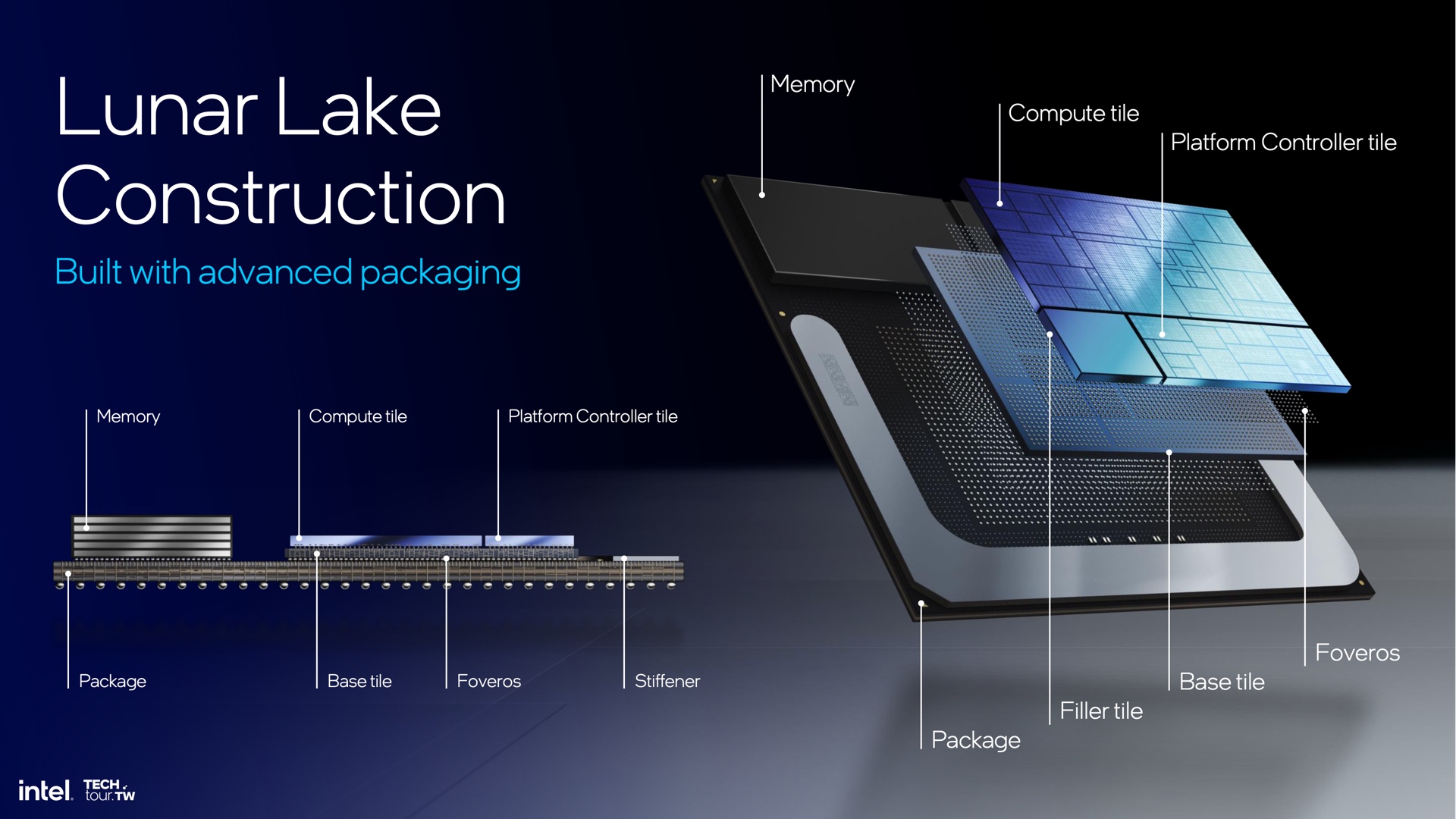
At the heart of the NUC 16 Pro is the Intel Core Ultra Series 2 processor, based on the Lunar Lake architecture. This hardware integration brings a dedicated Neural Processing Unit (NPU) to the mini-PC, positioning the device as an AI-ready workstation capable of handling local AI acceleration tasks. The inclusion of these AI-optimized cores highlights the industry’s continued investment in edge computing and on-device intelligence.
To complement the processing power, the NUC 16 Pro utilizes LPDDR5x memory. In line with the architecture of the Lunar Lake chips, the RAM is integrated directly into the package, which enhances data transfer speeds and power efficiency, though it removes the possibility of traditional user upgrades. Storage remains flexible, with support for high-speed M.2 SSDs to ensure rapid boot times and data access.
The updated design also allows for a refined array of connectivity options, maintaining the versatility that has long defined the NUC line. The device continues to support high-speed peripherals and multiple display outputs, ensuring it remains a viable centerpiece for both professional office environments and advanced home setups.
This product launch marks another milestone in the transition of the NUC ecosystem from Intel to ASUS. By iterating on the physical form factor and embracing AI-centric hardware, ASUS is not simply maintaining the NUC legacy but actively reshaping it for a new era of computing.
