
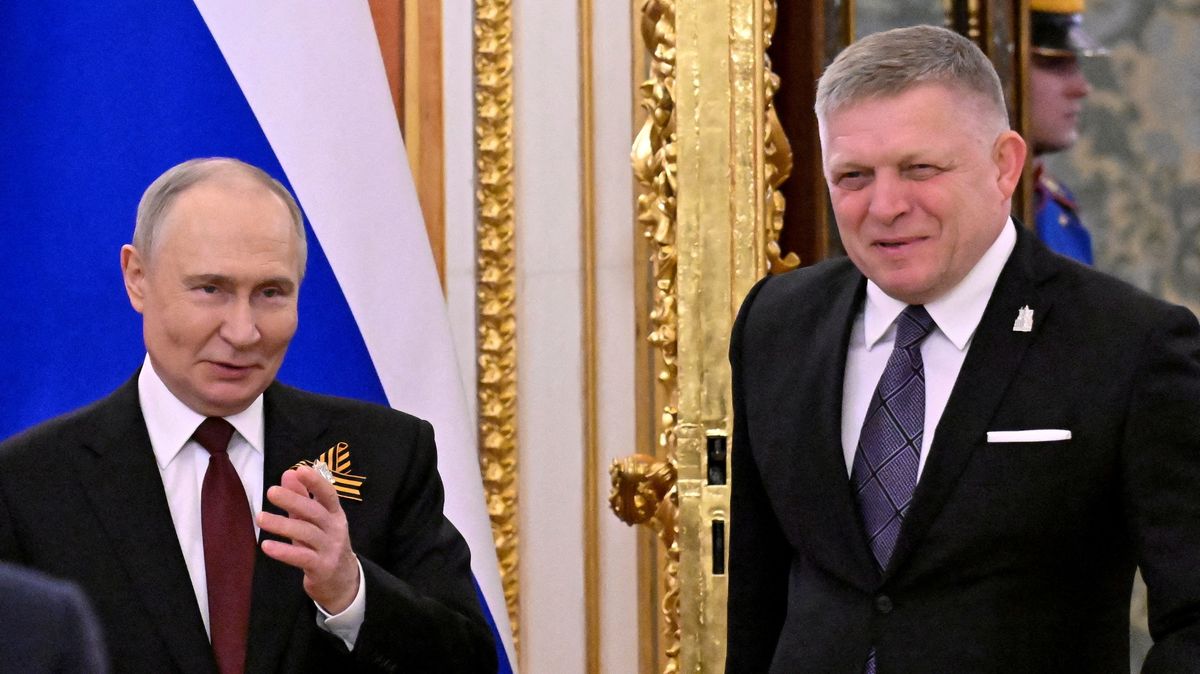
Slovak Prime Minister Robert Fico is set to travel to Moscow via a detour route after Baltic states denied his aircraft permission to fly through their airspace. The decision comes amid heightened regional tensions and follows Slovakia’s recent shift in foreign policy under Fico’s leadership, which has included closer engagement with Russia and criticism of Western sanctions. According to flight tracking data and government sources, Fico’s planned direct flight to Moscow was blocked by Estonia, Latvia, and Lithuania, all of which have restricted Russian government-linked flights since the invasion of Ukraine in 2022. Although Fico is not flying on a Russian state aircraft, officials in the Baltics confirmed that the denial applied to his official government jet due to concerns over the symbolic and political implications of the visit. Fico’s office confirmed the trip will proceed but will require a longer route, likely flying south over Central Europe and the Balkans before turning east toward Moscow. The detour adds several hours to the journey but does not prevent the visit from taking place. The Slovak government has not disclosed the exact purpose of the trip, though Fico has previously expressed support for renewed dialogue with Moscow and criticized NATO’s eastern flank buildup. His upcoming visit marks one of the highest-level engagements between a NATO member state leader and Russian officials since the full-scale invasion began. Observers note that the Baltic states’ refusal to grant overflight rights underscores the growing divide within the EU and NATO over how to engage with Russia, even as diplomatic channels remain open in certain quarters. While some Western allies advocate for isolation, others, including factions within Slovakia’s ruling coalition, argue for maintaining communication to manage risks and explore de-escalation pathways. Fico’s travel plans have drawn criticism from opposition parties in Slovakia, who accuse him of undermining NATO unity and legitimizing the Kremlin’s wartime actions. Supporters, however, frame the trip as a pragmatic effort to preserve diplomatic channels amid a prolonged conflict. The detour highlights how geopolitical friction is increasingly influencing routine state travel, even for leaders seeking dialogue rather than confrontation. As of now, no official agenda for the Moscow meetings has been released, and the Kremlin has not confirmed specific details about the visit’s timing or participants.
Baltics Deny Fico Overflight to Moscow
20

previous post