
Interest Rate Changes to Impact Millions of UK Households
Changes to interest rates will affect a wide range of individuals and the national economy, with implications for mortgages, savings, and government debt.
Homeowners with variable or tracker mortgages, as well as those seeking new fixed-rate deals, will see adjustments to their monthly repayments. Higher rates generally make it more challenging for first-time buyers to enter the property market due to increased borrowing costs. Conversely, individuals with savings are likely to benefit from improved returns as interest rates rise, while lower rates typically result in diminished savings yields.
Those nearing retirement may also experience a positive impact, potentially securing better annuity rates – determining the guaranteed income received from pension pots. However, the government has faced increased costs related to national debt due to recent rate hikes, a factor potentially influencing upcoming fiscal decisions; learn more about HM Treasury and its role in managing the national finances.
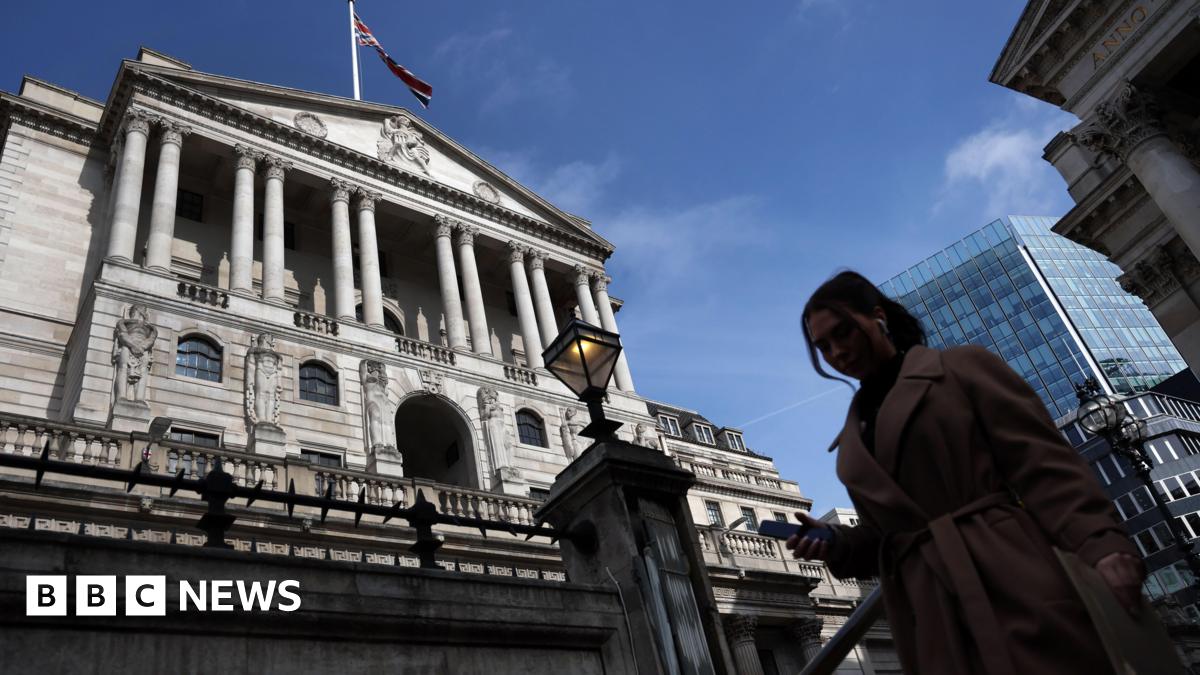
The potential for increased taxes was recently highlighted with speculation surrounding Chancellor Rachel Reeves’ upcoming Budget on November 26th, as the government seeks to address the rising cost of borrowing. This comes as the Bank of England continues to navigate a complex economic landscape, as detailed in their latest Monetary Policy Report.
Officials indicated that further assessments will be made in the coming weeks to determine the appropriate course of action regarding interest rates.
