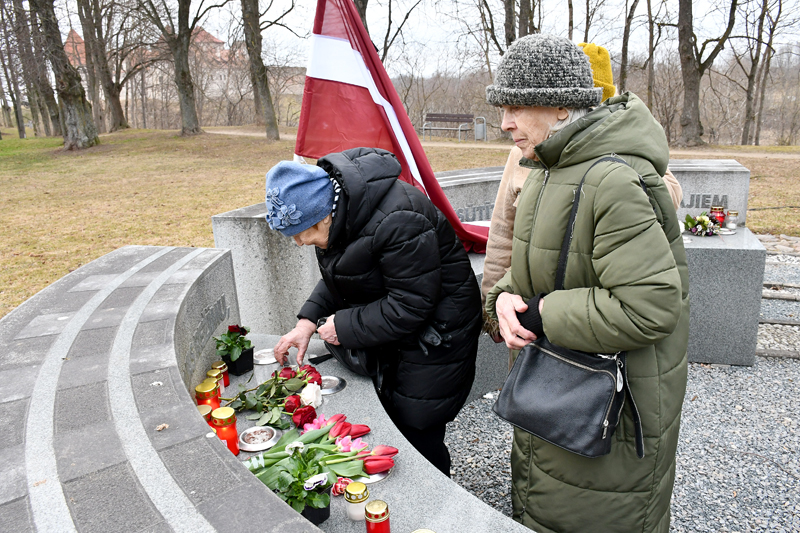
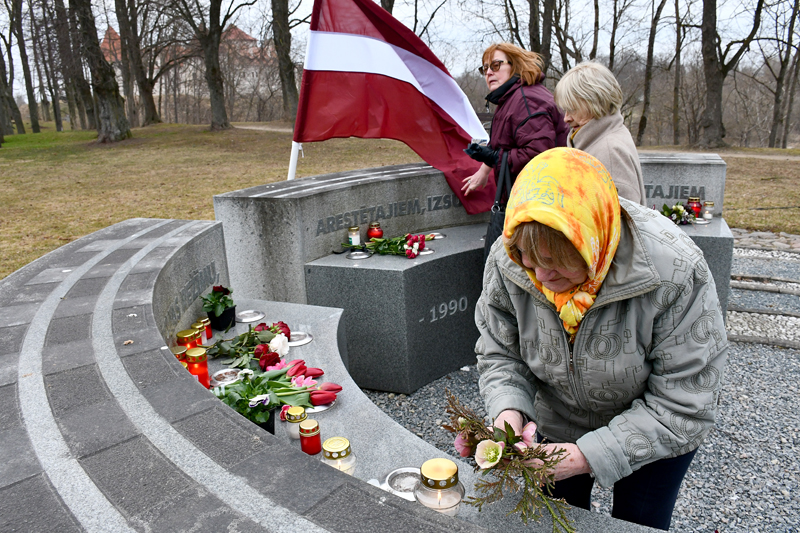
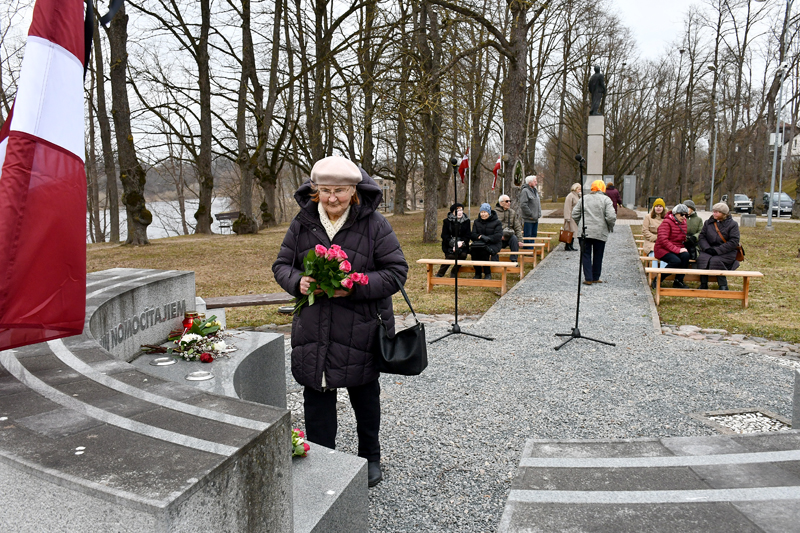
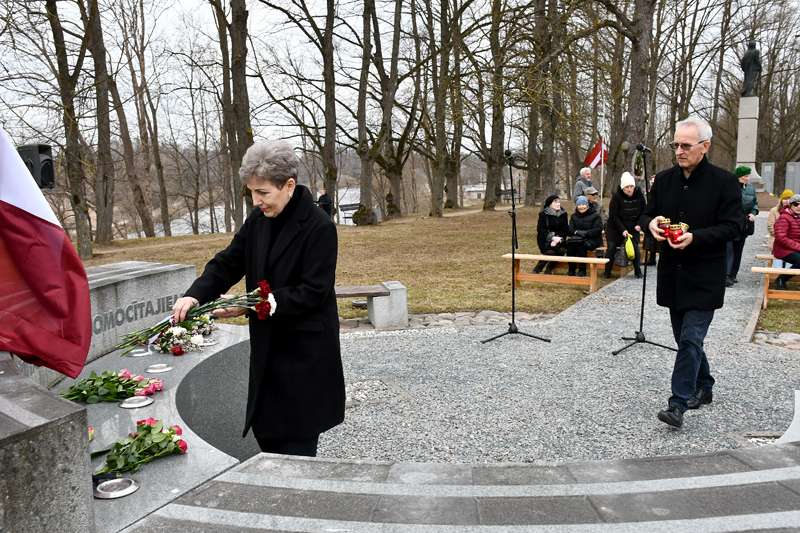
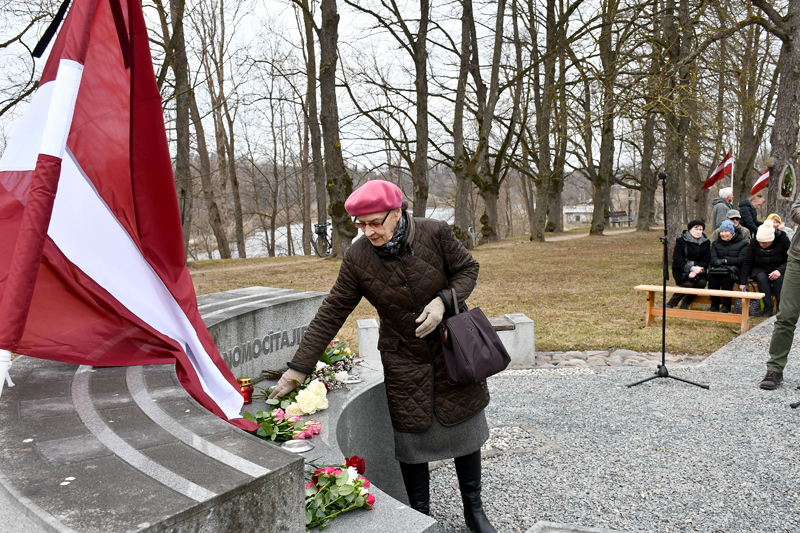
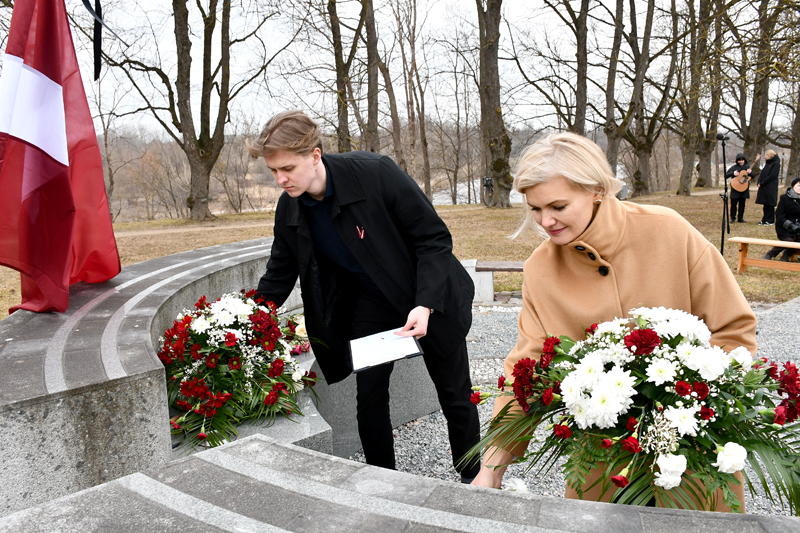
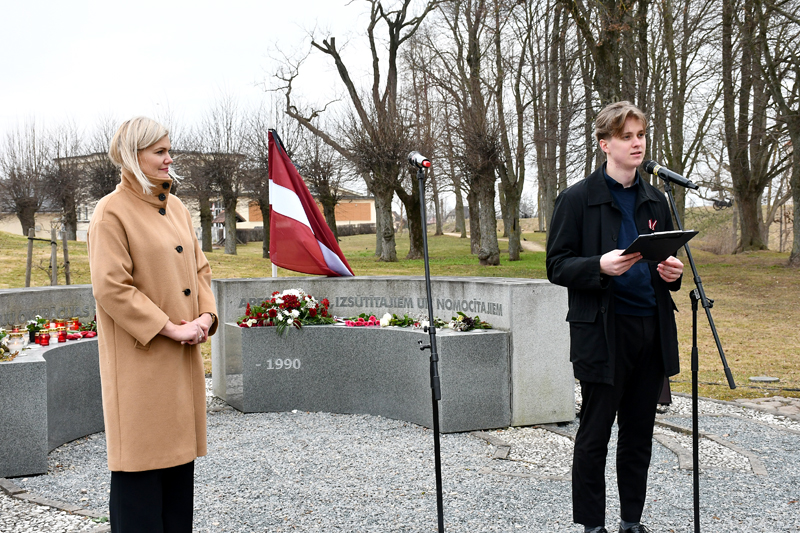
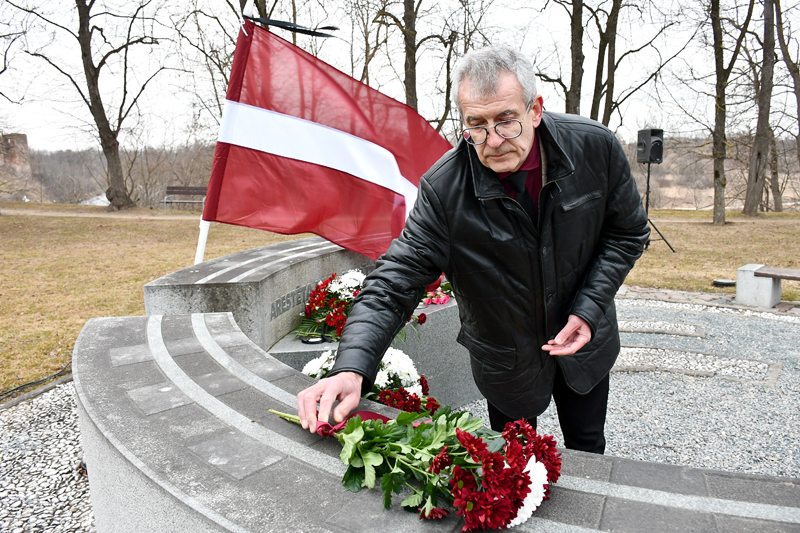
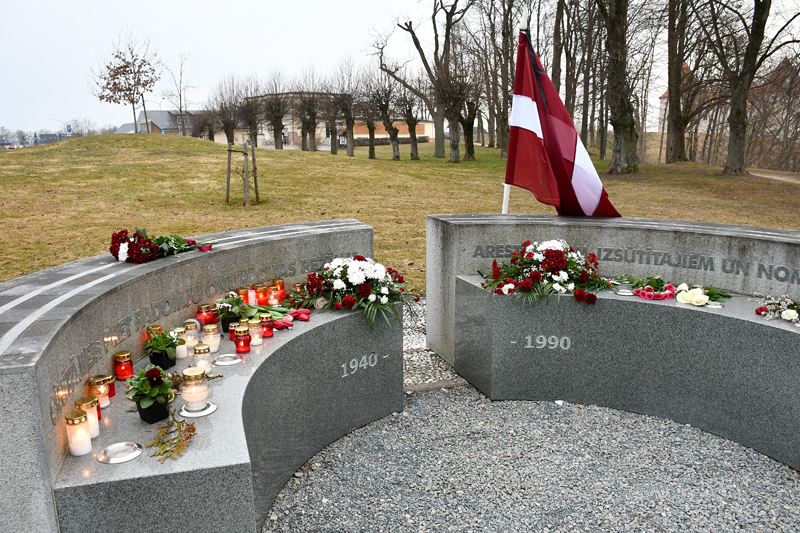
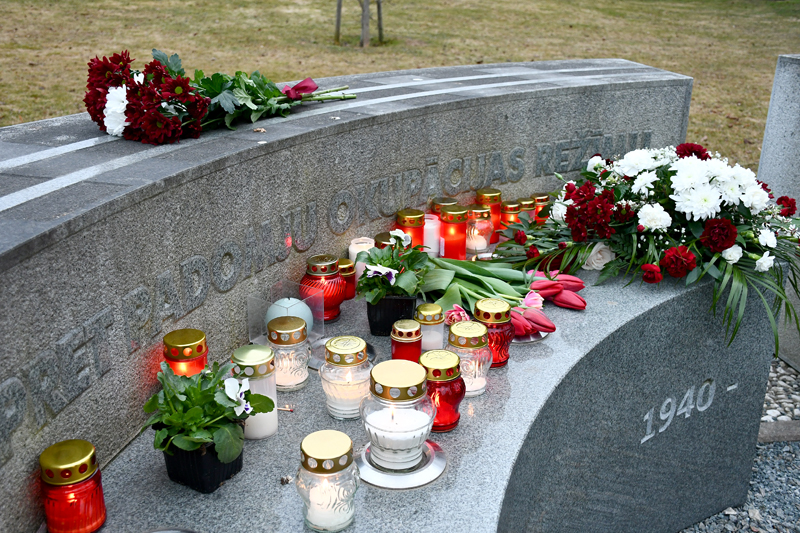
A somber mood settled over Bauska, Latvia, on the evening of March 25, 2026, as residents gathered to commemorate the victims of communist repression. The event, held at a local monument, serves as a yearly reminder of a dark period in Latvian history and the enduring impact of Soviet rule.
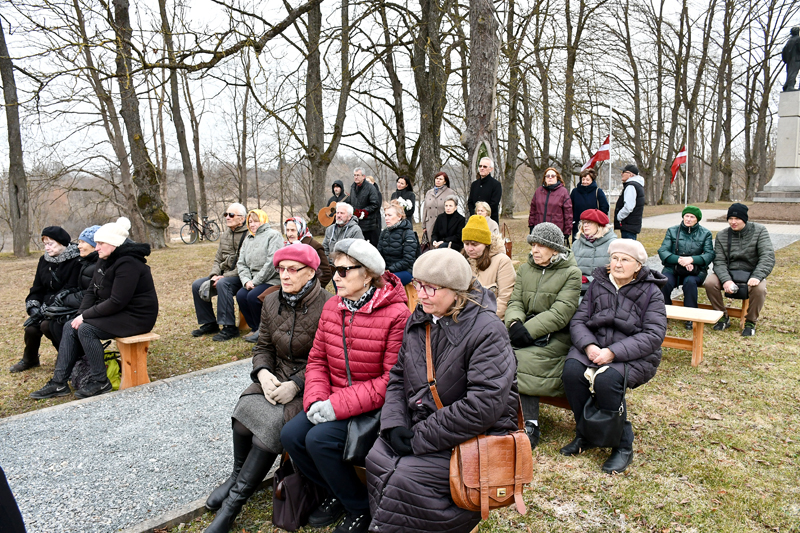
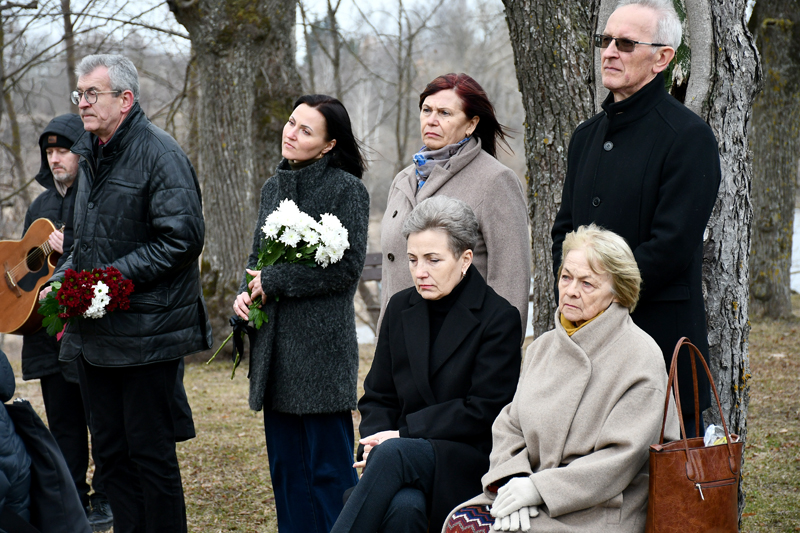
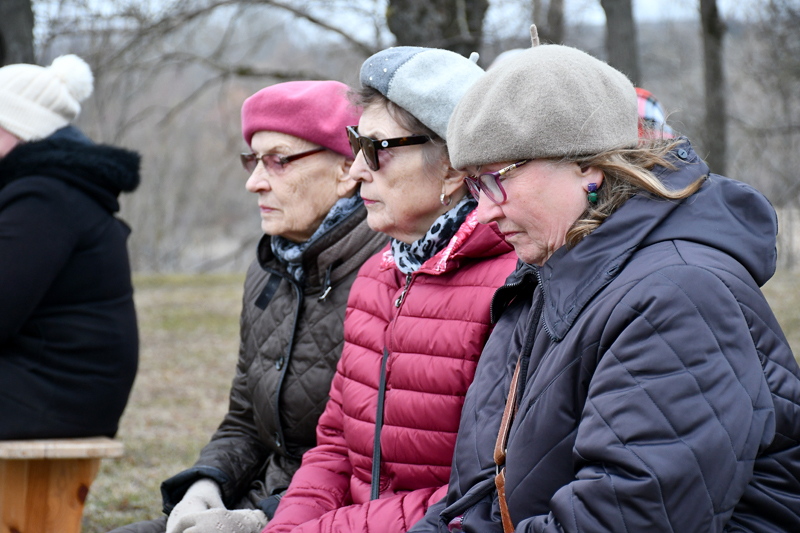
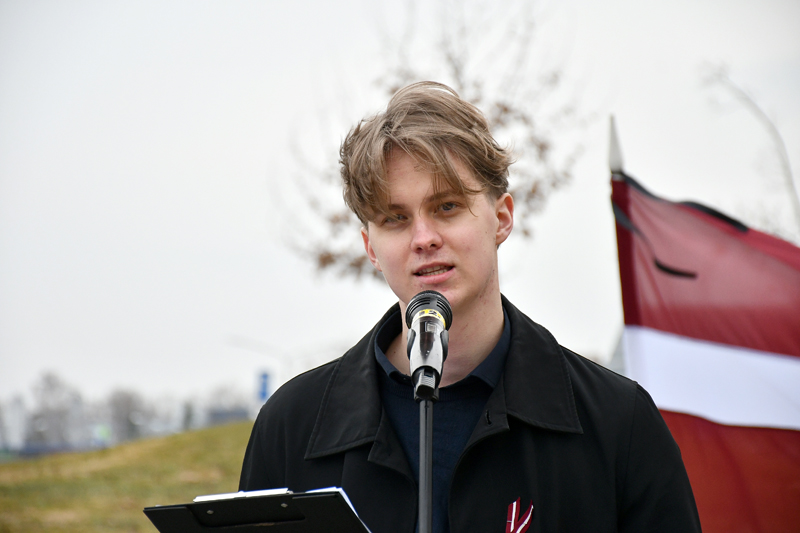
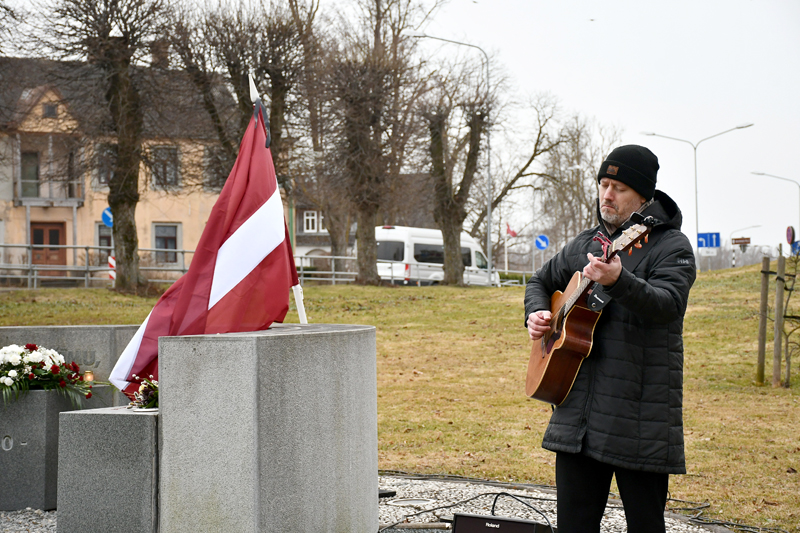
Approximately 40 people attended the memorial, braving windy conditions that whipped the Latvian flag and a black ribbon attached to it. The gathering included many who personally remember the era and its consequences. Candles placed at the monument were moved to a sheltered location to protect them from the wind.
Jānis Biezais led the remembrance, beginning with a statement about the scale of the suffering: “Thousands of Latvian people were uprooted from their homes. Many of them never returned.” He then read excerpts from “Rētas” (Scars), a book published by the Bauska Club of Political Repressed, which details the fates of 47 families impacted by the regime. Uldis Beitiņš provided musical accompaniment on guitar.
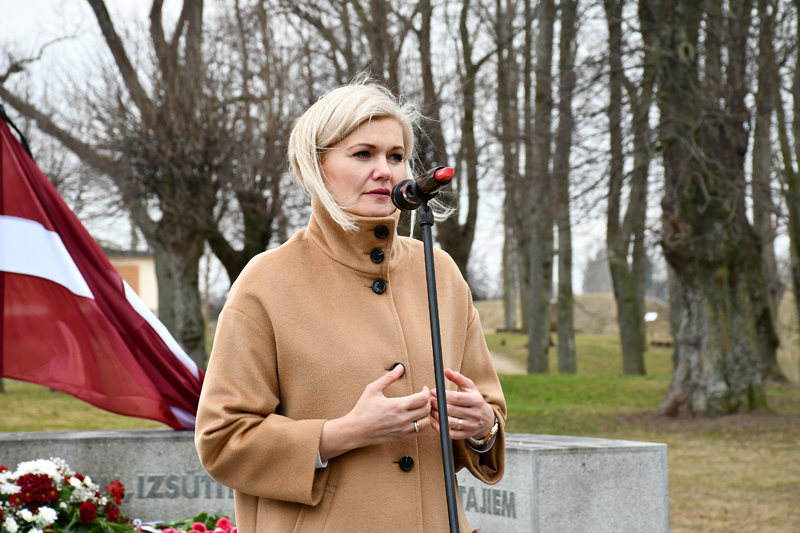
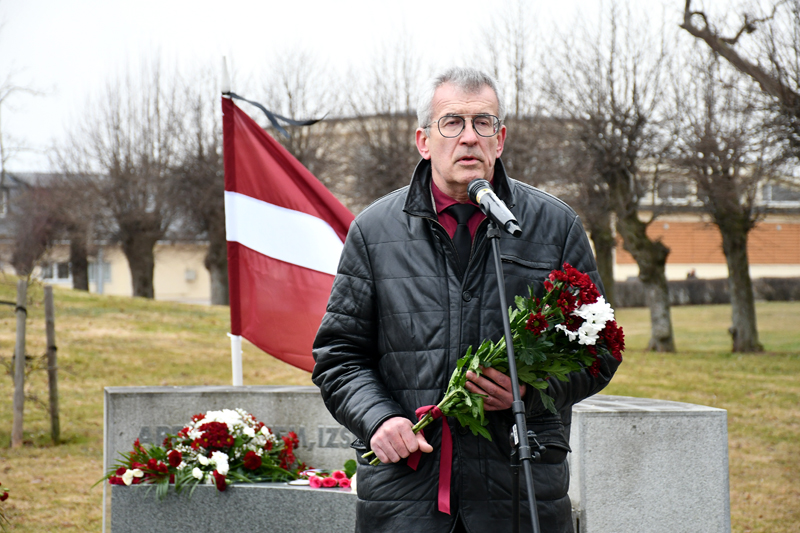
Linda Abu Meri, Deputy Chair of the Bauska Municipality Council, addressed those in attendance, reflecting on the difficulty of capturing the full weight of the event in news reports. “It’s hard to write a short news item when so much needs to be said,” she stated. “It’s about the incredible strength of spirit of these people – only with a strong spirit and a bright heart could they endure. It’s a story of faith – that they would one day return and reunite with their loved ones.” She acknowledged that many did not return, and their memory was honored that day. “This day makes us think about our resilience, our strength, and how important it is to stand together.”
Raitis Ābelnieks, Head of the History Department at the Bauska Museum, provided historical context, noting the sheer number of those affected. “Once again, it is March 25th, and once again we are here,” he said. “Usually, on this day, we have to cite many numbers, but behind those numbers are people, suffering, and broken lives.” He explained that roughly 95,000 people were deported from the Baltic states, with over 42,000 coming from Latvia. He drew a stark comparison, stating that the number of deportees from the Bauska region nearly equaled the current population of the entire municipality. “It’s as if every fiftieth resident was deported.” According to records, 1,591 people were deported from the Bauska district, representing 522 families. Those targeted were labeled “kulaks, nationalists, and supporters of bandits.” Ābelnieks explained that “kulaks” referred to prosperous farmers who had achieved success through hard function. He added that areas with the most “kulaks” deportations often experienced the least productive collective farms, as the new arrivals lacked agricultural expertise.
Ābelnieks emphasized that the orders for the deportations came from Moscow and were carried out by the Cheka, the Soviet secret police, who compiled the lists of those to be removed. Individuals were often informed of their impending deportation just two weeks in advance. “What we have is our history. It must be known and told to future generations.” He then drew a parallel to current events, stating, “It seemed to me at the beginning of this century that nothing like this could happen again in Europe, but the events in Ukraine show that it can happen and that the perpetrators are descendants of the same deportees who are now ravaging Ukraine. If we do not support Ukraine, the aggressor will turn against us again, against the Latvian people.”
Following the memorial service, attendees were invited to a screening of Dzintra Geka’s documentary, “Born in Siberia. Mārtiņš Vilsons,” at the Bauska Cultural Center.
Photo: Ivars Bogdanovs