
, the
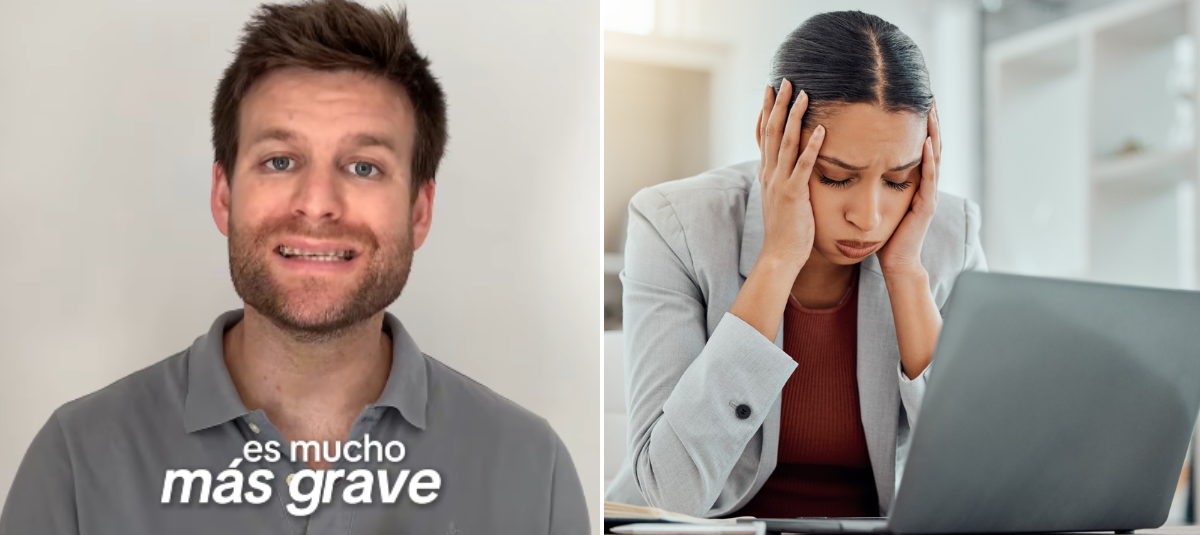
A simple strategy to combat the negative effects of a sedentary lifestyle – a common issue for those who spend much of their day in front of screens – has been proposed by neuropsychiatrist Edilberto Peña.
The approach involves incorporating brief bursts of physical activity, often referred to as “exercise snacks,” into one’s daily routine. These can be done at any time and require no special equipment or lengthy workouts.
READ ALSO
These periods of movement, lasting between 2 and 10 minutes and repeatable several times a day, include everyday actions like taking the stairs, walking while on a phone call, stretching near a desk, or performing joint movements.
The goal is to consistently signal the body, activating physiological processes that are often disrupted by prolonged inactivity. According to the specialist, these breaks serve as a reminder to the body: “I’m still here, and I’m taking care of you.”
Over 80% of those who practice these habits maintain them due to increased energy and mental clarity. Photo:iStock
READ ALSO
Evidence from 48 experts across 11 countries supports the practice
This recommendation stems from an international consensus involving 48 experts from 11 countries, who reviewed studies on the effects of interrupting sedentary behavior with these micro-periods of activity. The evidence suggests that regularly getting up and moving around helps lower blood pressure, moderate glucose spikes, and reactivate metabolism, which slows down during prolonged sitting. Improvements in cardiorespiratory fitness, insulin sensitivity, and cholesterol levels were observed after consistent practice for between 10 and 11 weeks.
The research also demonstrates high adherence rates: more than 80% of individuals who incorporated these “exercise snacks” continued them without supervision, reporting reduced fatigue, improved mental clarity, and an overall increase in energy throughout the day. This highlights the potential for small changes to have a significant impact on well-being.
Setting alarms every 60 to 90 minutes can help integrate brief pauses of constant movement. Photo:iStock
From a mental health perspective, the benefits extend beyond the physical. Brief movement promotes brain oxygenation, helps regulate emotions, and reduces the cognitive blockage that can occur after hours of inactivity.
The specialist suggests implementing a reminder every 60 to 90 minutes to take an active break of at least 2 minutes as a practical and accessible way to care for overall wellness. This recommendation underscores that sustained progress can be achieved through small, repeated efforts.
El Universal (México) / GDA
More news in EL TIEMPO
*This content was rewritten with the assistance of artificial intelligence, based on information from El Universal, and was reviewed by a journalist and an editor.
