
Highly Contagious Bird Flu Spreads to Sub-Antarctic Islands, Threatening Seal Populations
Researchers announced today that the highly contagious bird flu has likely spread to the Australian sub-Antarctic islands of Heard and McDonald Islands, raising concerns about a potential wider impact on the region’s unique ecosystem.
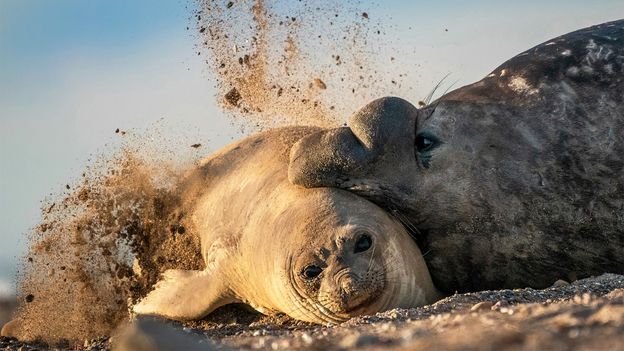
The discovery follows reports from last year of the virus impacting wildlife around Kerguelen Islands in the Indian Ocean, where researchers, wearing hazmat suits, collected samples from both live animals and carcasses. Several dead elephant seals, including pups, have been found on Heard and McDonald Islands, less than 500km (311 miles) from Kerguelen, though testing for the flu is still pending. Australia remains the only continent currently unaffected by this strain of avian influenza.
Analysis of blood samples from elephant seals in the region has largely been negative for antibodies, indicating a lack of prior exposure or developed immunity. “That raises concerns,” says researcher Boulinier, who is preparing to return to the islands to continue monitoring. “If there is another outbreak this year, it may also be devastating.” The vulnerability of these populations is heightened by the fact that many seal species in Antarctica and the Sub-Antarctic are endemic, meaning they are found nowhere else on Earth. A decline in seal populations could have significant consequences for the delicate balance of the Antarctic food web – learn more about Antarctic wildlife and conservation.
Elephant seals play a crucial role as top predators and “ocean fertilisers,” distributing vital nutrients through their deep dives – reaching depths of up to 2.1km (7,000ft) – and subsequent waste. Researchers warn that a decline in their numbers could trigger a “cascade” of harm throughout the marine ecosystem, impacting fish populations and overall ocean health. Understanding the spread of diseases in marine mammals is critical, as highlighted by the National Oceanic and Atmospheric Administration.
Researchers are now racing to assess the potential impact and Boulinier is scheduled to return to the islands in a few weeks to continue monitoring the situation.
