
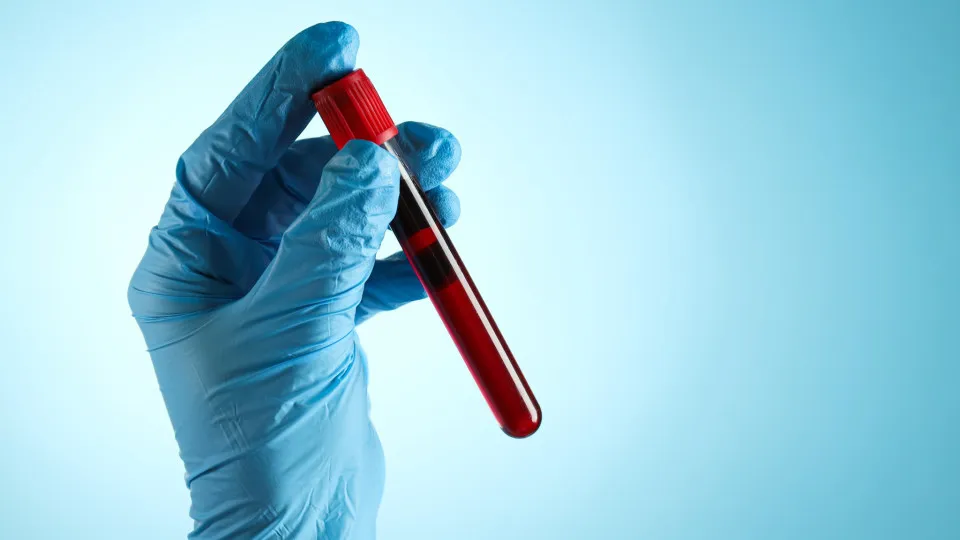
A groundbreaking study from the University of Edinburgh suggests a future where routine blood tests could detect diseases – including cancers, heart disease, and diabetes – years before the onset of symptoms. leveraging data from the UK Biobank’s extensive health database, researchers are developing a method to identify pre-symptomatic biomarkers via a simple finger-prick blood sample, potentially revolutionizing preventative healthcare and significantly improving patient outcomes. The ongoing research builds on recent advances in early detection, including promising findings regarding Alzheimer’s disease and the ability to detect circulating tumor DNA up to three years before clinical diagnosis[1].
Edinburgh University researchers are exploring a blood test that could detect multiple diseases up to a decade before symptoms appear, offering a potential leap forward in preventative healthcare. The research leverages data from the extensive UK Biobank.
Early detection is crucial for effective treatment, and this work could pave the way for rapid diagnostic tests that identify early warning signs of a range of illnesses. This approach could allow for earlier interventions and potentially improve patient outcomes.
Conditions like diabetes, heart disease, and cancer are among those that the new testing method aims to identify at a pre-symptomatic stage.
“This fits with the preventative model we’re moving towards – being able to send off a tiny blood sample from a finger prick and get an idea of your health status,” explains Dr. Joy Edwards-Hicks of the University of Edinburgh. “If we have early indicators of disease, we can tell someone in their 40s that their biomarkers aren’t looking good for their age and advise them on changes they could make.”
Alzheimer’s disease research has also recently shown promise in halting cognitive decline.
A Blood Test to Detect Disease
The new tests, requiring only a small finger-prick blood sample, could analyze sugars, fats, and hormones to provide insights into a person’s diet, lifestyle, exposure to pollution, and stress levels. Analyzing these factors can offer a comprehensive picture of an individual’s overall health.
“These metabolic profiles give you all the genetic predisposition and its consequences, as well as environmental exposures, providing us with a picture of a person’s physiological state,” Edwards-Hicks continued.
While the initial results are promising, further research is needed before these tests become widely available. “Studying metabolites is a way to reveal new warning signs of disease, understand how diseases start and evolve, and monitor the effectiveness of treatments,” says Edwards-Hicks.
Revolutionary Test May Detect Cancer Three Years Early
Early cancer detection is known to significantly improve treatment success rates, making diagnostic tools like this one particularly valuable. A recent study suggests a potential method for identifying cancer up to three years before symptoms manifest.
Research published in Cancer Discovery revealed that genetic material from tumors can be detected in the bloodstream as early as three years prior to clinical presentation. This experimental test has the potential to simultaneously screen for multiple cancer types.
“For cancer at any stage, therapy is most effective when administered earlier,” revealed Yuxuan Wang, one of the study’s authors. “As a clinical oncologist, I primarily see patients with advanced cancer. Unfortunately, for most of these patients, treatments are aimed at prolonging life rather than curing the disease.“
“If cancers can be detected three years earlier, there will be a much greater likelihood of them being curable by surgery or other therapies,” she added. “Future efforts should be directed toward developing reliable tests that can achieve this early detection and make them available to patients.”
Another recent study highlighted the cardiovascular risks associated with even limited smoking.
