
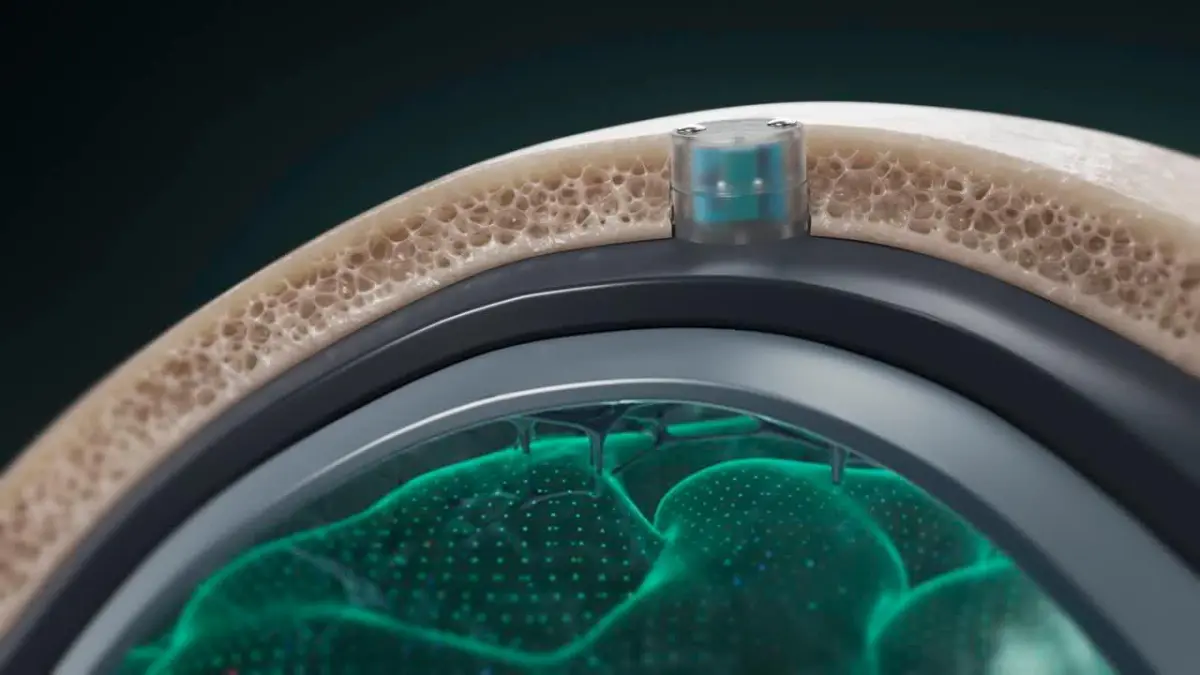
A novel brain implant, roughly the size of a blueberry, is being explored as a potential treatment for depression. The device, known as DOT, was developed by the U.S.-based company Motif Neurotech.
The U.S. Food and Drug Administration (FDA) has approved the initiation of studies involving the implant, marking a significant step forward in the field of neurostimulation for mental health. This development offers a new avenue for individuals struggling with treatment-resistant depression, a condition where conventional therapies like medication and psychotherapy prove ineffective.
In a pioneering procedure performed at the Hospital Internacional de Colombia in Bucaramanga, Santander, a 34-year-old Colombian woman, Lorena Rodríguez, underwent implantation of the device. Rodríguez, who has battled major depression since adolescence, sought the procedure as a potential treatment through deep brain stimulation, performed by neurosurgeon William Omar Contreras.
The surgical process involved the placement of four electrodes – two in each hemisphere of the brain – within regions associated with emotional and mood regulation. Notably, the operation was conducted whereas the patient remained conscious. The implant aims to stimulate brain areas that aren’t responding normally, potentially helping to regulate mood.
Major depression affects millions worldwide, and in severe cases, standard treatments are insufficient. The advancement of functional neurosurgery is beginning to provide additional tools for patients who do not respond to typical approaches. This case represents the first such surgery performed in Latin America, potentially opening doors for wider access to innovative treatments for depression.
Rodríguez shared her experience following the surgery, offering insights into her life post-implantation. The details of her experience could provide valuable data for further research and refinement of the technology.
