
Brazil’s broad consumer price index, the IPCA-15, rose 0.44% in March 2026, down from a 0.84% increase in February, according to data released Friday, March 26 by the Brazilian Institute of Geography and Statistics (IBGE). The annual increase registered at 3.90%.
The figure exceeded expectations. A Reuters survey had projected a monthly increase of 0.29% and an annual rise of 3.74%.
The result was primarily driven by the Food and beverages group, which increased 0.88% and had an impact of 0.19 percentage points on the overall index, and Personal expenses, which rose 0.82% and exerted an influence of 0.09 percentage points. This data is closely watched by economists as a key indicator of inflationary pressures within the Brazilian economy.
All nine groups of products and services surveyed registered positive variation in March, with the Food and beverages group standing out with the largest variation (0.88%) and impact (0.19 p.p.), followed by Personal expenses (0.82% and 0.09 p.p.). The remaining variations ranged from 0.03% in Communication to 0.47% in Clothing.
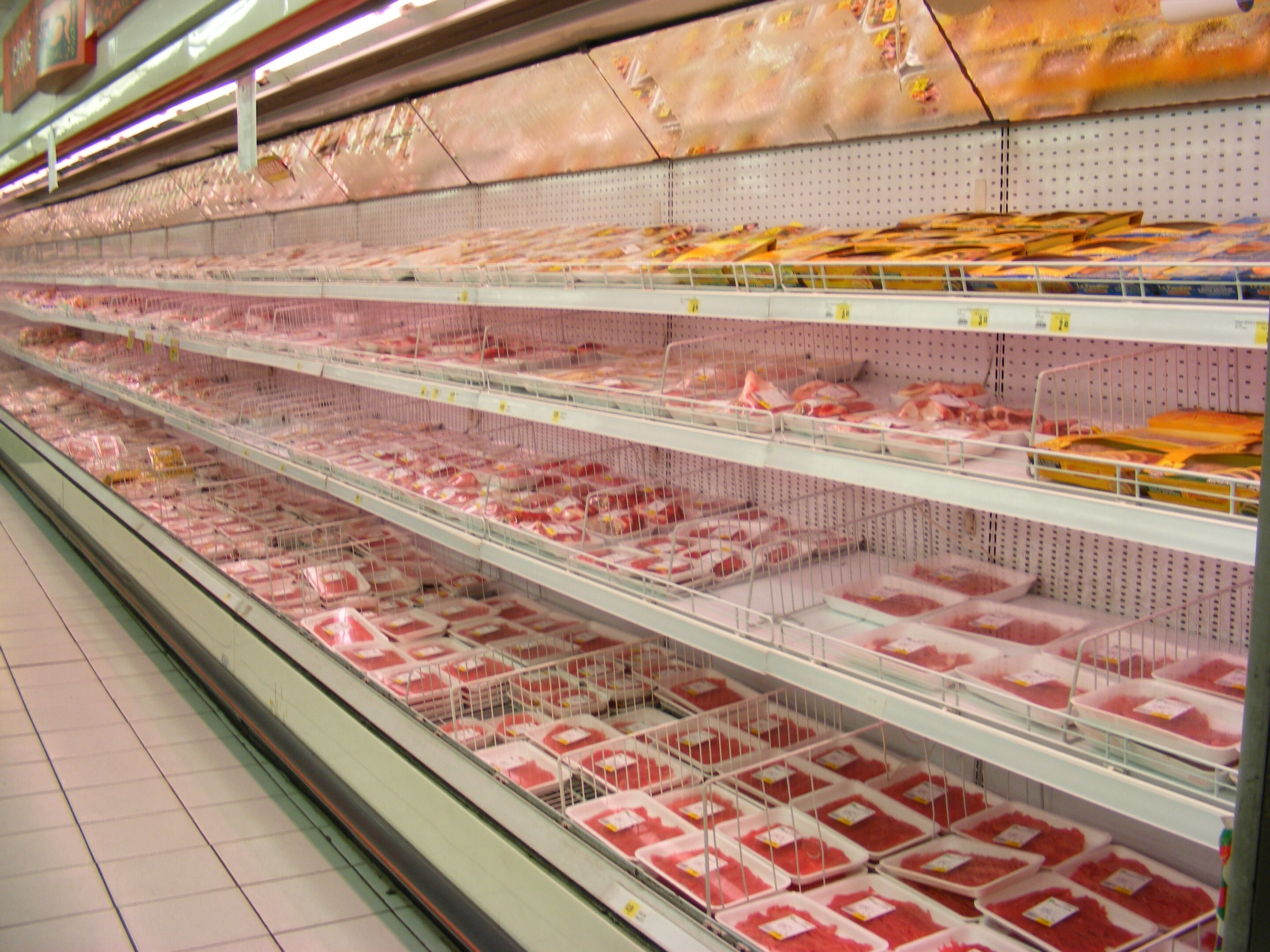
Within the Food and beverages group (0.88%), food consumed at home accelerated from 0.09% in February to 1.10% in March. Contributing to this result were increases in açaí (29.95%), carioca beans (19.69%), chicken eggs (7.54%), long-life milk (4.46%), and meats (1.45%). Declines were seen in ground coffee (-1.76%) and fruits (-1.31%).
Food consumed outside the home rose from 0.46% in February to 0.35% in March. Meals (0.31%) registered a variation lower than that recorded in the previous month (0.62%), while snacks increased from 0.28% to 0.50% in the same period.
Continua depois da publicidade
In addition to Food and beverages, the Personal expenses group (0.82% and 0.09 p.p.) likewise exerted a strong influence on the general index, with emphasis on banking services (2.12%) and domestic employees (0.59%).
In the Health and personal care group (0.36% and 0.05 p.p.), highlights included health plans and personal hygiene items, which rose 0.49% and 0.38%, respectively.
The Housing group accelerated from 0.06% in February to 0.24% in March, influenced by the result of residential electricity (0.29%), which includes average adjustments of 15.10% and 14.66% in concessionaires in Rio de Janeiro (1.82%).
The water and sewage rate (0.44%) also reflected tariff adjustments: 6.56% in Belo Horizonte (2.20%) and 6.21% in one of the concessionaires in Porto Alegre (2.13%). In the piped gas sub-item (-0.99%), there was a reduction of 4.01% in tariffs in Curitiba (-2.39%) and 4.44% in Rio de Janeiro (-2.30%).
In the Transportation group (0.21%), highlights included airfares (5.94%), the sub-item with the largest individual impact on the month’s result (0.05 p.p.). The result for intermunicipal buses (1.29%) includes the adjustment of 11.69% to 12.61% in Rio de Janeiro (12.59%) and 7.27% in Curitiba (1.70%).
The 0.56% increase in taxis occurred due to adjustments of 4.26% in Porto Alegre (3.50%), 18.70% in Fortaleza (2.22%), and 4.53% in Salvador (1.21%). The result of the urban bus sub-item (-0.59%), which includes gratuities/tariff reductions on Sundays and holidays in some areas, incorporated the adjustments of 6.00% in Porto Alegre tariffs (5.00%), 4.46% in Recife (2.74%), and 20.00% in Fortaleza (2.31%).
Continua depois da publicidade
Fuels showed a reduction of 0.03%, with decreases in the prices of vehicle gas (-2.27%), ethanol (-0.61%), and gasoline (-0.08%), while diesel oil had a positive variation of 3.77%.
Regionally, ten of the eleven areas had increases in March. The largest variation was recorded in Recife (0.82%), due to the increases in tomatoes (46.27%) and gasoline (1.37%). The lowest result occurred in Curitiba (-0.06%), which showed a decrease in the prices of registration and licensing (-4.83%), fruits (-3.78%), and gasoline (-0.84%).
(with news agency from IBGE)
Continua depois da publicidade
