
Debuting in 1997 and refined for the 1998 model year, the Cannondale Raven marked a pivotal moment in bicycle design as the american manufacturer’s first foray into carbon fiber frames.The Raven wasn’t merely an iteration of Cannondale’s established Super V model, but a bold step toward lighter materials and innovative construction techniques. This article examines the Raven’s groundbreaking design, its impact on the mountain biking world, and its enduring legacy, alongside a personal recollection from one rider’s experience with the bike.
The Cannondale Raven, first unveiled in 1997 and appearing in the 1998 lineup, remains a landmark achievement in bicycle design. It was the American brand’s first carbon fiber frame and quickly became iconic, representing far more than a simple evolution of the Super V model.
In 1997, a striking black bicycle appeared in Cannondale’s catalog, still in prototype form. The Cannondale Raven signaled the company’s entry into carbon fiber frame construction, a significant step for a brand previously known for its aluminum expertise.
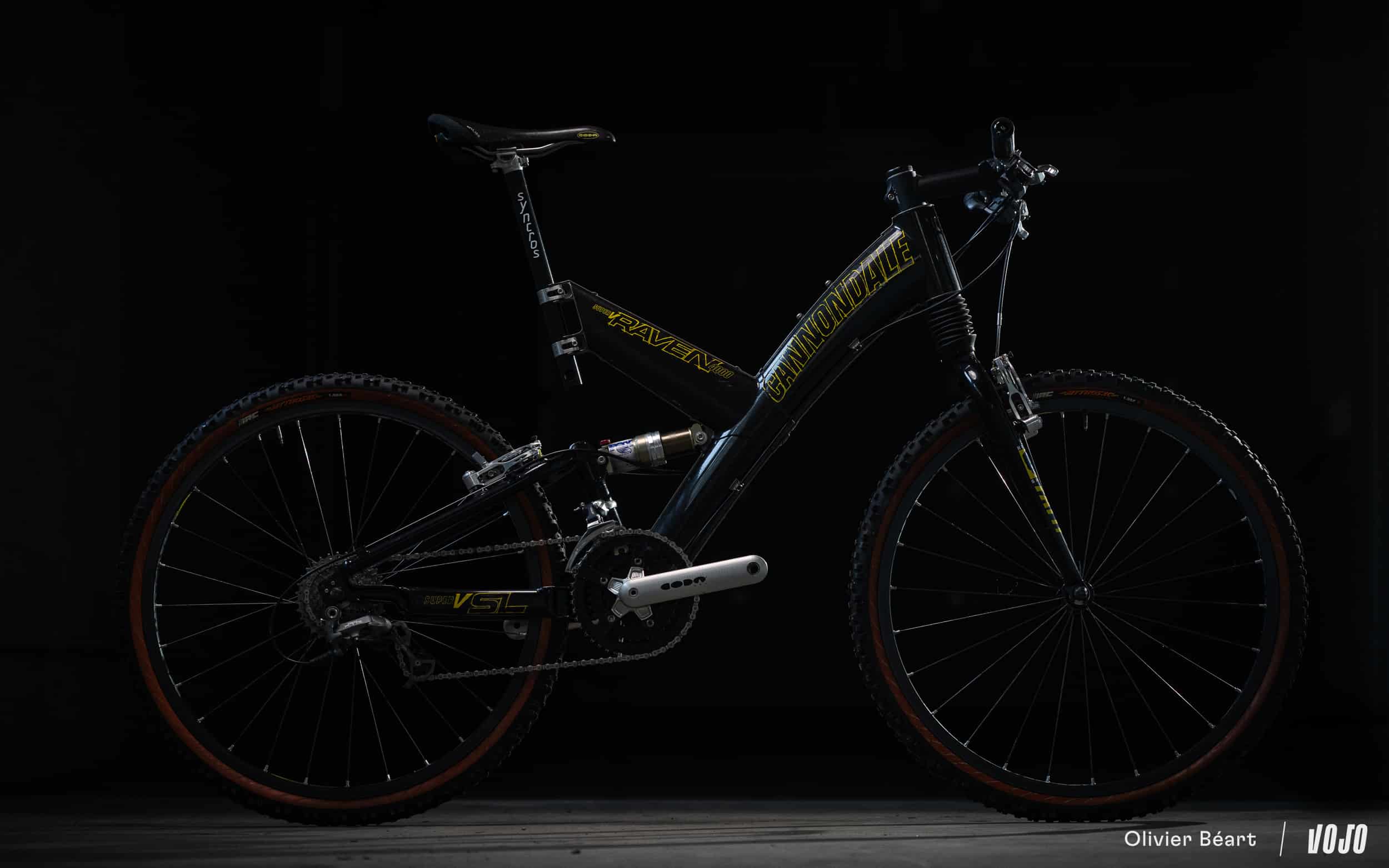 The Raven built upon the Cannondale Super V’s successful mono-pivot suspension and rear triangle design. However, it introduced a groundbreaking front triangle, setting it apart as a distinctly different machine. This represented a significant shift in mountain bike frame construction, pushing the boundaries of material science and design.
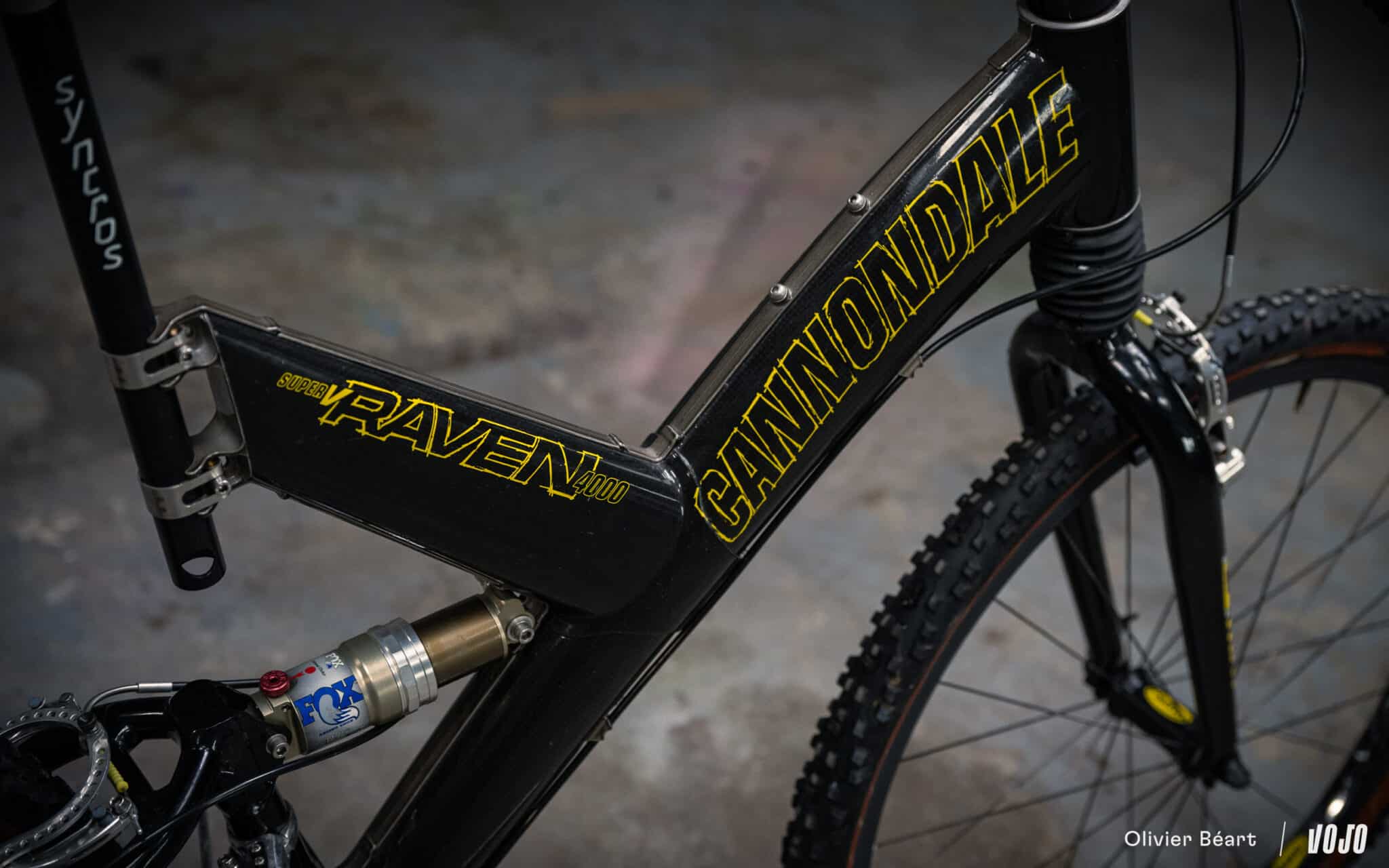
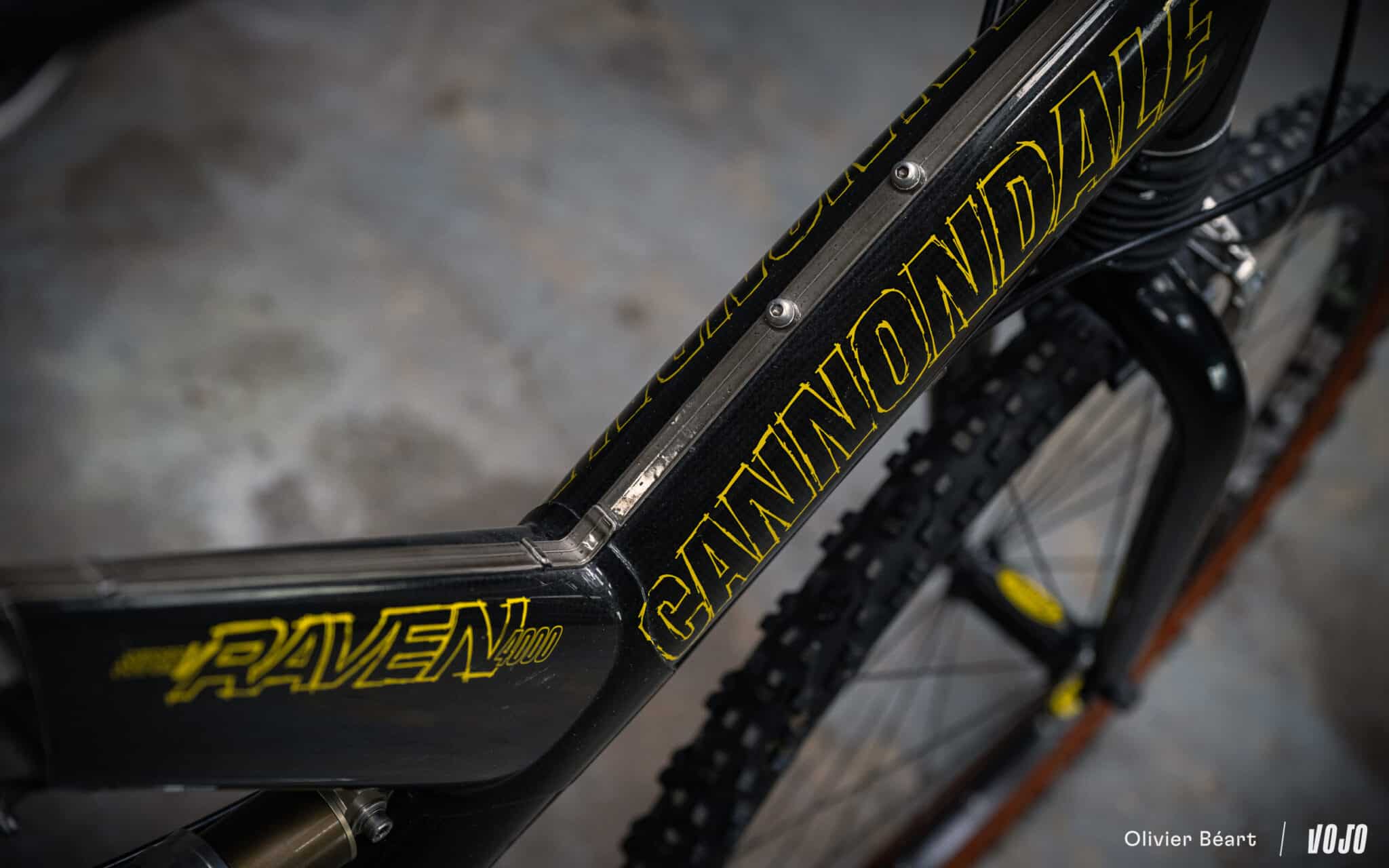
This innovative front triangle wasn’t a single molded piece, but rather two half-shells bonded around a thin aluminum spine. This construction allowed Cannondale to vary carbon fiber thickness more easily and avoid the limitations of round tubing. The design offered greater freedom in shaping the frame while enhancing its rigidity and strength – a key advantage in the emerging field of carbon fiber bicycle construction.
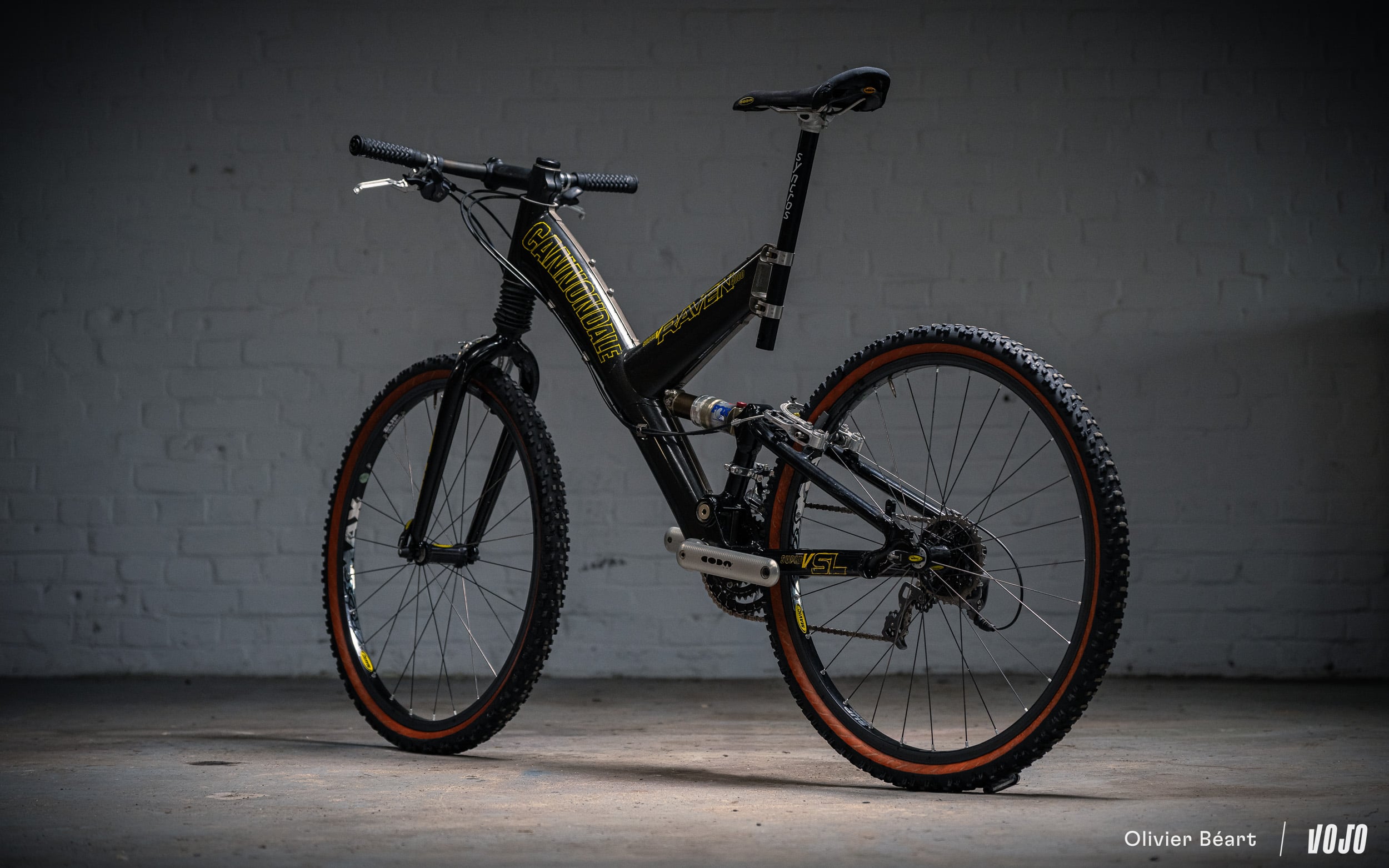 However, this strength also proved to be a weakness. Numerous frames experienced failures at the seatpost junction, and the bonding of carbon to aluminum wasn’t as durable as anticipated. This impacted Cannondale’s reputation for the robust aluminum frames it was known for, and the issue persisted with the second generation of the model. Despite this, the Raven continued to turn heads.
 The model pictured is the top-of-the-line 1998 Cannondale Raven 4000SL, equipped with the best components available at the time.
 At the time, this was one of the most expensive bikes on the market, costing over €6,000 – roughly $9,500 today adjusted for inflation. Despite its lightweight design and striking appearance, it saw limited use by athletes on the team, as semi-rigid frames still dominated competition.
The Mavic CrossMax wheels of the first generation are featured, with ceramic-coated rims for improved braking performance. These are paired with IRC Mythos tires, featuring different tread patterns for the front and rear.
Braking power came from Avid Arch Ultimate brakes. These were meticulously machined from a single block of aluminum, featuring a bearing-mounted pivot and an integrated, articulated stiffening arch. The brake levers matched the quality and design.
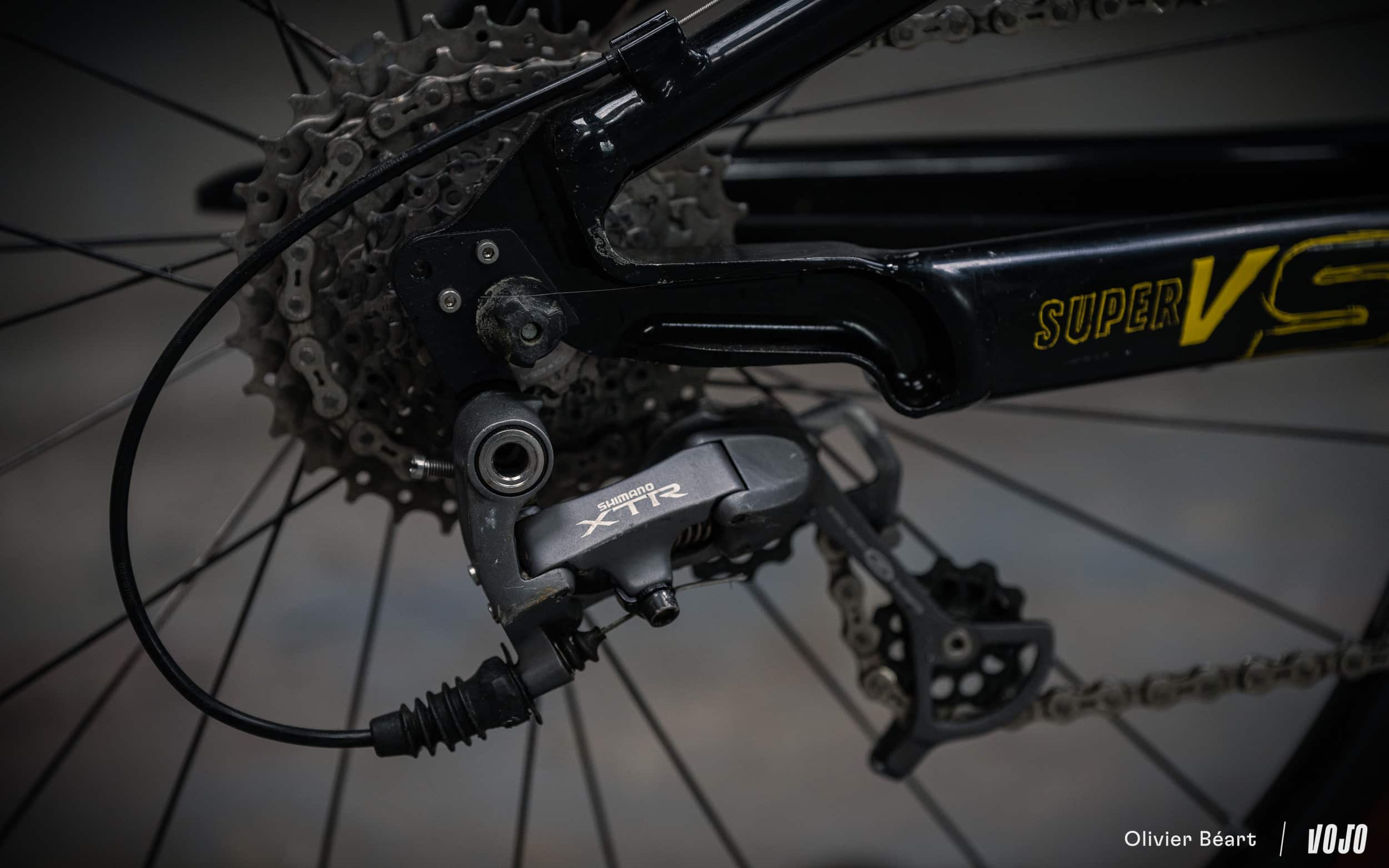 Originally, the bike was equipped with a Sachs Plasma derailleur and twist shifters, but their plastic construction and reliability issues led to a replacement with a more dependable Shimano XTR on this test model.
The crankset is also a remarkable component. It’s the Cannondale Coda Magic, developed in-house. Its design was innovative and paved the way for modern cranksets, featuring an oversized aluminum axle with the crankarms attached, and external bearings – a departure from the square-taper bottom brackets common at the time. The Coda Magic was known for its exceptional weight-to-rigidity-to-strength ratio for the era and remains competitive today.
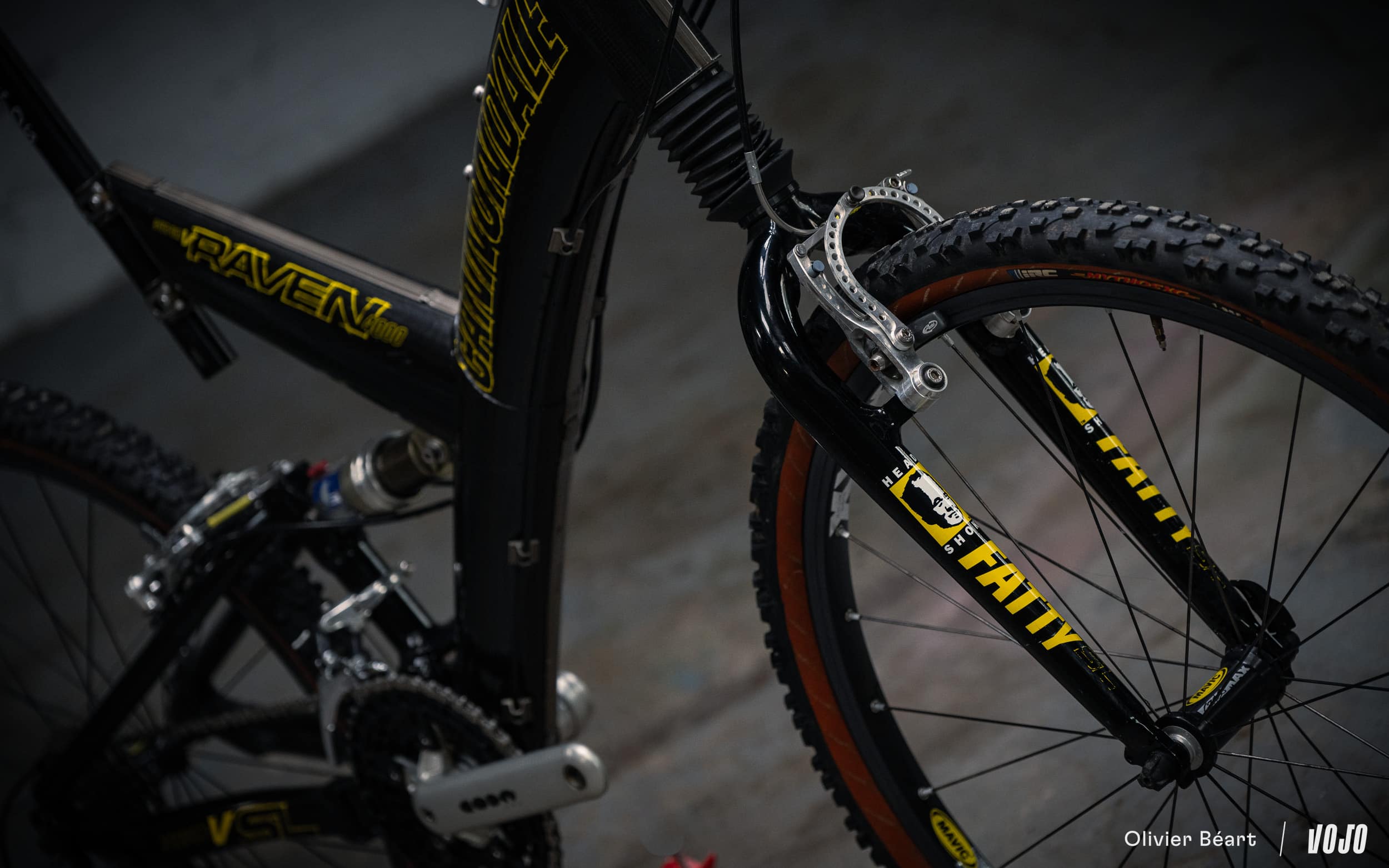 Another hallmark of Cannondale was the fork. The Headshock Fatty SL concealed its suspension system within an oversized head tube (1.5″ versus 1.1/8″ on conventional bikes) to provide 70mm of travel and a 5-position compression adjustment easily accessible while riding, located just above the stem.
This design also offered an excellent weight-to-rigidity ratio and uncommon steering precision for the time and for a fork weighing only 1.2 kg. However, it required frequent, complex, and relatively expensive maintenance to function optimally.
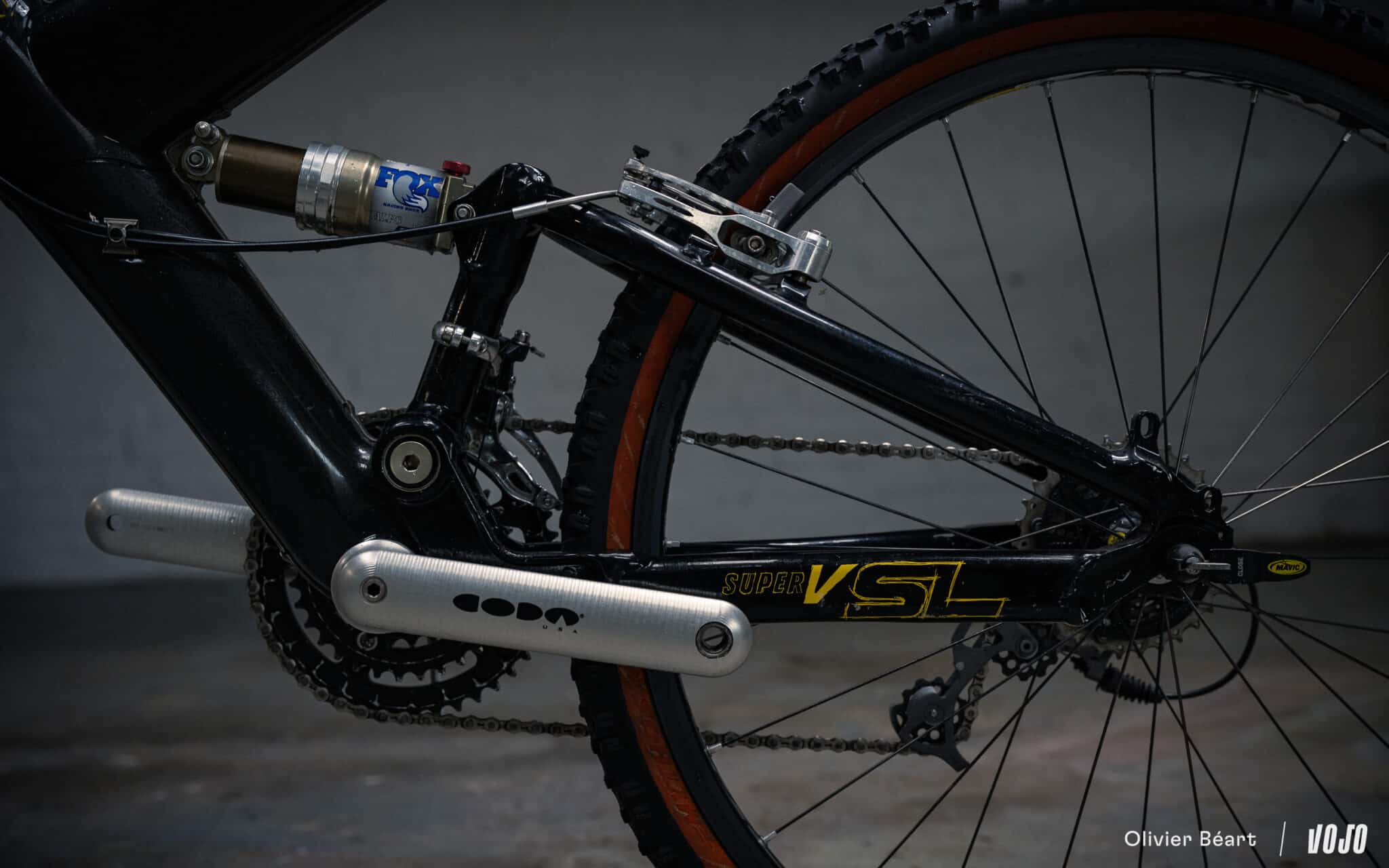
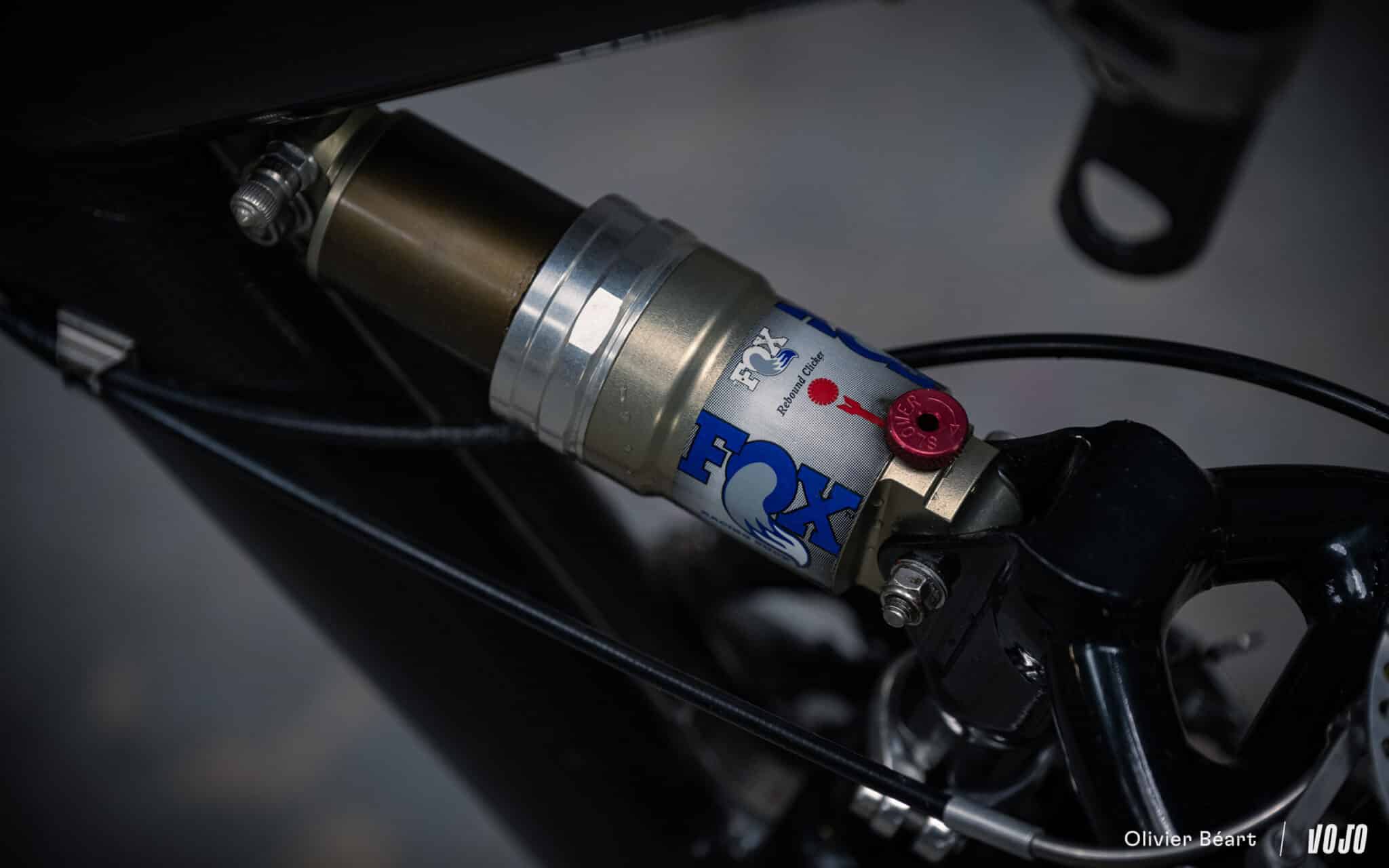
The rear suspension is more conventional, with a mono-pivot system, but effective, offering 100mm of travel with a Fox Alps 5R shock, now difficult to find in good condition.
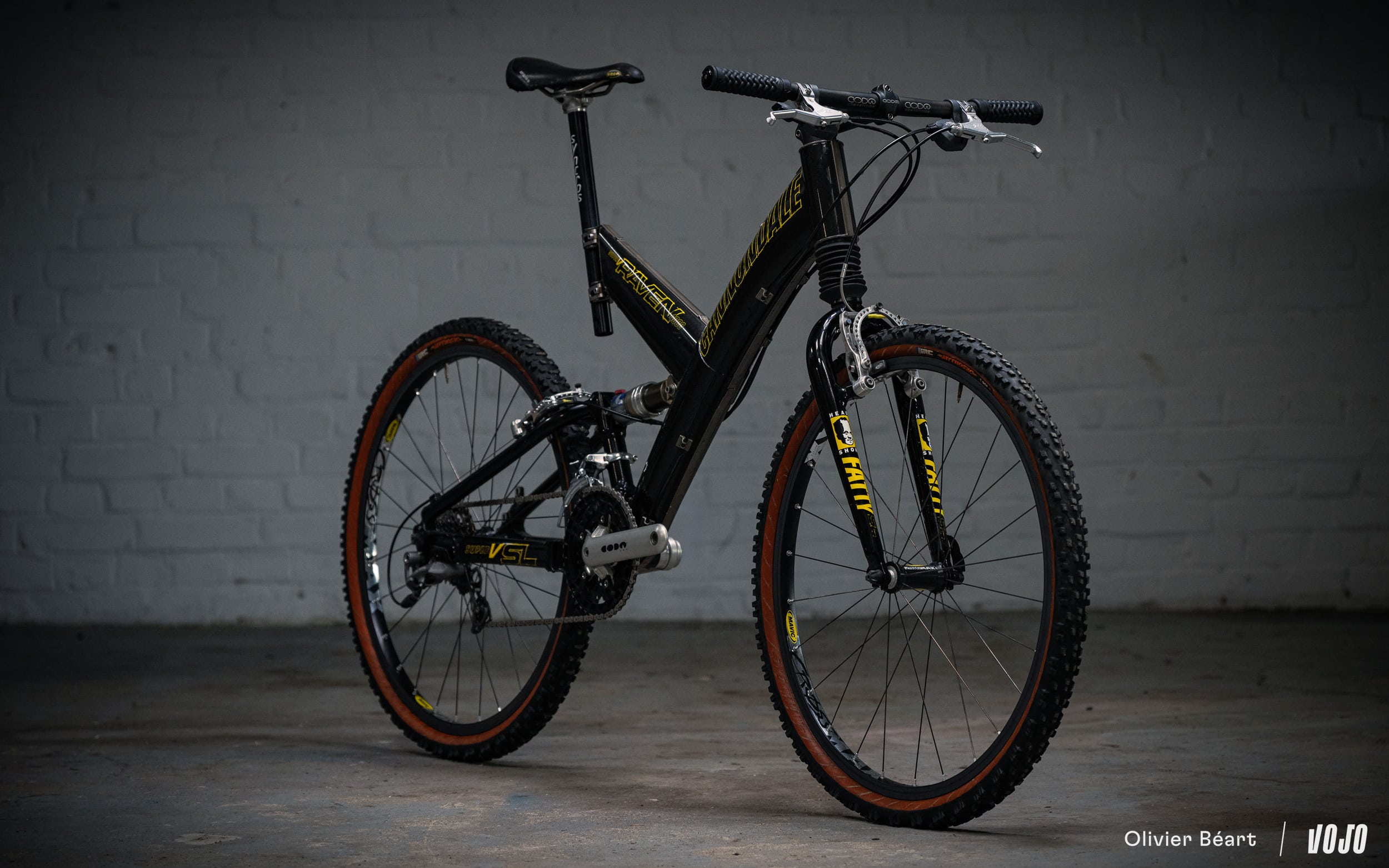 In total, the bike weighs just over 11 kg.
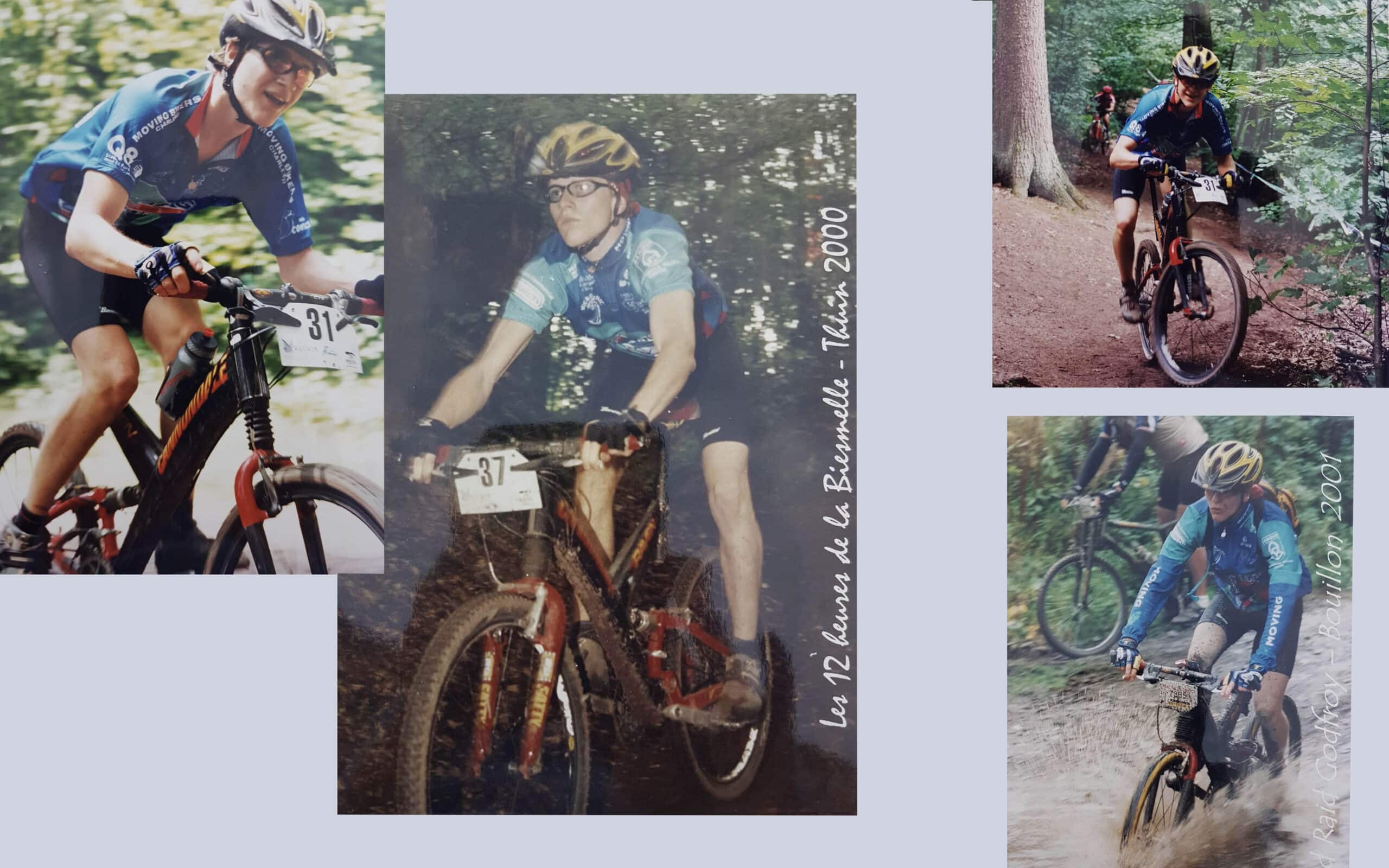 This bike holds a personal significance as well. The Raven was my first serious mountain bike in 1998, the 2000SL model with Shimano XT components. I owned it for five years, upgrading it with Mavic CrossMax tubeless wheels, an XTR derailleur, Easton carbon handlebars and seatpost. Despite the model’s reputation for reliability issues, it never let me down. I still have it in my collection today, undergoing restoration to its original configuration, and it will always hold a special place in my heart.
You can find more articles on the history of mountain biking and its iconic models here: https://www.vojomag.com/?s=flashback
