
Las Vegas’s CES 2026 delivered a compelling glimpse into the future of home technology, showcasing a shift toward seamless, intuitive living spaces. The event highlighted a move beyond simple remote control of devices, with manufacturers prioritizing proactive intelligence and user-centric design. Beyond the buzz of new gadgets, a core theme emerged: increasing interoperability and accessibility, signaling a maturation of the smart home market and potentially wider consumer adoption-a trend underscored by the prominent role of affordable, matter-compatible devices from companies like Ikea.
Las Vegas’s CES 2026 showcased a smart home poised for a new era, one defined by ease of use, proactive intelligence, and seamless adaptation to user needs. The days of controlling gadgets solely through smartphones are giving way to a more autonomous and intuitive living experience.
Ikea’s expanding range of affordable, Matter-compatible smart home devices was a prominent topic at the show, signaling a broader accessibility of connected living. The company is streamlining installation and lowering costs, potentially accelerating adoption among mainstream consumers. But the most significant takeaway from CES 2026 may be the shift in philosophy towards a smart home that’s truly open and accessible to all.
While innovations in smart lighting continue to emerge, a broader trend towards homes that learn and operate intelligently is taking hold. These systems are designed to understand, observe, and proactively respond to occupants’ needs.
Smart Homes Are Getting to Know You
Philips Hue’s upcoming Spatial Aware feature, slated for 2026, aims to simplify smart lighting optimization for users. The system intelligently adjusts the color and intensity of lights based on their position within a room, creating a more natural and immersive ambiance. This development highlights the growing sophistication of smart home systems and their ability to automate complex tasks.
Users can scan their rooms with a smartphone app, allowing the system to detect and coordinate all Hue lights. Even pre-set scenes, like a sunset simulation, will dynamically adjust to create a realistic lighting effect throughout the space. Spatial Aware will require the latest Hue Bridge Pro to function.
Similar to the Motion Aware feature introduced in September, which focused on security and utility, Spatial Aware demonstrates Hue’s commitment to expanding the capabilities of its lighting ecosystem.
Aqara’s FP400 sensor analyzes user activity through spatial detection. The device can identify whether a person is sitting, standing, or lying down, and analyze behaviors in relation to environmental conditions like temperature and energy consumption, even with multiple people present in a room. Utilizing mmWave radar and AI algorithms, the FP400 supports both Thread and Zigbee protocols and can also function as a fall detector.
The sensor can also determine the presence and distance traveled by individuals in real-time, allowing for adjustments to heating or lighting scenarios. Aqara has developed a “spatial intelligence ecosystem” comprising a thermostat, camera, smart lock, and various Matter-compatible connected devices.
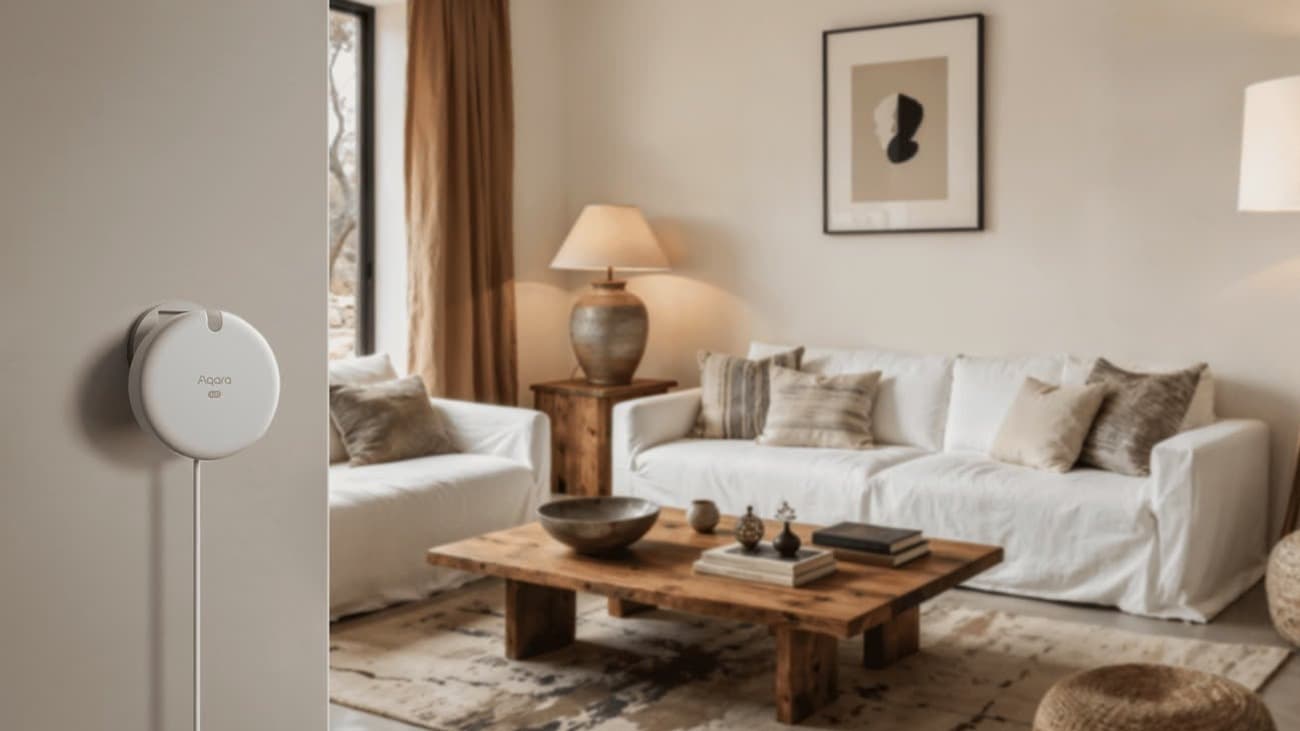
Other brands, including LG and Samsung, are integrating AI into appliances to learn user habits and preferences. Samsung’s AI-powered refrigerators and proactive features like air purifiers that activate based on air quality demonstrate this trend.
The increasing adoption of Matter, enabling interoperability between devices from Google, Apple, Amazon, and others, is also driving wider adoption. The unified standard received increased visibility at CES 2026, alongside Thread, a secure and reliable wireless communication protocol. These technologies are poised to contribute to energy savings and cost reductions.
Home Battery Systems Gain Traction
Driven by recent energy crises, home battery systems are gaining prominence. These systems, often rechargeable via solar power, provide backup power and can optimize energy usage during peak rates or outages.
Ecoflow’s Delta 3 Classic offers easy-to-use backup power, while the Delta Pro Ultra X is a modular solution capable of powering an entire home for several days and is compatible with the company’s smart solar panels.
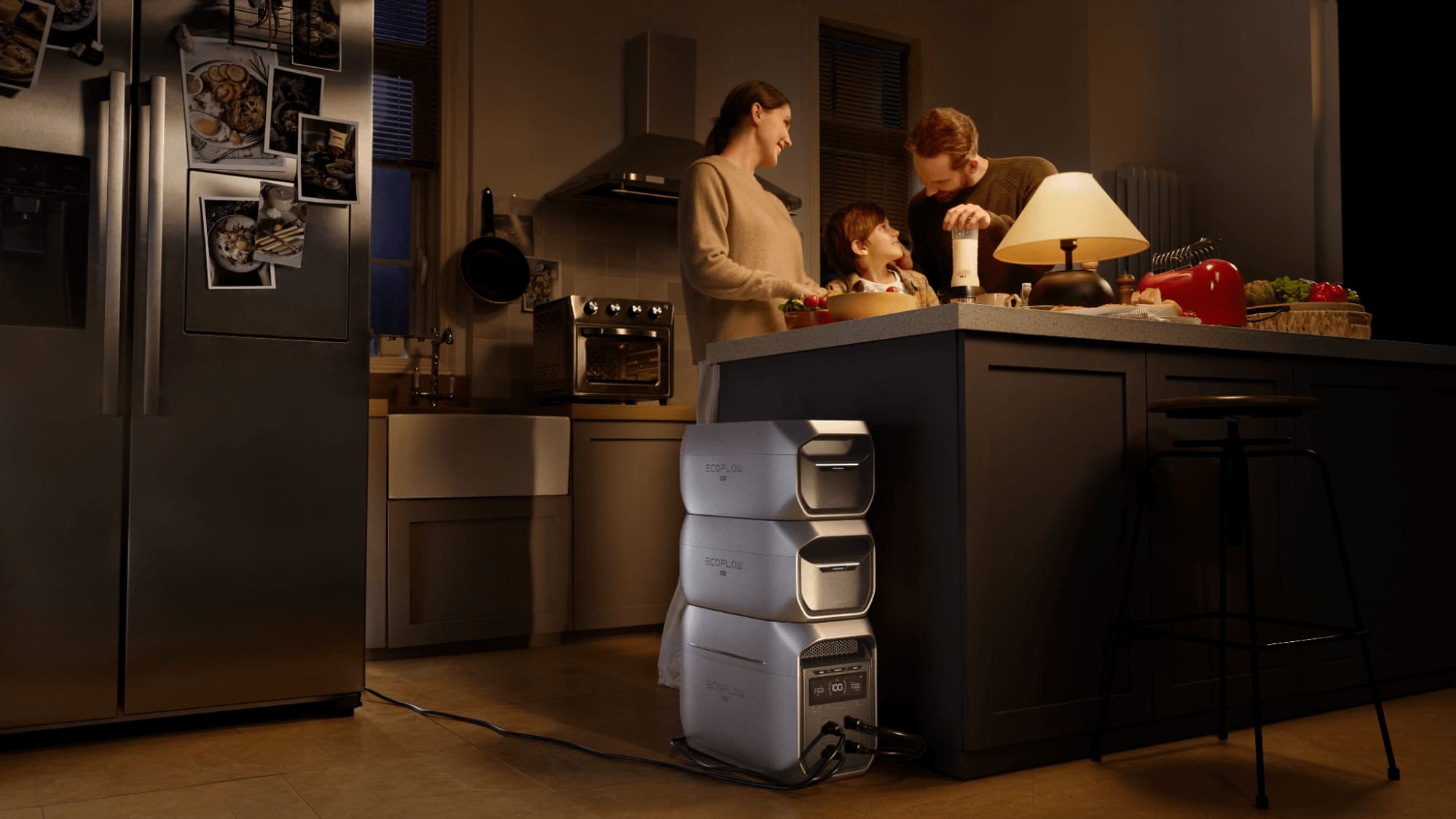
Anker’s Solix E10 is designed for outdoor use, withstanding temperatures from -20°C to 55°C. It can switch over to backup power in under 20 milliseconds. Bluetti’s Elite 320 is a portable option, offering up to two days of power for essential appliances and can be recharged via a car alternator.
Small Footprint, Smart Solutions
The latest tech doesn’t require large living spaces or extensive technical knowledge. Compact, adaptable projectors are increasingly replacing traditional TVs, such as Samsung’s Freestyle+, which offers portability and ease of use. Smaller models were particularly popular at the show.
Cleaning solutions are also evolving, with a focus on space-saving designs. While robotic vacuums continue to advance, manufacturers are addressing the challenge of storage with more compact bases. Switchbot’s K11+, a successor to the K10+, maintains a compact form factor with doubled power, ideal for small apartments. Tineco offers a space-saving solution with its Floor One i7 Fold handheld wet/dry vacuum.
