
Health officials in Minas Gerais, Brazil, are bolstering efforts to combat a rise in chikungunya cases with a new training program for healthcare professionals. The initiative, a collaboration between the State Health Department of Minas Gerais (SES-MG), the Council of Municipal Health Secretaries of Minas Gerais (Cosems-MG) and the State Unified Health System (SUS) Task Force, took place on Wednesday, February 11, 2026.
The training focused on the clinical management of chikungunya and was designed for doctors, nurses, and public health surveillance professionals serving the microregion of Ituiutaba, in the Triângulo Mineiro area. The program aimed to strengthen the region’s response to the increasing number of suspected and confirmed cases of the mosquito-borne illness, which can cause debilitating joint pain.
The curriculum covered timely diagnosis, risk assessment, organization of patient care pathways, clinical monitoring, and proper case reporting. According to Valdemar Mendes de Moraes Filho, manager of the Ituiutaba Regional Health Management (GRS), a proactive approach is crucial at every point of contact within the healthcare system.
“The current situation demands special care starting with the initial care in Primary Health Care, with adequate sample collection for diagnosis, through to referral and follow-up of cases in secondary and tertiary care, when necessary,” Moraes Filho stated.
Integrating Healthcare Services for a Unified Response
The training emphasized the importance of coordination between Primary Health Care, secondary and tertiary care facilities, epidemiological surveillance, and vector control teams. Primary Health Care serves as the initial point of contact within the SUS, providing initial assessment, monitoring of mild cases, and public education through Basic Health Units (UBS). More complex cases requiring specialized evaluation or hospitalization are then referred to higher levels of care.
Effective integration across these areas is essential for monitoring cases, ensuring timely reporting, and implementing effective prevention and control measures. This coordinated approach is vital for containing the spread of chikungunya and minimizing its impact on the population.
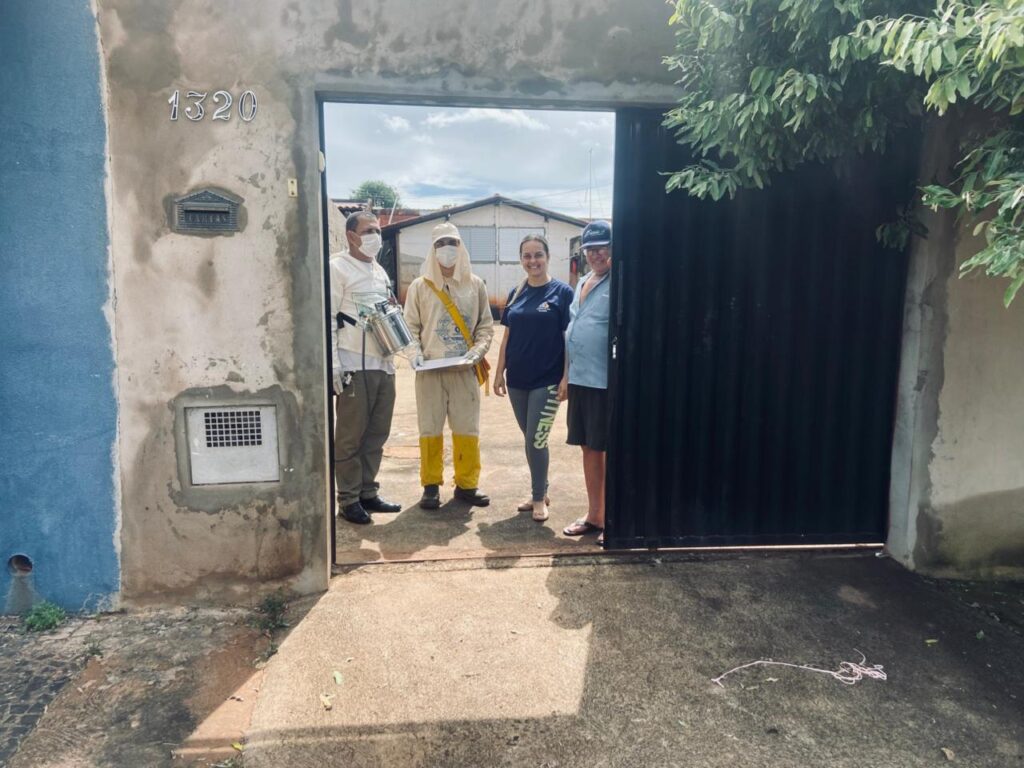
In addition to the professional training, the State SUS Task Force provided technical and operational support on February 11, 2026, for blocking actions in confirmed chikungunya cases in Ituiutaba, particularly in neighborhoods with the highest incidence rates. These measures include immediate interventions following case confirmation, intensified vector control, elimination of Aedes aegypti mosquito breeding sites, and public education to interrupt virus transmission.
Understanding Clinical Management of Chikungunya
Clinical management of chikungunya encompasses the procedures healthcare professionals use to assess, diagnose, treat, and monitor patients. For chikungunya, this includes early identification of symptoms – such as high fever and severe joint pain – risk stratification, guidance on hydration and rest, medication for symptom relief, and monitoring of the patient’s progress. Effective clinical management is key to minimizing the long-term effects of the disease.
The training also addressed potential complications, particularly in vulnerable populations like the elderly, pregnant women, and individuals with chronic illnesses, as well as criteria for referral to specialized care when necessary.
By Gerência Regional de Saúde de Ituiutaba / Photos: Nilton Gomes
