
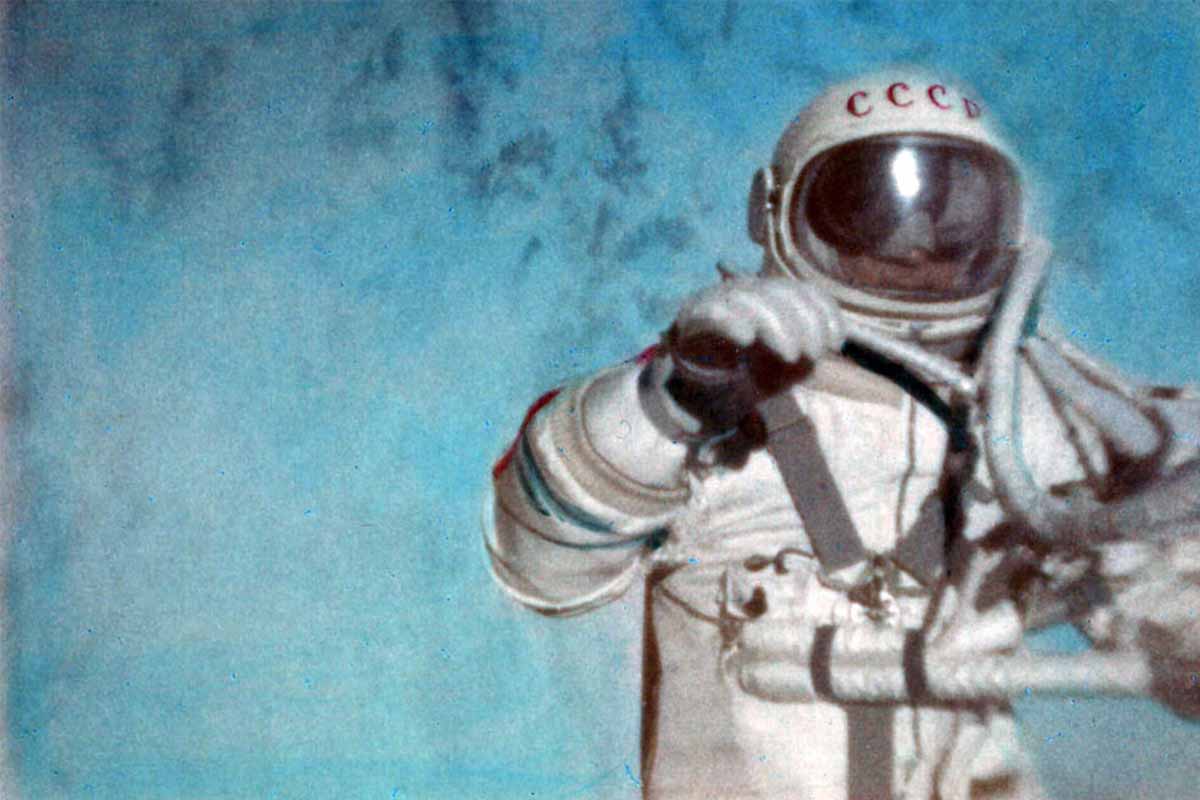
A critical situation is unfolding at China’s Tiangong space station, were three astronauts are stranded in orbit after damage too their return capsule rendered it unusable. The crew of Commander Zhang Lu, Zhang Hongzhang, and Wu Fei are now reliant on the station module while Chinese authorities expedite the launch of a rescue mission. The incident, stemming from a collision with a small piece of space debris, highlights the growing threat posed by orbital debris to human spaceflight and underscores the risks inherent in operating in low Earth orbit.
A potentially critical situation is unfolding aboard China’s Tiangong space station, as three astronauts are currently stranded in orbit with no immediate way to return to Earth. Commander Zhang Lu, Zhang Hongzhang, and Wu Fei are relying solely on their station module after their return capsule was rendered unusable following a collision with space debris, a scenario considered among the most dangerous in spaceflight.
The issue originated before the crew’s arrival, when the Shenzhou 20 team discovered cracks in one of the windows of their SZ-20 capsule caused by a small piece of debris. While minuscule in size, the fragment impacted the capsule at a velocity exceeding 28,000 kilometers per hour – a force capable of compromising the structure. A safe return to Earth requires the capsule to remain fully intact, and the SZ-20 was subsequently deemed unsafe for reentry.

🚨Update: Lost In Space! A Chinese space crew is reportedly unable to return from the Tiangong Space Station after their return capsule was struck by space debris, China’s spaceflight agency confirmed on Wednesday.
Experts suspect the micro-debris caused significant damage to… pic.twitter.com/NStSPB0zML
— US Homeland Security News (@defense_civil25) November 13, 2025
With the Shenzhou 20 crew already returned to Earth, a unique solution was implemented: the astronauts were provided with a capsule originally intended for the next mission. The SZ-20 remains in orbit, awaiting eventual deorbit.
Tiangong Crew Faces Limited Evacuation Options
Table of Contents
This leaves the Shenzhou 21 crew without a dedicated escape vehicle. In spaceflight, having a functional return module ready for immediate evacuation is critical in the event of emergencies such as fires, decompression, or chemical leaks. While the Tiangong station carries sufficient supplies for months, the inherent risks of space travel remain constant.
Neprehliadni

Ako si pridať widget s najnovšími správami z webov na plochu obrazovky telefónu?
China has initiated an expedited operation to launch the Shenzhou 22 spacecraft. According to published airspace closures, the capsule is scheduled to lift off on November 25 from Jiuquan in Mongolia. This will be an unmanned rescue mission, delivering both a replacement capsule and additional supplies.
Get ready for liftoff! China is prepping the Shenzhou 22 capsule at lightning speed to bring our favorite astronauts back from the Tiangong space station. It’s a high-speed chase of cosmic proportion! Check out all the details here: https://t.co/hhS9csgIaE.
— 注目ニュースそくほう (@pe65oni) November 19, 2025
The crew initially arrived at the station on October 31, but supplies are being depleted faster than anticipated due to the extended stay necessitated by the damage to the SZ-20. This increased duration translates to a higher consumption rate of food, water, and oxygen, requiring swift replenishment.
Notably, the Shenzhou 22 mission was originally planned for the first half of 2026. However, the Chinese space agency maintains both the Long March 2F rocket and a backup capsule on standby, capable of being prepared for launch in a record time of just 8.5 days. Even so, launch is contingent on the Tiangong station being in the correct position relative to the launchpad – a condition that can take days or weeks to achieve.
Space Debris Remains a Major Threat to Modern Space Exploration
The situation underscores the significant risk posed by space debris. A nearly invisible fragment was able to cripple a mission, destroy a return capsule, and leave astronauts stranded hundreds of kilometers above Earth. The incident has reignited discussion about the Kessler Syndrome – a cascading series of collisions that could render orbit nearly impassable.
This is not an isolated incident. NASA faced a similar situation in 2024 when astronauts Butch Wilmore and Suni Williams were stranded on the International Space Station due to issues with the Starliner spacecraft. They were eventually rescued by a specially dispatched Crew Dragon capsule. Experts at that time called for the establishment of an international space rescue service, but such a system does not currently exist.
The Future of Space Travel Depends on Orbital Debris Management
The events unfolding at Tiangong serve as a stark reminder of the challenges of space exploration. Even a small fragment can trigger a catastrophe in the harsh environment of space. Without addressing the problem of space debris, access to orbit could be jeopardized for decades to come.
Despite the concerns, all indications suggest the crew will return to Earth safely – albeit with a several-week delay. The Shenzhou 22 is expected to arrive in the coming days, ensuring the taikonauts can safely return home.

