

A new global study published in The Lancet reveals a dramatic surge in chronic kidney disease (CKD), with cases more than doubling as 1990 to reach 788 million worldwide. This increase underscores a critical, often overlooked public health challenge, as CKD is frequently asymptomatic in its early stages adn linked to a significant rise in cardiovascular-related deaths – contributing to 12% of heart disease fatalities globally. The study highlights the urgent need for increased awareness, improved screening practices, and accessible treatment options to combat this growing epidemic.
Chronic Kidney Disease Cases Double Globally, Reaching 788 Million, Linked to 12% of Heart Disease Deaths
The number of people living with chronic kidney disease (CKD) worldwide has surged to 788 million, more than doubling since 1990, according to a new study published in The Lancet. This dramatic increase highlights a growing global health crisis, as kidney disease often goes undetected until it reaches a critical stage.
Often called a “silent killer,” chronic kidney disease progresses slowly, with many individuals experiencing no noticeable symptoms in the early stages. This lack of early warning signs means many people are unaware they have the condition until their kidneys have already suffered significant damage.
When kidneys fail, patients require life-sustaining treatment such as dialysis or a kidney transplant. However, these treatments are expensive and inaccessible to millions, particularly in low- and middle-income countries.
The Global Burden of Disease Study 2023 found that 14% of adults worldwide are living with some stage of chronic kidney disease. The research also revealed a significant link between CKD and cardiovascular disease, with kidney disease contributing to 12% of deaths from heart conditions.
The rise in CKD cases is largely driven by global health challenges like high blood pressure, diabetes, and obesity – conditions that are becoming more prevalent alongside aging populations.
While new medications are available to slow kidney damage and reduce the risk of heart disease, a major obstacle remains: late diagnosis. Early detection is crucial for effective management and preventing the progression of the disease.
Currently, urine testing for kidney disease screening isn’t standard practice in many regions. As the number of cases continues to climb, experts are urging for improved screening programs and increased access to treatment to address this silent epidemic.
7 Warning Signs Your Kidneys May Be in Trouble
Pay attention to your body and consult a doctor for blood and urine tests if you experience more than one of the following symptoms:
1. **Changes in Urination:** Be alert for frequent urination, especially at night (more than twice), unusually foamy urine (indicating protein leakage), or urine that is discolored – appearing dark or bloody.
2. **Swelling:** If your kidneys can’t properly regulate fluid balance, swelling can occur, particularly around the eyes upon waking or in the feet and ankles. This swelling may leave a visible indentation when pressed.
3. **Fatigue and Weakness:** Kidneys produce a hormone that stimulates red blood cell production. When kidney function declines, it can lead to anemia, causing fatigue, dizziness, and weakness.
4. **Flank Pain:** Pain in the side or lower back could indicate kidney stones or a kidney infection, but it’s important to differentiate this from muscle pain.
5. **Dry, Itchy Skin:** When kidneys can’t remove waste products from the blood, these toxins can accumulate and cause severe skin itching.
6. **Loss of Appetite, Nausea, and Vomiting:** Kidney disease can cause a buildup of waste products in the body, leading to nausea, vomiting, and a metallic taste in the mouth or ammonia-like breath.
7. **Uncontrolled High Blood Pressure:** Kidneys play a role in regulating blood pressure. If you have persistently high blood pressure that doesn’t respond to medication, it could be a sign of kidney damage.
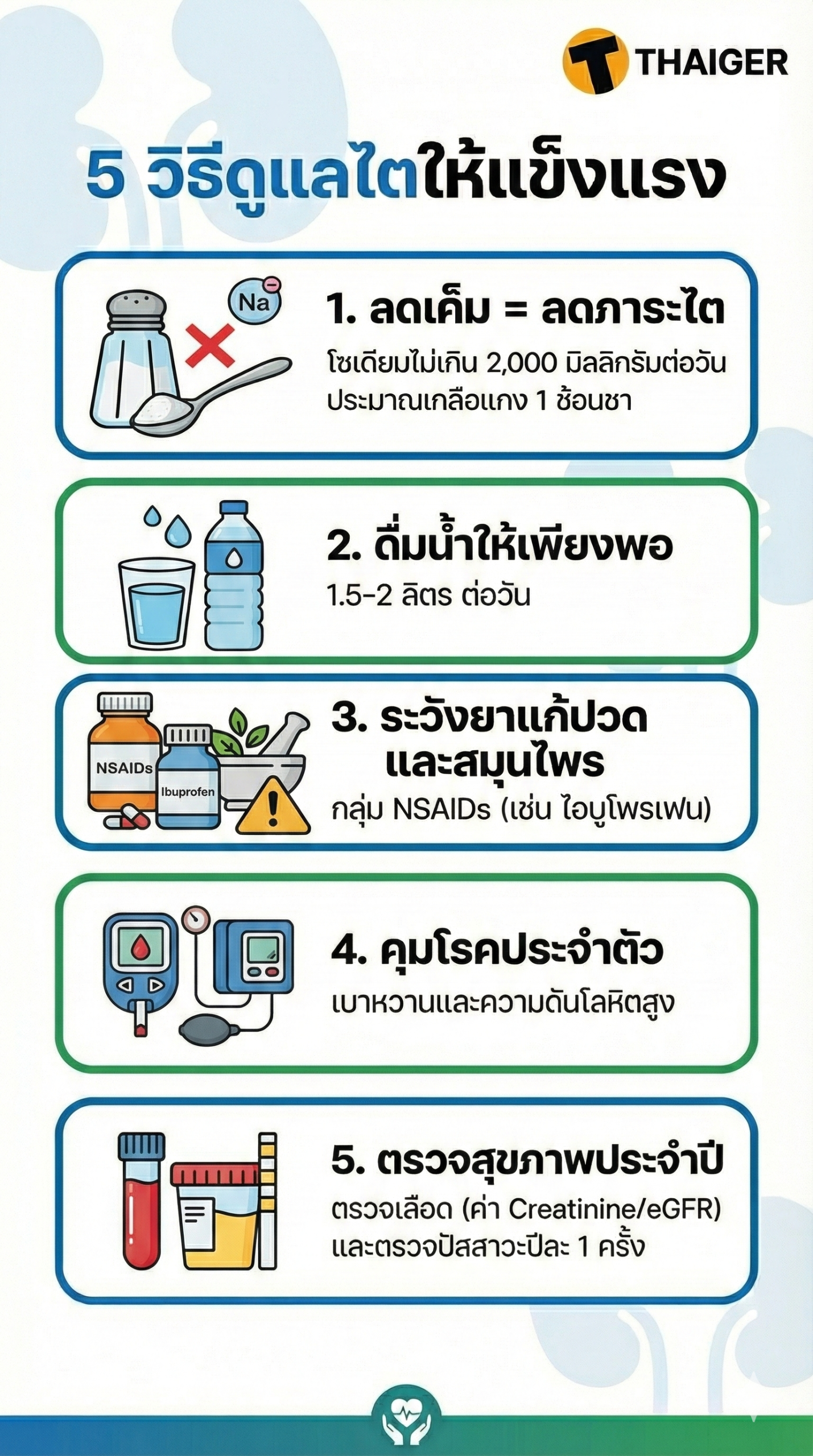
5 Ways to Keep Your Kidneys Healthy – Starting Today
Prevention is key when it comes to kidney health. Small lifestyle changes can significantly extend the life of your kidneys:
1. **Reduce Salt Intake:** High sodium levels put a strain on the kidneys. Limit processed foods, table salt, soy sauce, and seasonings. Aim for no more than 2,000 milligrams of sodium per day – roughly one teaspoon of salt.
2. **Stay Hydrated:** Drinking enough water is vital for kidney health. Aim for 8-10 glasses (approximately 1.5-2 liters) of water daily to help your kidneys flush out waste. However, individuals with existing kidney disease should consult their doctor about appropriate fluid intake.
3. **Be Cautious with Pain Relievers and Herbal Supplements:** Frequent use of nonsteroidal anti-inflammatory drugs (NSAIDs) like ibuprofen and naproxen can damage the kidneys. Similarly, unregulated herbal supplements and remedies can pose risks.
4. **Manage Existing Health Conditions:** Diabetes and high blood pressure are the leading causes of chronic kidney disease. If you have these conditions, diligently follow your doctor’s recommendations for medication and lifestyle management to keep blood sugar and blood pressure under control.
5. **Get Regular Checkups:** Don’t wait until you’re sick. Annual blood (creatinine/eGFR) and urine tests are the best way to monitor your kidney function.
“Encourage those you love to get their kidneys checked,” because healthy kidneys are the foundation of a long and healthy life.
Read related news
Follow The Thaiger on Google News:
