
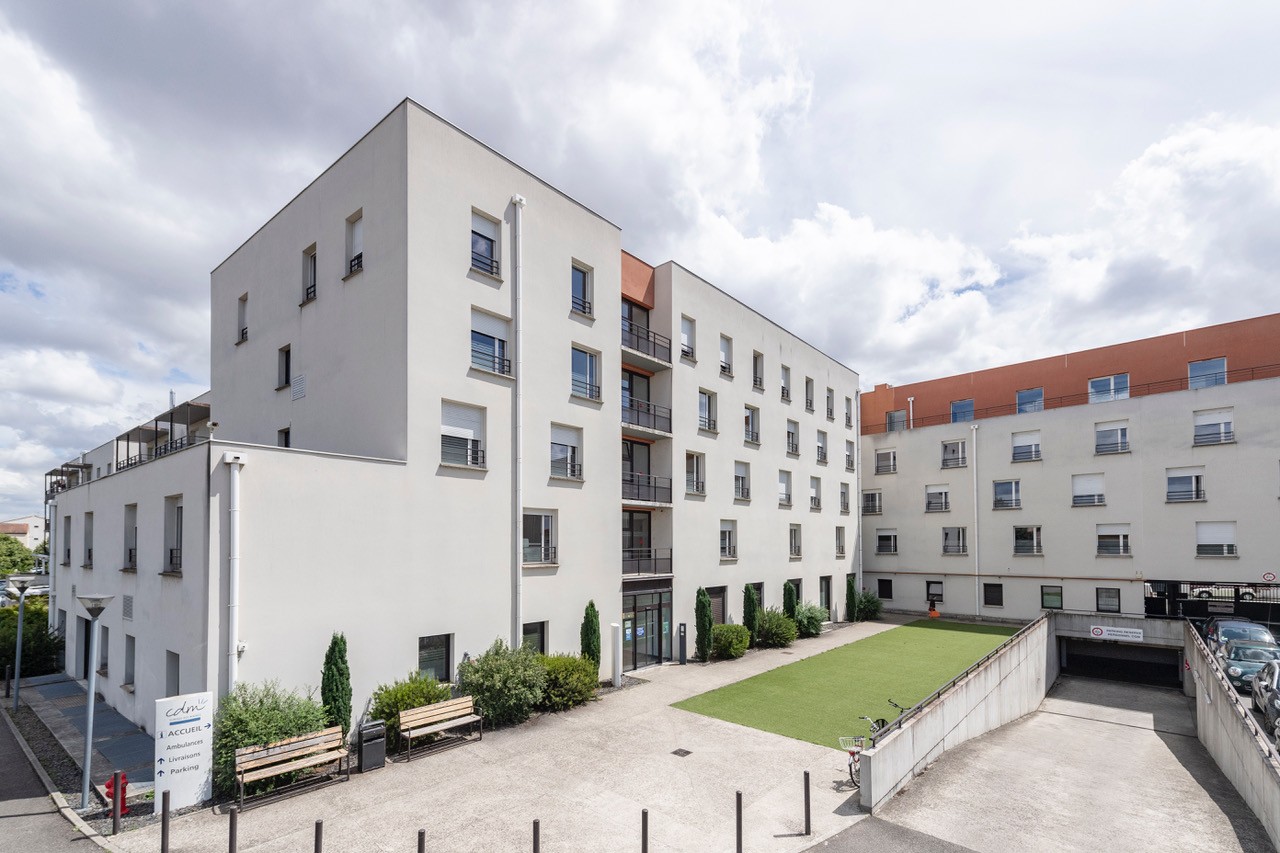
Toulouse, France – The Clinique des Minimes, a hospital in Toulouse authorized to provide public hospital services, is a key player in addressing the medical needs of an aging population. Established thirteen years ago, the clinic has focused its resources on the prevention and treatment of age-related illnesses, a growing concern for healthcare systems worldwide.
The clinic’s unique organization allows it to offer comprehensive care and preventative services for conditions associated with advanced age, setting it apart within the regional healthcare landscape. This specialization has solidified its position as a recognized leader in geriatric care in Occitanie.
Each year, the clinic’s teams provide care for nearly 1,600 patients and conduct over 15,000 consultations, directly contributing to improved quality of life for seniors and helping to prevent loss of independence. These numbers highlight the clinic’s significant role in supporting the health and well-being of older adults in the region.
“The Clinique des Minimes was built around a clear ambition: to offer a complete care pathway for the elderly, combining medical expertise, prevention, and support,” the clinic noted in its territorial impact assessment.
A Significant Employer in the Toulouse Health Ecosystem
Beyond its medical mission, the Clinique des Minimes is also a significant economic contributor to the Toulouse metropolitan area. Currently, the clinic employs 164 staff members, maintaining a ratio of approximately 1.1 healthcare professionals per bed or space. This staffing level supports the quality of patient care. Across the metropolitan area, these professionals represent nearly 4% of the health sector workforce, demonstrating the clinic’s substantial impact on the local health ecosystem.
The clinic also actively invests in training and skills development. In 2024, it hosted 117 students and trainees, contributing to the education of future healthcare professionals. “The establishment is fully committed to continuous training and supporting future professionals, in order to meet the growing needs related to the aging population,” according to clinic leadership.
Research, Innovation, and Territorial Cooperation
The Clinique des Minimes is also engaged in research related to the challenges of aging. Four of the clinic’s physicians serve as university hospital instructors, contributing to medical education and knowledge transfer. The clinic also collaborates on several scientific projects with the GCS CIPSE and the IHU HealthAge, organizations dedicated to innovation in healthcare.
The clinic actively participates in regional healthcare networks. It is a member of the Haute-Garonne and Tarn-Ouest Territorial Hospital Group (GHT), the Clinavenir network, and collaborates with local structures such as the CPTS Nougaro XIII-XV. This collaborative approach aims to improve care coordination and strengthen patient health pathways within the region.
Measured Economic Impact for the Metropolis
A territorial impact study conducted by the clinic highlights its contribution to the local economy. According to the study, every euro invested by the Clinique des Minimes generates 2.69 euros of economic returns for the territory, a figure higher than the national average observed in the hospital sector. These returns are driven by job creation, partnerships with local stakeholders, and operational expenses.
The clinic also plays an important societal role by regularly organizing public events focused on major public health issues. In 2024, 16 events were held, including those commemorating International Alzheimer’s Day, National Nutrition Week, and National Gerontology Days.
A Developing Health Hub in Northern Toulouse
The Clinique des Minimes is expanding its services by consolidating several departments on a single campus. The health campus now includes a recently France Santé-certified health center, a partner medical analysis laboratory, and a crèche operated by Mutualité Française Haute-Garonne, gradually establishing itself as a key destination for healthcare in the area.
To support this growth, the clinic has invested 4.4 million euros over the past five years to modernize its equipment and enhance its range of services. Given the ongoing demographic shift towards an aging population, the clinic intends to continue this trajectory of development.
