
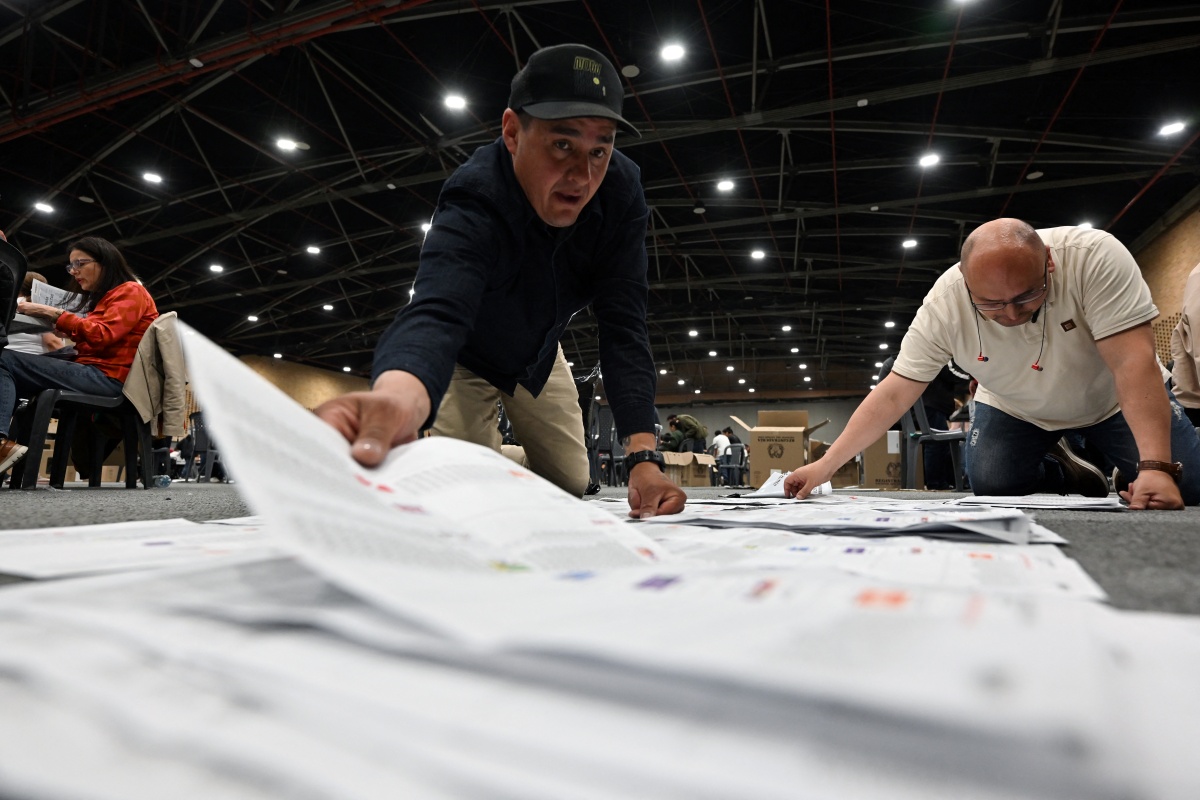
Colombians chose a new Congress on Sunday, in elections viewed as a key indicator ahead of presidential elections where the left-wing movement of current President Gustavo Petro hopes to maintain power.
The ruling coalition is seeking to strengthen its position in the legislature as the right-wing opposition, formerly the dominant political force in the country, aims to regain ground before the May 31 presidential vote.
Polling stations closed at 4:00 PM local time (9:00 PM GMT) on Sunday, with vote counting underway to determine the composition of the new 285-member Congress.
The election took place despite ongoing violence against political leaders in recent months, including the assassination of right-wing presidential candidate Miguel Uribe last year.
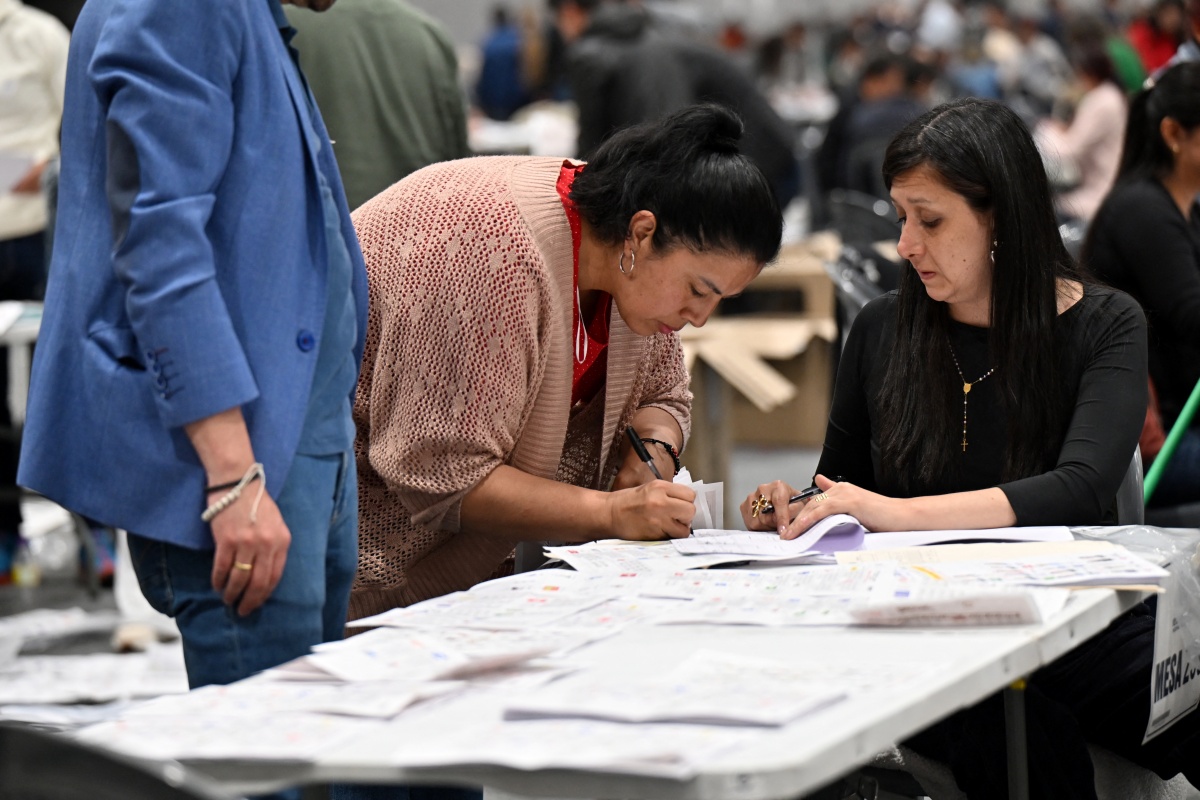
Voters assessed the performance of the current Congress, which approved some of President Petro’s ambitious reforms but rejected proposals to overhaul the healthcare system or implement tax increases to address a significant fiscal deficit.
Petro responded to legislative setbacks with large-scale public demonstrations, criticizing the Congress and contributing to a decline in public trust in the institution, which has been plagued by corruption scandals.
“I hope (the congressmen) are coherent with what they have said, that they are critical, that they do not remain silent, that they oversee things,” Ángela Álvarez, a 36-year-old cacao exporter, told AFP.
The newly elected Congress will take office on July 20, just weeks before the inauguration of Petro’s successor.
Senator Iván Cepeda, a prominent figure within the ruling leftist coalition, and Abelardo de la Espriella, a lawyer aligned with the right-wing, are currently leading in polls for the presidential election.
“Trabajo en equipo”
Political parties have increasingly turned to social media personalities in an effort to attract voters amid widespread public disillusionment.
Petro, who has warned of potential fraud due to shortcomings in the vote counting system, reported several alleged irregularities at polling stations.
Meanwhile, the Minister of Defense reported that approximately 2,400 individuals entered Colombia illegally from Venezuela despite border closures implemented on Saturday. This development raises concerns about potential interference in the electoral process.
Cepeda, the frontrunner in the presidential race, aims to continue the leftist reforms initiated by Petro, requiring a supportive Congress – a dynamic Petro did not consistently enjoy.
Citizens have expressed concerns about security in remote areas affected by armed groups and in urban centers.
“I am worried about security, walking in the street and not feeling safe,” said Liliana Torres, a 37-year-old economist.
Daniel Alfonso, 31, expressed a desire for cooperation between the next president and the legislature. “If (the future president) does not have support in Congress, it will be very complicated,” he said, noting that Petro proposed educational reforms that the legislature only partially approved.
Uribe de vuelta
The left-wing opposition has proposed constitutional changes, which analysts warn could lead to a concentration of power in the hands of the president.
Former President Álvaro Uribe (2002-2010), the most influential right-wing leader in recent decades, is running for the Senate in an attempt to mobilize voters who supported his hardline policies against guerrilla groups.
Uribe’s return to electoral politics comes after a court overturned a 12-year sentence of house arrest for bribery and procedural fraud in October.
As a candidate, he rejects Petro’s policy of “total peace,” which seeks to negotiate with illegal armed groups that have grown stronger instead of disarming.
In addition to the August assassination of Miguel Uribe, organizations like the UN reported at least 20 political leaders were murdered last year. The ongoing violence underscores the challenges to Colombia’s democratic processes.
