

Hidden Kitchen Risks and the Best Fruits for Colorectal Cancer Prevention
Common habits in the kitchen may be silently increasing the risk of colorectal cancer, according to health experts. While many focus on long-term genetic factors, the way food is prepared and the specific nutrients added to a daily diet can significantly influence gut health and cancer prevention.
The Danger of High-Temperature Cooking
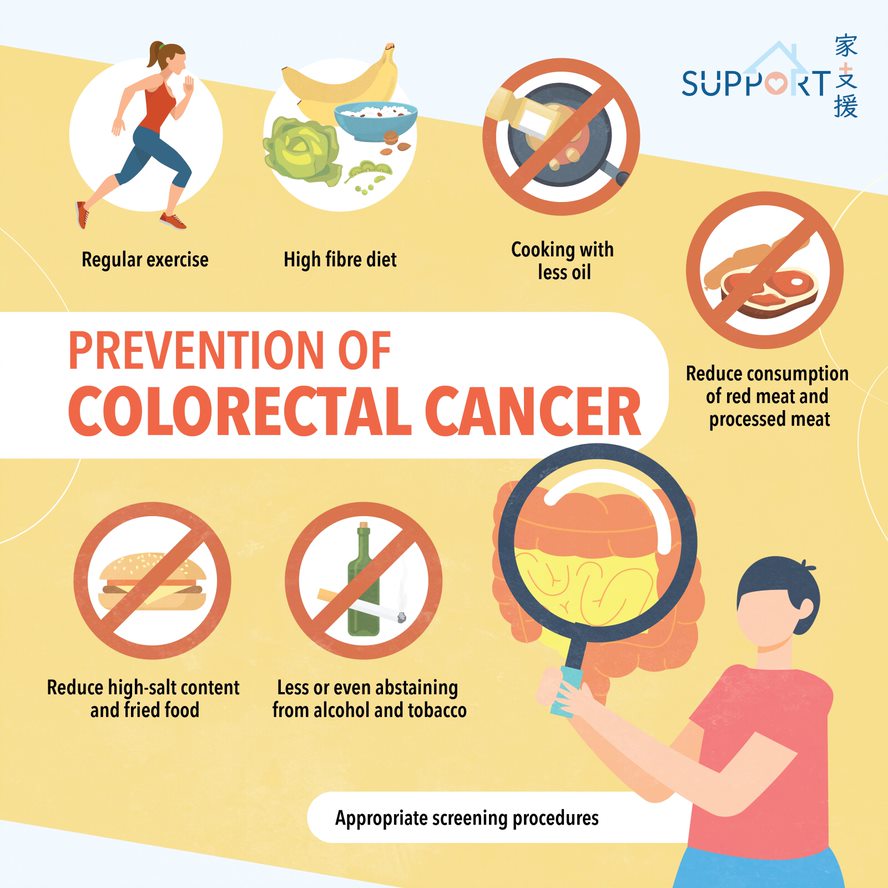
Medical experts warn that certain cooking methods—specifically frying or grilling foods at extremely high temperatures—can elevate the risk of developing colorectal cancer. When meats or starchy foods are subjected to intense heat, they can produce carcinogenic compounds. These substances can damage the lining of the colon and promote the growth of abnormal cells over time.
Reducing the frequency of charred or deep-fried foods is a critical step in minimizing these risks. This shift in cooking habits underscores the importance of mindful food preparation as a primary pillar of public health and preventative care.
Nutritional Defense: 5 Fruits to Protect Your Colon
While avoiding harmful cooking practices is essential, incorporating fiber-rich and antioxidant-heavy fruits can provide a protective layer for the digestive system. Internal medicine specialists recommend five specific fruits to help maintain a healthy colon and reduce cancer risk:
- Apples: Rich in pectin, a type of soluble fiber that helps regulate bowel movements and assists the body in flushing out toxins from the colon.
- Berries (such as Blueberries): These are packed with anthocyanins and other antioxidants that help reduce inflammation within the gut, creating an environment less conducive to cancer growth.
- Grapes: Containing resveratrol, grapes offer compounds that may help inhibit the proliferation of cancer cells.
- Citrus Fruits: High levels of Vitamin C and dietary fiber support the immune system and improve overall intestinal motility.
- Pears: Known for their high fiber and sorbitol content, pears aid digestion and reduce the amount of time potential carcinogens remain in contact with the colon wall.
Integrating these fruits into a balanced diet can help mitigate some of the risks associated with modern dietary habits. These nutritional choices, combined with safer cooking techniques, offer a proactive strategy for long-term colorectal health.
