

The Other Yellow Jersey: How Rapeseed Fields are Challenging the Tour de Romandie Peloton
The Tour de Romandie is renowned for its grueling climbs and strategic battles, but as the race carves through the landscape, a different kind of yellow is dominating the scenery. While the riders fight for the prestige of the leader’s jersey, they are surrounded by a sprawling, vibrant sea of rapeseed fields that have transformed the region into a golden corridor.
For the spectators and photographers, the blooming rapeseed provides a stunning backdrop to the elite competition. While, for the athletes pushing their aerobic limits, this visual spectacle is far from a luxury. The same blooms that create the striking scenery release vast amounts of pollen, turning the air into a respiratory challenge for the peloton.
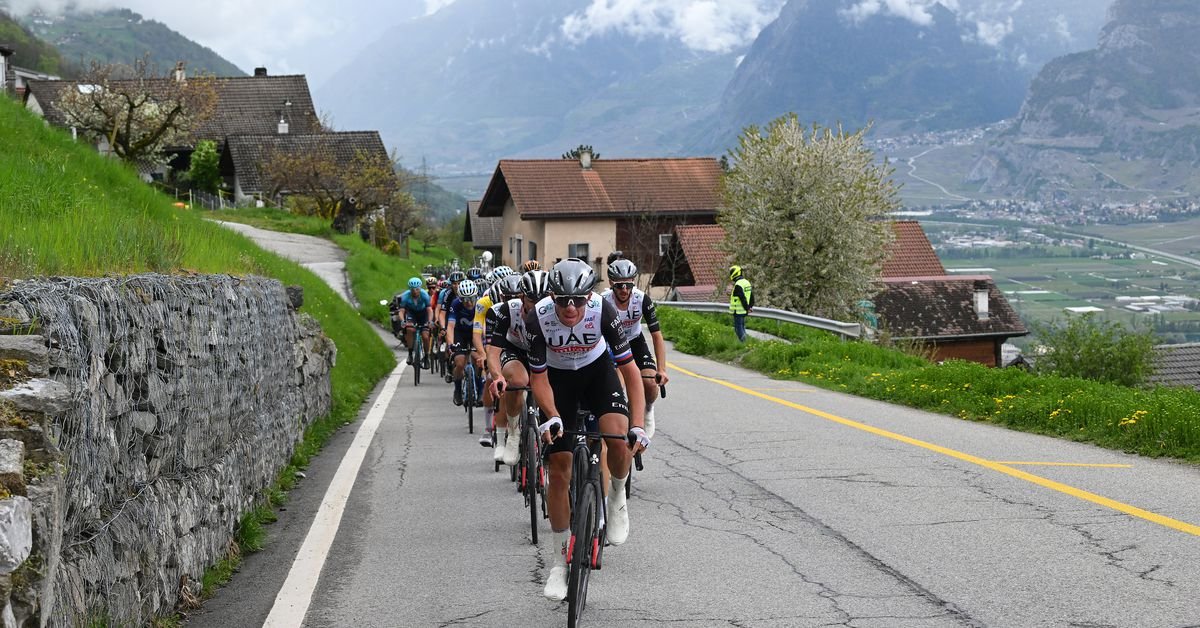
The physical toll is significant; the high concentration of pollen can irritate the airways and complicate breathing for cyclists who are already operating at maximum capacity. This environmental factor adds an invisible layer of difficulty to the race, as riders must contend with allergic reactions and labored breathing while navigating the demanding terrain of the Tour de Romandie.
While the cyclists may dread the pollen, the local agricultural community views these yellow expanses as a vital treasure. Rapeseed is a powerhouse crop for farmers, serving as a primary source for vegetable oil and high-protein animal feed. The economic value of these fields represents a different kind of victory—one measured in harvest yields and agricultural sustainability rather than podium finishes.
This intersection of elite sport and agriculture creates a unique tension on the road. The landscape becomes a duality: a lucrative asset for the farmer and a biological obstacle for the cyclist. As the race progresses, the vibrant yellow landscape serves as a constant reminder that the environment is often as much of an opponent as the other riders in the pack.
