
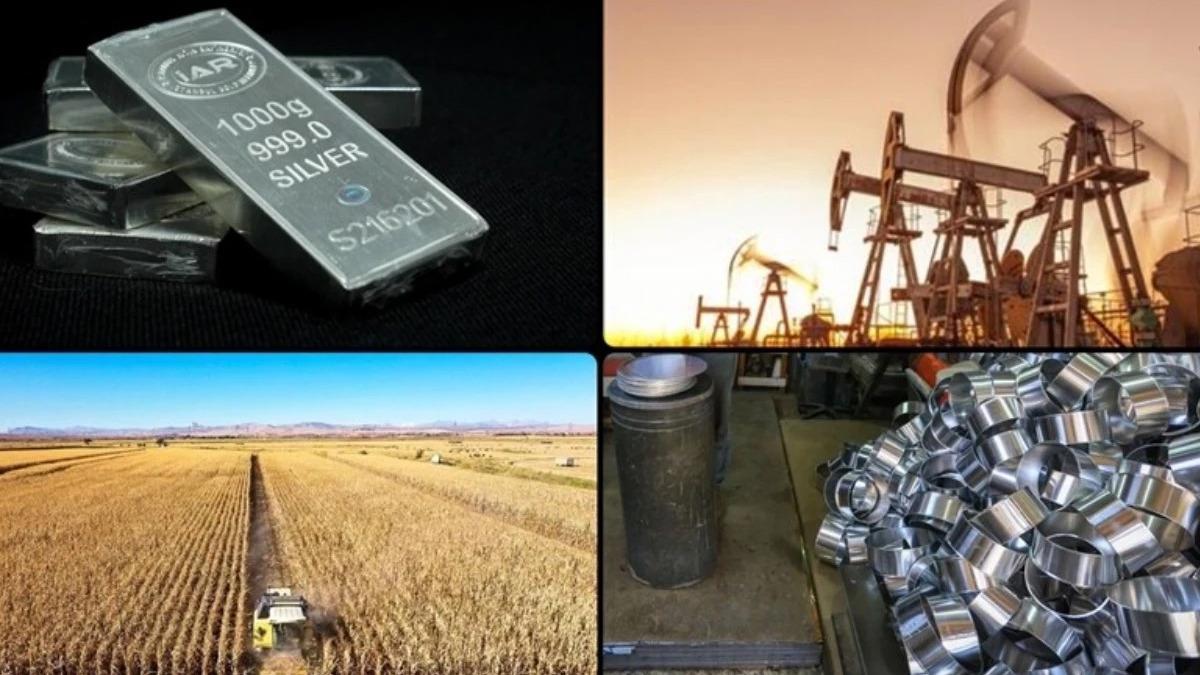
Commodity markets experienced significant volatility on Sunday, April 26, 2026, as rising oil prices contrasted with declining metal values amid ongoing geopolitical tensions in the Middle East. Concerns over supply disruptions through the Strait of Hormuz continued to influence trading patterns, with investors closely monitoring developments in U.S.-Iran relations.
Energy prices moved higher as market participants reacted to the risk of reduced maritime traffic through the critical waterway, which remains a key chokepoint for global oil shipments. The upward pressure on crude prices contributed to growing inflation expectations, particularly as energy costs filter through to broader economic indicators.
Meanwhile, precious and industrial metals faced downward pressure, driven by a strengthening U.S. Dollar and expectations surrounding upcoming Federal Reserve interest rate decisions. Traders noted that the combination of a firmer dollar and anticipation of monetary policy shifts weighed on demand for dollar-denominated commodities.
Market analysts observed that the focus of investors had shifted toward central bank policy signals, with particular attention on the Fed’s forthcoming rate announcement. This shift in focus came amid a broader climate of caution, as geopolitical uncertainty continued to affect risk appetite across global financial markets.
The situation underscored the sensitivity of commodity flows to regional stability, especially in energy markets where even the perception of supply constraints can trigger immediate price reactions. As diplomatic talks between Washington and Tehran remained unresolved, market participants remained vigilant for any signs of escalation or de-escalation that could alter the near-term outlook for energy and metals pricing.
