
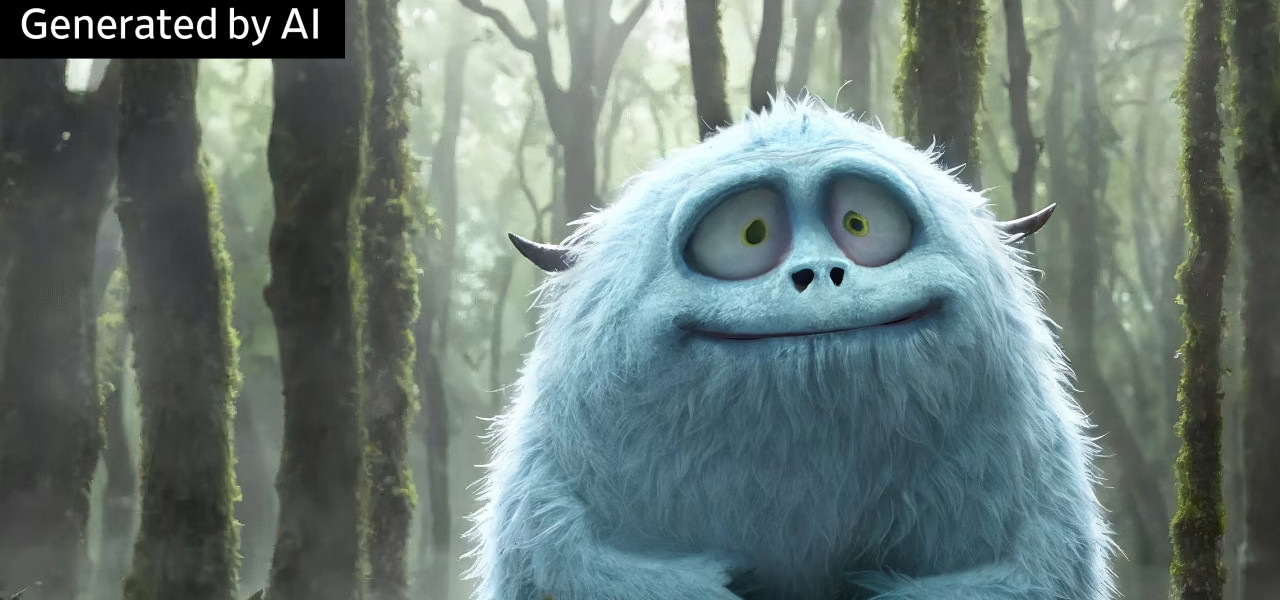
The animation industry is rapidly evolving thanks to advancements in AI,but how will these changes affect your workflow,job security,and creative potential? This article explores the potential future of AI in animation,offering insights into new trends,ethical considerations,and opportunities for animators to thrive in an AI-driven world. discover how embracing AI tools can enhance your skills and unlock innovative storytelling possibilities in this exciting new era.
“`html
Table of Contents
The animation industry is on the cusp of a significant transformation,driven by the rapid advancements in Artificial Intelligence (AI). The emergence of AI-powered tools is reshaping how animated content is created, distributed, and consumed. This article delves into the potential future trends, challenges, and opportunities that lie ahead for animators, studios, and audiences alike.
The Rise of AI in Animation Production
Generative AI is poised to revolutionize animation workflows.AI can automate tasks such as character design,animation,and background creation,potentially reducing production time and costs. The recent backing of the animated film “Critterz” by OpenAI, which will heavily rely on AI for its production, exemplifies this trend. This project aims to create a feature-length film in a fraction of the time and budget traditionally required [[1]].
Pro Tip: Animators should embrace AI tools to enhance their skills and explore new creative possibilities. Learning how to effectively use AI-powered software can provide a competitive edge in the evolving industry.
Impact on the Animation workforce
the integration of AI in animation raises concerns about job displacement. While AI can automate certain tasks, it also creates new roles, such as AI specialists and prompt engineers. The key for animators is to adapt and upskill to remain relevant. Those who stay updated on new technologies and trends will continue to have a valuable role [[1]]. Though, a recent report suggests that AI could disrupt a significant number of jobs in the coming years [[3]].
Did you know? The animation industry is already seeing AI being used in various stages of production, from pre-visualization to final rendering. This trend is expected to accelerate in the coming years.
Creative and Ethical Considerations
The use of AI in animation also raises ethical questions. Concerns about copyright infringement, the use of artists’ work without consent, and the potential for AI-generated content to lack originality are valid. Studios are already facing legal challenges related to AI-generated images. The industry must establish clear guidelines and ethical standards to ensure fair practices and protect artists’ rights.
Reader Question: How can the animation industry ensure that AI is used responsibly and ethically?
Future Trends and Opportunities
Several key trends will shape the future of AI in animation. These include:
- Enhanced Realism: AI-powered tools will enable more realistic and detailed animation,blurring the lines between animation and live-action.
- Personalized Content: AI can create personalized animated content tailored to individual viewers’ preferences.
- Interactive Animation: AI will facilitate the progress of interactive animated experiences, such as games and virtual reality applications.
The animation industry is at a crossroads. While AI presents challenges,it also offers unprecedented opportunities for creativity and innovation.by embracing new technologies, adapting to changing workflows, and addressing ethical concerns, animators and studios can thrive in the AI-driven future.
FAQ
Q: Will AI replace animators?
A: AI will likely automate some tasks, but animators who adapt and upskill will remain essential.
Q: what are the ethical concerns of AI in animation?
A: Copyright infringement, the use of artists’ work without consent, and the potential for a lack of originality.
Q: How can animators prepare for the future?
A: Learn to use AI tools, stay updated on industry trends, and focus on developing unique creative skills.
Q: What are the potential benefits of AI in animation?
A: Faster production times, reduced costs, and new creative possibilities.
Q: What is the future of animation?
A: The future of animation will be a blend of human creativity and AI-powered tools, leading to more innovative and engaging content.
Q: How can I stay informed about the latest developments in AI and animation?
A: Subscribe to industry newsletters, follow relevant blogs and social media accounts, and attend industry events.
Q: What are some examples of AI being used in animation today?
A: AI is being used for character design, animation, background creation, and even generating entire scenes.
Q: What are the potential downsides of AI in animation?
A: Job displacement, ethical concerns, and the potential for a lack of originality.
Q: How can the animation industry ensure that AI is used responsibly?
A: Establish clear guidelines and ethical standards, protect artists’ rights, and promote openness.
Q: What are the key skills that animators will need in the future?
A: Technical proficiency with AI tools, creative problem-solving, and the ability to collaborate with AI systems.
Q: What are some of the most exciting applications of AI in animation?
A: Personalized content, interactive animation, and enhanced realism.
Q: How will AI change the way animated stories are told?
A: AI will enable new forms of storytelling, allowing for more dynamic and interactive narratives.
Q: What role will human animators play in the future?
A: Human animators will continue to be essential for their creative vision, artistic skills, and ability to guide and refine AI-generated content.
Q: How can I learn more about AI in animation?
A: Explore online courses, attend workshops, and read industry publications.
Q: What are the biggest challenges facing the animation industry today?
A: Adapting to AI, protecting artists’ rights, and ensuring ethical practices.
Q: What are the biggest opportunities for animators in the future?
A: Creating innovative content, exploring new creative possibilities, and collaborating with AI systems.
Q: How can I get started in animation?
A: Learn the fundamentals of animation,build a portfolio,and network with industry professionals.
Q: What are the best resources for learning about AI in animation?
A: Online courses, industry blogs, and professional organizations.
Q: How can I stay ahead of the curve in the animation industry?
A: Continuously learn new skills, embrace new technologies, and network with industry professionals.
Q: What is the future of animation education?
A: Animation education will need to incorporate AI training and focus on developing creative and technical skills.
Q: How will AI impact the animation industry’s diversity and inclusion efforts?
A: AI could potentially increase diversity and inclusion by providing more opportunities for artists from underrepresented backgrounds.
Q: What are the long-term implications of AI in animation?
A: AI will transform the animation industry, leading to new forms of storytelling, creative expression, and audience engagement.
Q: How can I protect my work from AI-related copyright issues?
A: Register your work with copyright agencies, use watermarks, and stay informed about legal developments.
Q: What are the key differences between conventional animation and AI-assisted animation?
A: AI-assisted animation involves using AI tools to automate certain tasks, while traditional animation relies on manual techniques.
Q: How can I find a mentor in the animation industry?
A: Attend industry events, join professional organizations, and reach out to animators whose work you admire.
Q: What are the best animation software programs for beginners?
A: Blender, Toon Boom Harmony, and Adobe Animate.
Q: How can I build a strong animation portfolio?
A: Showcase your best work,demonstrate your skills,and highlight your unique style.
Q: What are the most important skills for an animator to have?
A: Drawing, storytelling, animation principles, and technical proficiency.
Q: how can I network with other animators?
A: Attend industry events, join online communities, and connect with animators on social media.
Q: What are the different types of animation?
A: 2D animation, 3D animation, stop-motion animation, and motion graphics.
Q: How can I improve my animation skills?
A: Practise regularly,study animation principles,and seek feedback from other animators.
Q: What are the best animation schools?
A: CalArts, Gnomon School of Visual Effects, and Sheridan College.
Q: How can I find animation jobs?
A: Search online job boards, network with industry professionals, and build a strong portfolio.
Q: What are the different roles in the animation industry?
A: Animator, character designer, storyboard artist, and visual effects artist.
Q: How can I stay motivated as an animator?
A: Set goals, celebrate your achievements, and stay passionate about your work.
Q: What are the biggest challenges facing animators today?
A: Competition, tight deadlines, and the need to constantly learn new skills.
Q: What are the biggest rewards of being an animator?
A: Creative expression, the opportunity to tell stories, and the satisfaction of bringing characters to life.
Q: How can I use AI to improve my animation workflow?
A: Use AI tools for character design, animation, background creation, and other tasks.
Q: What are the best AI tools for animators?
A: Midjourney, Stable Diffusion, and RunwayML.
Q: How can I learn to use AI tools for animation?
A: Take online courses, watch tutorials, and experiment with different AI tools.
Q: How can I protect my intellectual property when using AI?
A: Register your work with copyright agencies, use watermarks, and understand the terms of service of the AI tools you use.
Q: What are the legal and ethical considerations of using AI in animation?
A: Copyright infringement, the use of artists’ work without consent, and the potential for a lack of originality.
Q: How can I stay informed about the latest developments in AI and animation?
A: Follow industry blogs, subscribe to newsletters, and attend industry events.
Q: What are the key skills that animators will need in the future?
A: Technical proficiency with AI tools, creative problem-solving, and the ability to collaborate with AI systems.
Q: How will AI change the way animated stories are told?
A: AI will enable new forms of storytelling, allowing for more dynamic and interactive narratives.
Q: What role will human animators play in the future?
A: Human animators will continue to be essential for their creative vision, artistic skills, and ability to guide and refine AI-generated content.
Q: How can I get started in animation?
A: Learn the fundamentals of animation, build a portfolio, and network with industry professionals.
Q: What are the best resources for learning about AI in animation?
A: Online courses, industry blogs, and professional organizations.
Q: How can I stay ahead of the curve in the animation industry?
A: Continuously learn new skills,embrace new technologies,and network with industry professionals.
Q: What is the future of animation education?
A: Animation education will need to incorporate AI training and focus on developing creative and technical skills.
Q: How will AI impact the animation industry’s diversity and inclusion efforts?
A: AI could potentially increase diversity and inclusion by providing more opportunities for artists from underrepresented backgrounds.
Q: What are the long-term implications of AI in animation?
A: AI will transform the animation industry, leading to new forms of storytelling, creative expression, and audience engagement.
Q: How can I protect my work from AI-related copyright issues?
A: Register your work with copyright agencies, use watermarks, and stay informed about legal developments.
Q: What are the key differences between traditional animation and AI-assisted animation?
A: AI-assisted animation involves using AI tools to automate certain tasks, while traditional animation relies on manual techniques.
Q: How can I find a mentor in the animation industry?
A: Attend industry events, join professional organizations, and reach out to animators whose work you admire.
Q: What are the best animation software programs for beginners?
A: Blender, Toon Boom Harmony, and Adobe Animate.
Q: How can I build a strong animation portfolio?
A: Showcase your best work, demonstrate your skills, and highlight your unique style.
Q: What are the most important skills for an animator to have?
A: Drawing, storytelling, animation principles, and technical proficiency.
Q: How can I network with other animators?
A: Attend industry events, join online communities, and connect with animators on social media.
Q: What are the different types of animation?
A: 2D animation, 3D animation, stop-motion animation, and motion graphics.
Q: How can I improve my animation skills?
A: Practice regularly, study animation principles, and seek feedback from other animators.
Q: What are the best animation schools?
A: CalArts, Gnomon School of Visual Effects, and Sheridan College.
Q: How can I find animation jobs?
A: Search online job boards, network with industry professionals, and build a strong portfolio.
Q: what are the different roles in the animation industry?
A: Animator, character designer, storyboard artist, and visual effects artist.
Q: how can I stay motivated as an animator?
A: Set goals, celebrate your achievements, and stay passionate about your work.
Q: What are the biggest challenges facing animators today?
A: Competition, tight deadlines, and the need to constantly learn new skills.
Q: What are the biggest rewards of being an animator?
A: Creative expression, the opportunity to tell stories, and the satisfaction of bringing characters to life.
Q: How can I use AI to improve my animation workflow?
A: Use AI tools for character design, animation, background creation, and other tasks.
Q: What are the best AI tools for animators?
A: Midjourney, Stable Diffusion, and RunwayML.
Q: How can I learn to use AI tools for animation?
A: take online courses, watch tutorials, and experiment with different AI tools.
Q: How can I protect my intellectual property when using AI?
A: Register your work with copyright agencies, use watermarks, and understand the terms of service of the AI tools you use.
Q: What are the legal and ethical considerations of using AI in animation?
A: Copyright infringement, the use of artists’ work without consent, and the potential for a lack of originality.
Q: How can I stay informed about the latest developments in AI and animation?
A: Follow industry blogs, subscribe to newsletters, and attend industry events.
Q: What are the key skills that animators will need in the future?
A: Technical proficiency with AI tools, creative problem-solving, and the ability to collaborate with AI systems.
Q: How will AI change the way animated stories are told?
A: AI will enable new forms of storytelling, allowing for more dynamic and interactive narratives.
Q: What role will human animators play in the future?
A: Human animators will continue to be essential for their creative vision,artistic skills,and ability to guide and refine AI-generated content.
Q: How can I get started in animation?
A: Learn the fundamentals of animation, build a portfolio, and network with industry professionals.
Q: What are the best resources for learning about AI in animation?
A: Online courses, industry blogs, and professional organizations.
Q: How can I stay ahead of the curve in the animation industry?
A: Continuously learn new skills, embrace new technologies, and network with industry professionals.
Q: What is the future of animation education?
A: Animation education will need to incorporate AI training and focus on developing creative and technical skills.
Q: How will AI impact the animation industry’s diversity and inclusion efforts?
A: AI could potentially increase diversity and inclusion by providing more opportunities for artists from underrepresented backgrounds.
Q: What are the long-term implications of AI in animation?
A: AI will transform the animation industry,leading to new forms of storytelling,creative expression,and audience engagement.
Q: How can I protect my work from AI-related copyright issues?
A: Register your work with copyright agencies, use watermarks, and stay informed about legal developments.
Q: What are the key differences between traditional animation and AI-assisted animation?
A: AI-assisted animation involves using AI tools to automate certain tasks, while traditional animation relies on manual techniques.
Q: How can I find a mentor in the animation industry?
A: Attend industry events, join professional organizations, and reach out to animators whose work you admire.
Q: What are the best animation software programs for beginners?
A: Blender, Toon Boom Harmony, and Adobe animate.
Q: How can I build a strong animation portfolio?
A: Showcase your best work, demonstrate your skills, and highlight
