
Cuban health officials are reporting encouraging signs in the fight against a recent surge in mosquito-borne illnesses. Cases of dengue and chikungunya are declining across the island nation as public health interventions appear to be taking effect, though some provinces remain areas of concern [[1]]. The optimistic assessment, shared during a meeting led by President Miguel Díaz-Canel Bermúdez, highlights a proactive approach to protecting vulnerable populations – particularly pregnant women and children – from the possibly severe effects of these arboviruses.
Cuban health officials are optimistic that the country’s current outbreak of mosquito-borne viral diseases, known collectively as arboviruses, will be under control by early in the new year. This news comes as cases of dengue and chikungunya begin to decline across the island nation, offering a hopeful sign for public health.
The prediction was made by Raúl Guinovart Díaz, director of Science and Technology at the University of Havana, during a weekly meeting of health experts convened by President Miguel Díaz-Canel Bermúdez to discuss strategies for combating these illnesses. According to Guinovart Díaz, incidence rates are decreasing in most regions, though the provinces of La Tunas and Holguín, as well as the Isle of Youth municipality, are still reporting a slight increase in cases.
Public Health Deputy Minister Carilda Peña García confirmed a 25.8% decrease in reported fever syndromes compared to the previous week. “All provinces are showing a decrease in reports, although they remain in an epidemic state,” she stated. Matanzas, where the initial outbreak of chikungunya began in Cuba, is reportedly “on a path to success,” according to epidemiological terms.
Health facilities across the country have seen 5,638 fewer patients presenting with fever syndromes over the past seven days, a key indicator of the epidemic’s waning intensity for both dengue and chikungunya. This decline suggests that current public health interventions are proving effective.
Officials are also prioritizing the care of pregnant women, with over 93% of those at 37 weeks gestation currently admitted to healthcare facilities. This proactive measure aims to protect both mothers and their babies, who are considered the most vulnerable population during an arbovirus outbreak. Protecting vulnerable populations is a key component of effective epidemic control.
Currently, 27 patients are in critical condition receiving intensive care, with children representing the largest proportion of these cases. However, doctors are encouraged by an increased awareness of risk among parents, leading to earlier presentations for medical care and improved prognoses for those requiring hospitalization.
“As of this moment, and if this trend continues, we could close the year without any maternal deaths due to arboviruses in the country,” said Dr. Ailuj Casanova Barreto, National Director of Primary Health Care.
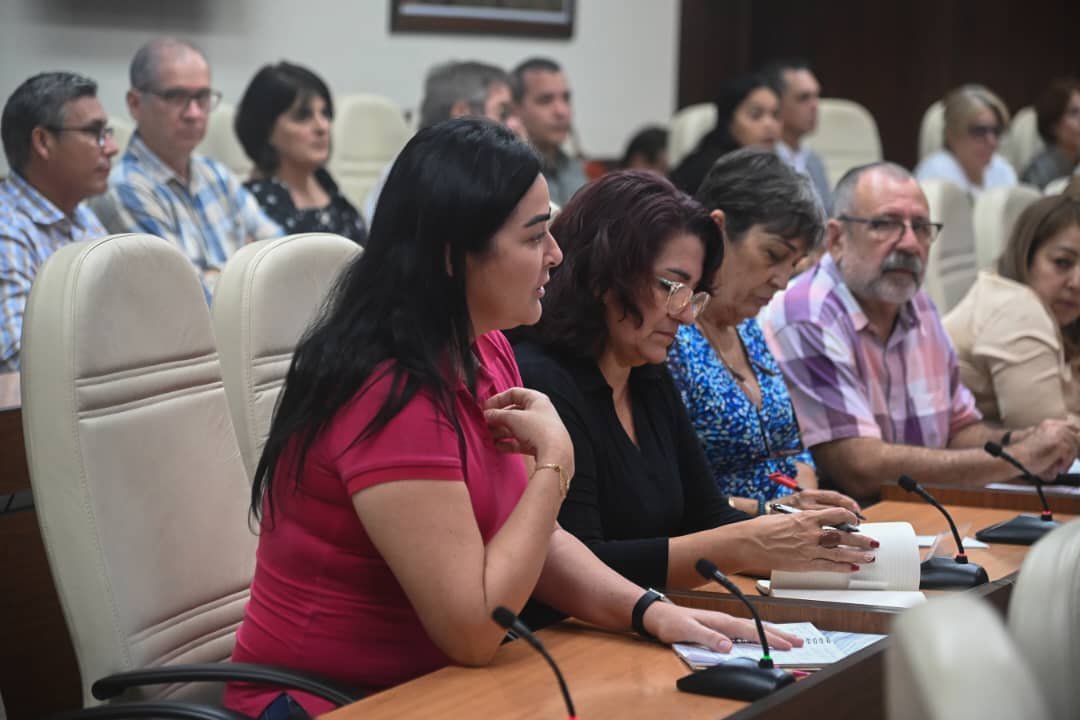
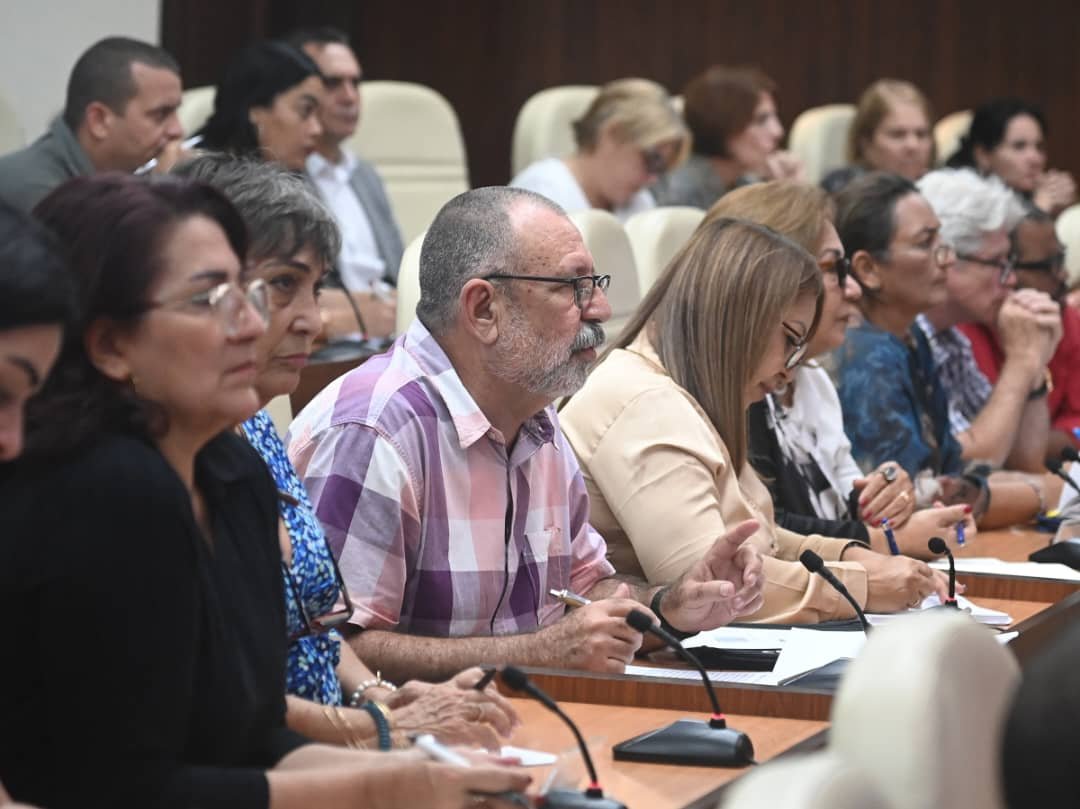
The meeting, which included Prime Minister Manuel Marrero Cruz, also addressed advancements in the long-term care of patients experiencing chronic symptoms of chikungunya. New multidisciplinary clinics are being established, offering specialized care in areas such as Physical Medicine and Rehabilitation, Pediatrics, Natural and Traditional Medicine, Internal Medicine, and Psychology.
In Matanzas, over 5,000 patients have been treated at these clinics, with nearly 60% requiring some form of rehabilitation services. This highlights the importance of comprehensive, multidisciplinary care for those recovering from chikungunya and underscores the need for these services to be available throughout the country.
