

Tiger Mosquitoes Set for Spring Return in Alpes-Maritimes; Health Experts Urge Early Prevention
Medical entomologists are warning that the first adult tiger mosquitoes are expected to reappear in the Alpes-Maritimes region around April 20, 2026. This anticipated return comes after a winter characterized by significant rainfall and mild temperatures, creating an environment conducive to the insect’s proliferation.
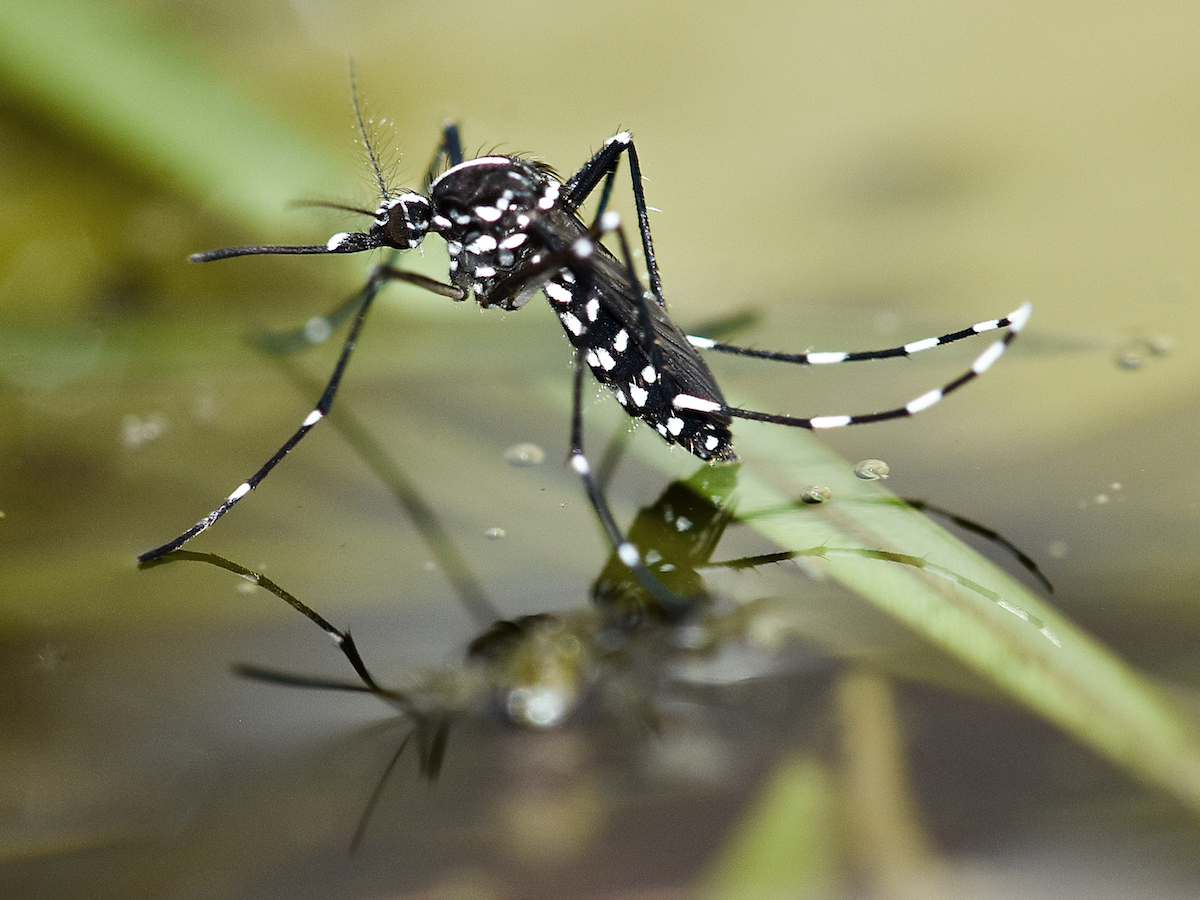
According to Grégory L’Ambert, a medical entomologist, the weather patterns in February and early March—which saw rainfall and average temperatures slightly above normal—benefited the winter mosquito, Aedes detritus. This species saw a higher rate of egg hatching due to increased flooding. While the tiger mosquito (Aedes albopictus) is not currently present in its adult form except in exceptional cases, it is expected to fully resume its activity in May.
The return of these insects is a significant public health concern because the tiger mosquito is capable of transmitting tropical diseases, including Zika, chikungunya, and dengue. The region has previously faced these threats; six months ago, the Alpes-Maritimes was the most significant hotspot for chikungunya. In September 2024, the Regional Health Agency (ARS) had to implement emergency fumigation operations in Menton and Monaco after at least one patient contracted dengue.
Public health officials emphasize that the fight against the proliferation of mosquitoes must start immediately to limit the summer invasion. Because the female tiger mosquito can lay eggs throughout the year, the critical window for intervention is mid-to-late spring when temperatures rise and eggs encounter water, triggering their transition into larvae.
Experts suggest that community-wide vigilance is essential, as managing the mosquito population is a collective responsibility rather than one solely for local authorities. Effective prevention strategies include hunting and destroying larvae and eggs to stop the colonization process. Simple household habits, such as emptying plant saucers weekly, can significantly reduce the number of mosquitoes on residential terraces.
For those seeking technological solutions, new innovations such as connected terminals have been introduced, promising to protect garden areas of up to 750 square meters without the use of chemicals.
These preventative measures are vital to reducing the risk of disease transmission and minimizing the need for large-scale chemical interventions by health agencies. As the region approaches the April 20 emergence date, early action remains the most effective tool for public health safety.
