
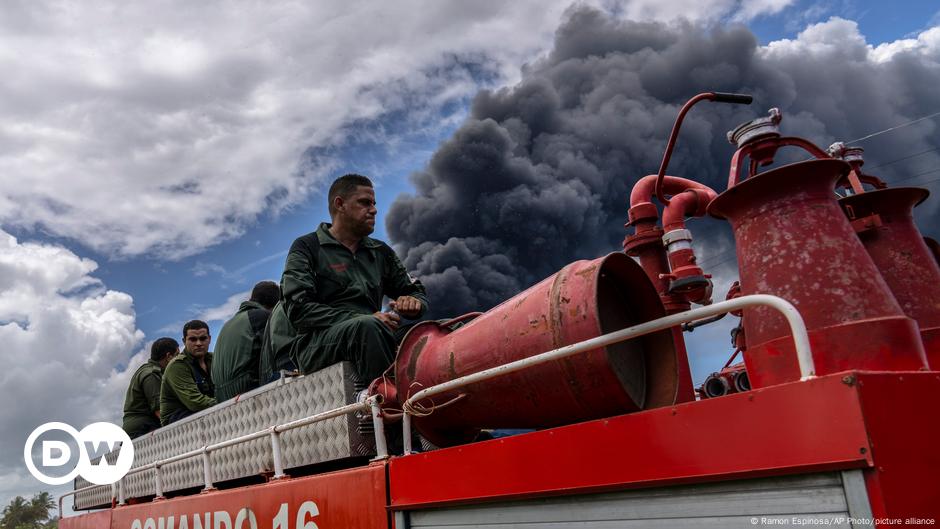
A fire that broke out on Friday, February 13, 2026, at the oil refinery in Havana is now under control, Cuban authorities reported. The blaze, which occurred near where two tankers were docked, produced large flames and a thick plume of black smoke visible across the bay, according to eyewitness accounts.
“Controlled fire that occurred this afternoon in one of the warehouses located at the ‘Ñico López’ Refinery,” the Ministry of Energy and Mines stated on its X (formerly Twitter) account. “The causes are under investigation,” the ministry added.
The Ñico López refinery is one of three in Cuba, an aging energy facility nationalized in 1960. It is capable of processing both heavy domestic crude oil and imported petroleum. The incident comes as Cuba faces a severe economic and energy crisis, exacerbated by pressure from Washington.
On Thursday, February 12, 2026, two ships from the Mexican Navy docked in the same bay, delivering more than 800 tons of humanitarian aid to the island nation. The aid arrives after the end of oil shipments from Venezuela following the political changes there significantly worsened the situation.
Emergency Plan in Effect
The Cuban government implemented an emergency plan on Monday, February 9, 2026, to conserve energy. The plan includes restrictions on fuel sales and a four-day workweek, running from Monday to Thursday. The island has been experiencing prolonged daily power outages since mid-2024, which have intensified in recent months due to frequent breakdowns at its thermoelectric plants and a lack of foreign exchange to import sufficient fuel.
Cuba has a history of fires at oil facilities. In August 2022, a major fire erupted at the Matanzas supertanker base, the country’s primary strategic reserve infrastructure, after being struck by lightning. It took a week to control the blaze, with assistance from Mexico and Venezuela. Seventeen people lost their lives in that disaster. This latest incident highlights the vulnerability of Cuba’s aging energy infrastructure and its ongoing struggles to secure reliable fuel supplies.
DZC (AFP, EFE)
