
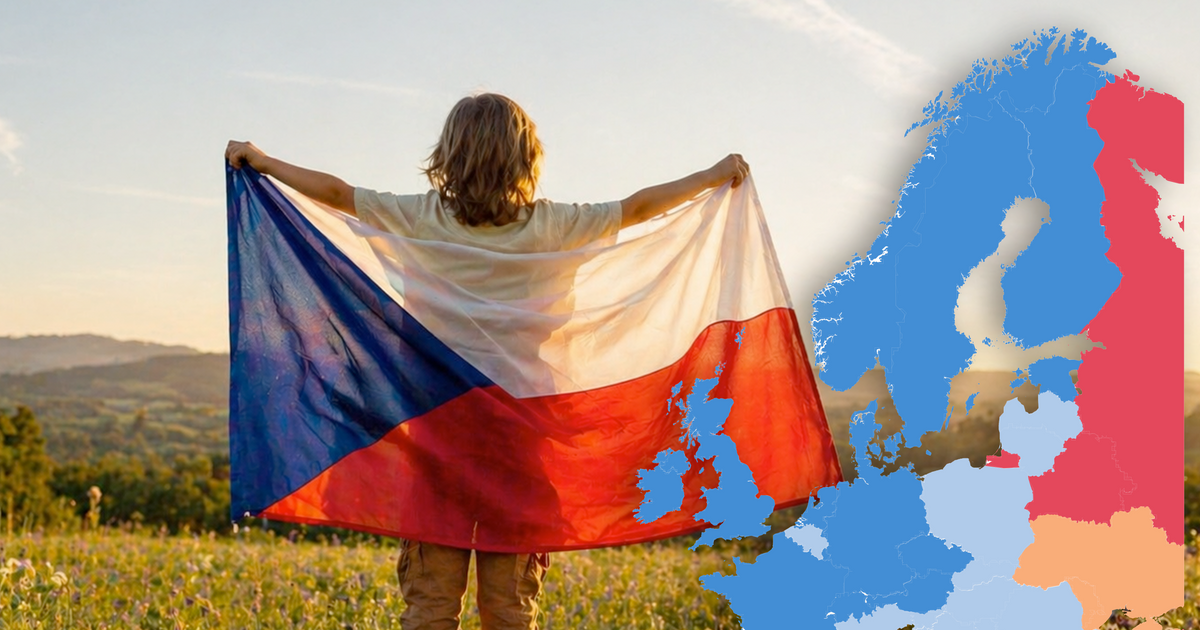
The narrative that populist leadership inevitably triggers a sharp decline in democratic health may not align with the data in the Czech Republic. According to the latest findings from the Economist Intelligence Unit (EIU) Democracy Index, the country’s democratic standing remained surprisingly stable despite the transition from the populist administration of Andrej Babiš to the current government led by Petr Fiala.
The results challenge common political assumptions regarding the impact of leadership styles on institutional integrity. Whereas the tenure of Andrej Babiš, who served as Prime Minister from 2017 to 2021, was frequently characterized by critics as a period of democratic erosion, the EIU index does not reflect a significant collapse in scores during that window. Similarly, the subsequent administration under Petr Fiala has not overseen a dramatic surge in the country’s democratic ranking.
This stability suggests a level of institutional resilience within the Czech state, indicating that the country’s democratic frameworks may be more resistant to individual political leadership than previously thought. This development underscores a broader pattern in Central Europe, where the tension between populist movements and established democratic norms continues to shape regional stability.
Throughout both administrations, the Czech Republic has remained categorized as a flawed democracy
. This designation is common among several nations in the region and indicates a system where elections are fair and basic civil liberties are respected, but significant weaknesses persist in governance and political culture.
The EIU determines these rankings by analyzing five key pillars of a functioning democracy:
- The electoral process and pluralism
- The actual functioning of the government
- Levels of political participation
- The prevailing political culture
- The protection of civil liberties
The lack of a sharp divergence between the Babiš and Fiala eras suggests that the systemic issues contributing to the flawed democracy
label are deeply rooted and not solely the result of who occupies the office of the Prime Minister. The findings indicate that while leadership can influence the political climate, the underlying structural health of the democracy remains relatively constant.
The persistence of this status suggests that future efforts to elevate the Czech Republic’s democratic standing will likely require systemic reforms rather than simple changes in political leadership. Such a trend could influence future diplomatic discussions and internal policy shifts as the country seeks to strengthen its democratic credentials within the European Union.
