
Israeli Lawmakers Pass First Reading of Bill to Impose Death Penalty for Terrorism
Israeli lawmakers yesterday approved the first reading of a controversial bill that would allow the death penalty to be imposed on individuals convicted of killing Israeli citizens, a move signaling a significant hardening of stance towards those convicted of terror offenses.
The Knesset voted 39-16 in favor of the bill sponsored by Otzma Yehudit MK Limor Son Har-Melech, with two additional death penalty bills from Likud MK Nissim Vaturi and Yisrael Beytenu MK Oded Forer also passing their first readings with similar margins. Son Har-Melech’s bill mandates the death penalty for nationalistically motivated murders of Israeli citizens and would lower the evidentiary standard for sentencing in military courts in the West Bank, removing the requirement for unanimous judicial decisions and eliminating the possibility of sentence commutation by regional military commanders. Critics have raised concerns that the bill’s language, focusing on those who kill Israelis due to “racism” and with the intent to harm the State of Israel, could lead to discriminatory application.
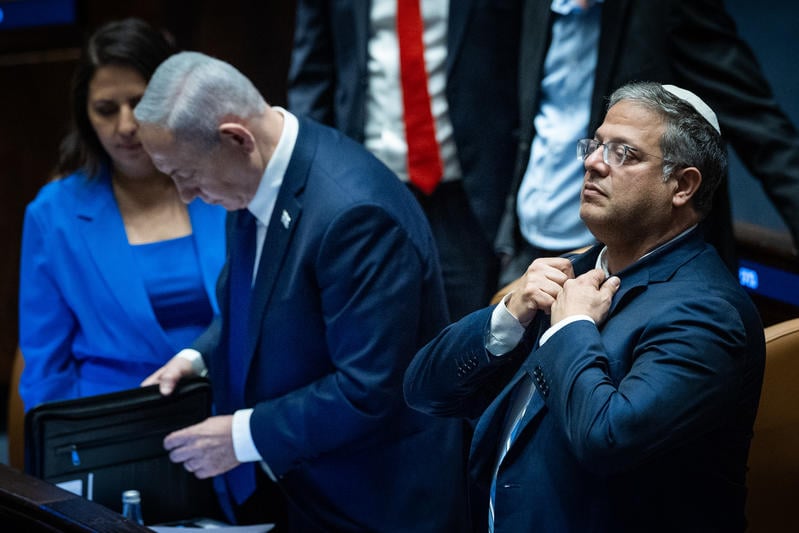
Despite the death penalty existing in Israeli law for high treason and under certain martial law conditions, it has only been used once, in 1962 during the trial of Adolf Eichmann. “Today, we took a historic step towards true justice and strengthening deterrence against terrorism,” stated Son Har-Melech following the vote. National Security Minister Itamar Ben Gvir, chairman of Otzma Yehudit, celebrated the vote by distributing baklava – a pastry sometimes associated with celebrations of attacks against Israelis – before Knesset ushers intervened. This move underscores the highly charged political atmosphere surrounding the legislation. The bill’s advancement comes after years of debate and stalled attempts, and follows the release of hostages in recent ceasefire deals, fueling calls for harsher punishments for those convicted of terrorism. For more information on the Israeli-Palestinian conflict, see the Council on Foreign Relations’ backgrounder.
Opposition lawmakers largely boycotted the vote, with some expressing fears the bill would escalate tensions and invite international condemnation. MK Gilad Kariv (The Democrats) warned it could “lead to an increase in terror attacks” and “bring about dramatic international pressure.” The bill will now be referred to committee for further preparation before the final two readings. The Israel Democracy Institute has raised concerns about the bill’s potential unconstitutionality, citing possible discriminatory application and violation of basic human dignity laws; you can read more about their analysis on their website.
The bill will now proceed to committee for further review and debate before being put to a final vote.
