
Washington is pressing Venezuela to dismantle a powerful criminal association allegedly fostered by the Maduro regime, a move drawing criticism from regional analysts who point to a long history of failed negotiations with the South American nation. The U.S. government, under both President Trump adn Secretary of State Rubio, has reportedly indicated a desire for the “Cartel of the Suns” – long accused of drug trafficking and ties to the highest levels of the Venezuelan government – to dissolve itself. This latest strategy comes amid questions over the legitimacy of recent political appointments within Venezuela and growing concerns about escalating instability along the Colombian border.
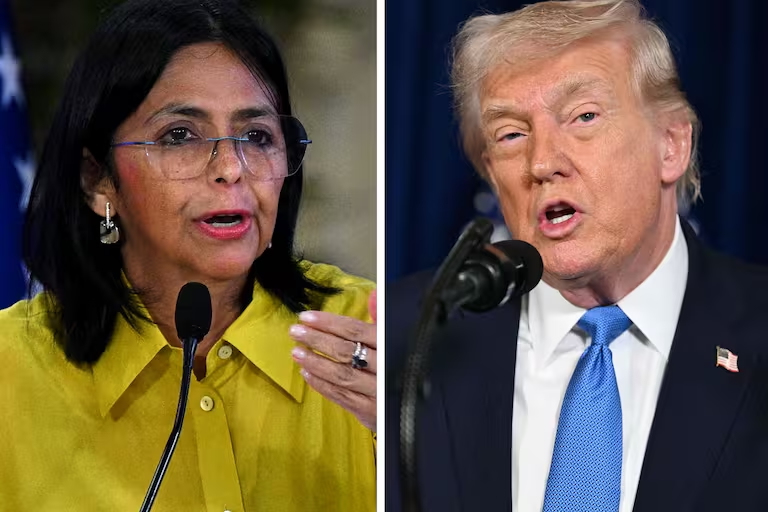
The United States’ strategy toward Venezuela is facing scrutiny as officials suggest the criminal organization allegedly fostered by the Maduro regime should dismantle itself, a move critics call deeply flawed and reminiscent of past failed negotiations with armed groups. The recent recognition of Delcy Rodríguez as the acting president – despite questions surrounding the legitimacy of her claim and the assembly that appointed her – has raised concerns about the direction of U.S. policy.
Both President Trump and the Secretary of State have indicated a desire for the organization, structured over 26 years by the Chavismo-Madurismo government, to “self-dismantle.” This approach, some observers say, echoes unsuccessful attempts to negotiate with terrorist organizations, such as the Oslo Accords of 1993 which granted political status to the PLO under Yasser Arafat, ultimately failing to secure lasting peace with Israel.
The situation is further complicated by a history of broken agreements with the Venezuelan government. Past dialogues, including those led by Jorge Rodríguez, brother of Delcy and a key figure in the Smartmatic voting technology company, such as the Barbados agreement on free elections, have resulted in opposition candidate disqualifications, allegations of fraud, and increased repression. The development underscores the deep distrust between the U.S. and the Maduro regime.
A “Gaza Strip” Between Venezuela and Colombia
Analysts suggest that a key objective of the Venezuelan government, with support from Cuba, has been the establishment of a 2,219-kilometer (1,379-mile) zone along its western border with Colombia, extending from the strategic Guajira Peninsula to the Brazilian Amazon. This, they say, fulfills the long-held vision of former Venezuelan President Hugo Chávez and Cuban leader Fidel Castro: “Venezuela borders in the West with the FARC and the ELN,” Chávez reportedly stated.
The narcoguerrilla groups operating in Venezuela, allegedly under the protection of the regime and its military, include leaders who regrouped after setbacks prior to the 2016 peace agreement. These armed groups, including the FARC and ELN, reportedly control rich agricultural and mining areas, and maintain a presence in 12 cities along the porous border with Colombia, operating with impunity under the control of the Venezuelan military and allied Chavista paramilitary organizations. The 2016 peace accords, brokered by Norway and Cuba, are criticized for granting status to former FARC members, allowing them to occupy congressional seats while their military wing allegedly regrouped and strengthened within Venezuela.
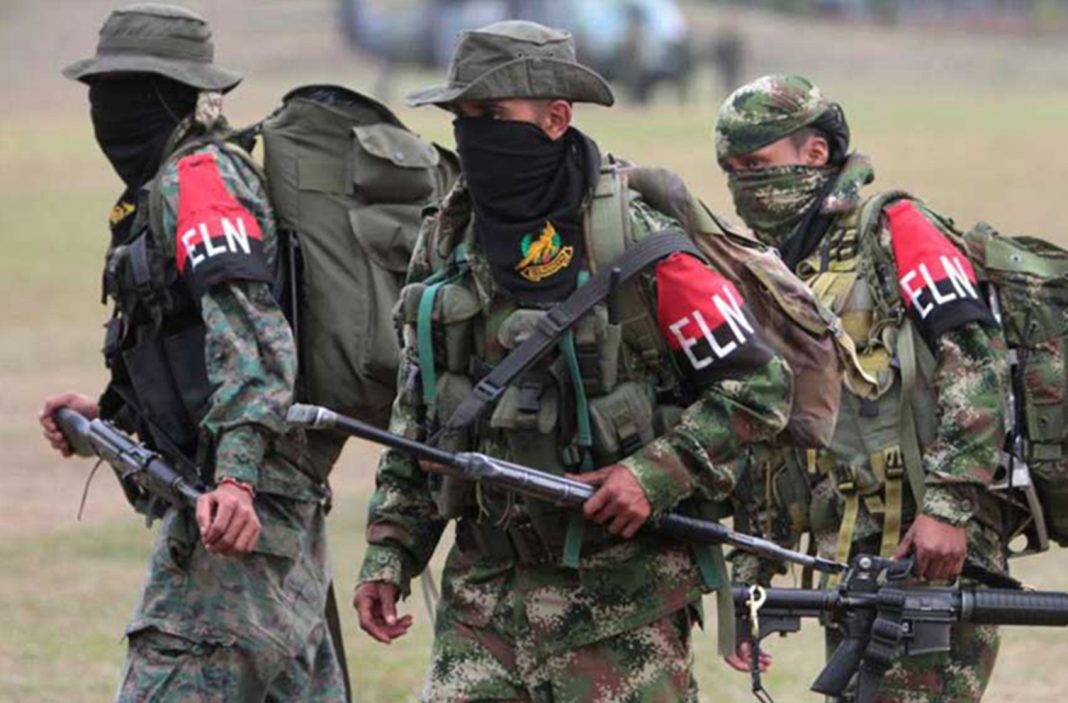
Recent clashes between the ELN and FARC dissidents in the Catatumbo region, according to reports, reveal the Venezuelan government’s alleged interest in dominating the border area, securing its rear, and preparing for potential destabilization. Semana magazine reported that the “extermination of the 33 structure of the FARC dissidents was planned since 2024 and coincided with the arrival of the Cartel of the Suns, the drug trafficking organization that includes the highest representatives of the dictatorship.” The report also suggests a possible alliance between Mexican cartels and the Cartel of the Suns to control the region, which produces significant amounts of cocaine destined for the United States.
This vast Colombian-Venezuelan zone is reportedly a hub for cocaine production and trafficking, as well as the movement of weapons, money, gold, and strategic minerals, with Venezuela providing support for transit and international distribution. The situation poses a threat to both Venezuela and neighboring countries, particularly Colombia, with forecasts of unpredictable violence in this “Gaza Strip” as various groups call for the creation of a “Great Insurgent Block” against U.S. presence in the Caribbean.
A significant concern is the potential for modern light weaponry held by the Venezuelan armed forces (FANB) to fall into the hands of allied narcoterrorist organizations and criminal networks operating on the Venezuelan side, allegedly protected by the regime to safeguard their illicit businesses and provide a potential escape route for Chavista leaders. In Venezuela, opposition groups, with international support, have sought to restore democracy through dialogue and negotiation, but the latest agreement, brokered in Barbados and advised by Jorge Rodríguez and U.S. officials, allegedly led to electoral fraud, the exile of the elected president, and the imposition of a repressive state of siege, where paramilitary groups operate with impunity in many areas.
With each “dialogue” and “agreement,” the crisis in the country has worsened and violence has increased. Questioning the repeated use of the same actors and failed strategies, observers ask whether these criminals will genuinely “self-dismantle” after decades of organized survival. The announcement could influence future diplomatic talks. Negotiating with narcoterrorists, some argue, is a flawed approach, and the current situation demands a reassessment of U.S. policy toward Venezuela.
