
As the United states weighs its options regarding Venezuela‘s political and economic crisis, comparisons to past interventions in latin America are drawing scrutiny. A new analysis by former national security official Brett McGurk draws parallels between the current situation and the 1989 U.S.operation in Panama, raising questions about potential military action and the lessons learned from interventions in Iraq and Afghanistan. with a U.S. Navy presence in the region-amounting to roughly 15% of its total power-and Nicolás Maduro facing mounting criminal charges,the debate over how to address the crisis is intensifying.
Brett McGurk, a former national security official who served under four U.S. presidents, is urging caution regarding the objectives of U.S. foreign policy and the use of military force. His analysis for CNN suggests that despite lessons learned from experiences in Iraq and Afghanistan, the situation in Venezuela could present an opportunity for positive change. However, he stresses that any deployment of U.S. military assets – currently including approximately 15% of the Navy’s power – must be tied to clearly defined and achievable goals.
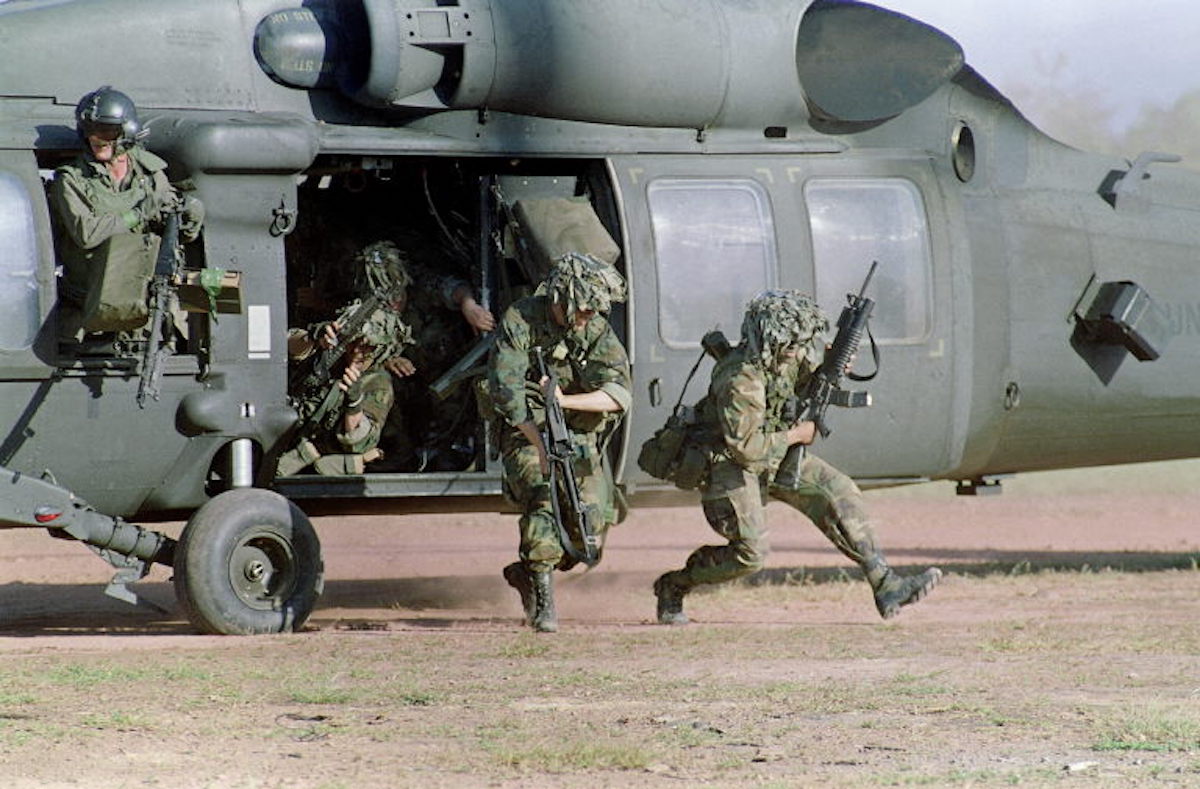
McGurk draws a comparison between Venezuela and the 1989 U.S. military operation in Panamá, which resulted in the removal of a dictator and the establishment of a broadly supported, democratically elected government. Panama is now considered a functional and prosperous democracy. McGurk questions whether the experience in Iraq is hindering the U.S. from improving the lives of Venezuelans and bolstering regional stability, potentially mirroring the success seen in Panama.

Parallels Between Panama and Venezuela
Significant parallels exist between the regime of Manuel Noriega in Panama in 1989 and the current government of Nicolás Maduro. President George H.W. Bush justified the mission in Panama by stating that Noriega was an indicted drug trafficker who had annulled elections and harmed U.S. citizens. Bush also emphasized the need to protect the integrity of the Panama Canal.
Currently, Nicolás Maduro faces even more extensive criminal charges in U.S. courts, including narco-terrorism, corruption, and drug trafficking. He is accused of leading the “Cartel of the Suns,” recently designated by the State Department as a Foreign Terrorist Organization. Washington is offering a $50 million reward for information leading to his capture. The situation highlights the complex challenges facing the U.S. as it navigates intervention in Latin America.
Like Noriega, Maduro has invalidated successive elections and violently suppressed democratic movements. The opposition, led by María Corina Machado, is recognized by the United States and most of its Western allies as the legitimate government. Furthermore, Maduro has threatened and harmed U.S. citizens, even holding them as diplomatic leverage.

Warnings and Strategic Differences
Despite the compelling reasons for Maduro’s removal, McGurk emphasizes that the differences with Panamá outweigh the similarities or the hope for an identical outcome. A key difference is scale: Venezuela is more than 10 times larger than Panama, which would require a significantly larger military force than the 1989 operation.
Moreover, should Maduro be replaced, there are no guarantees that local authorities throughout the country would cooperate with a new government, increasing the risk of a violent power struggle. This could trigger a civil war or allow drug cartels to take control of rural areas instead of democratic forces. The potential for instability underscores the need for careful consideration.
The geopolitical context is also radically different from that of 1989, when the United States was the undisputed global superpower and the Soviet Union had collapsed. Today, Russia and China are aligned with the regime of Maduro. Any U.S. operation in Venezuela would likely be cited by Moscow and Beijing as justification for pursuing their own ambitions in Ukraine and Taiwan, respectively.
The Trump Administration’s Strategy
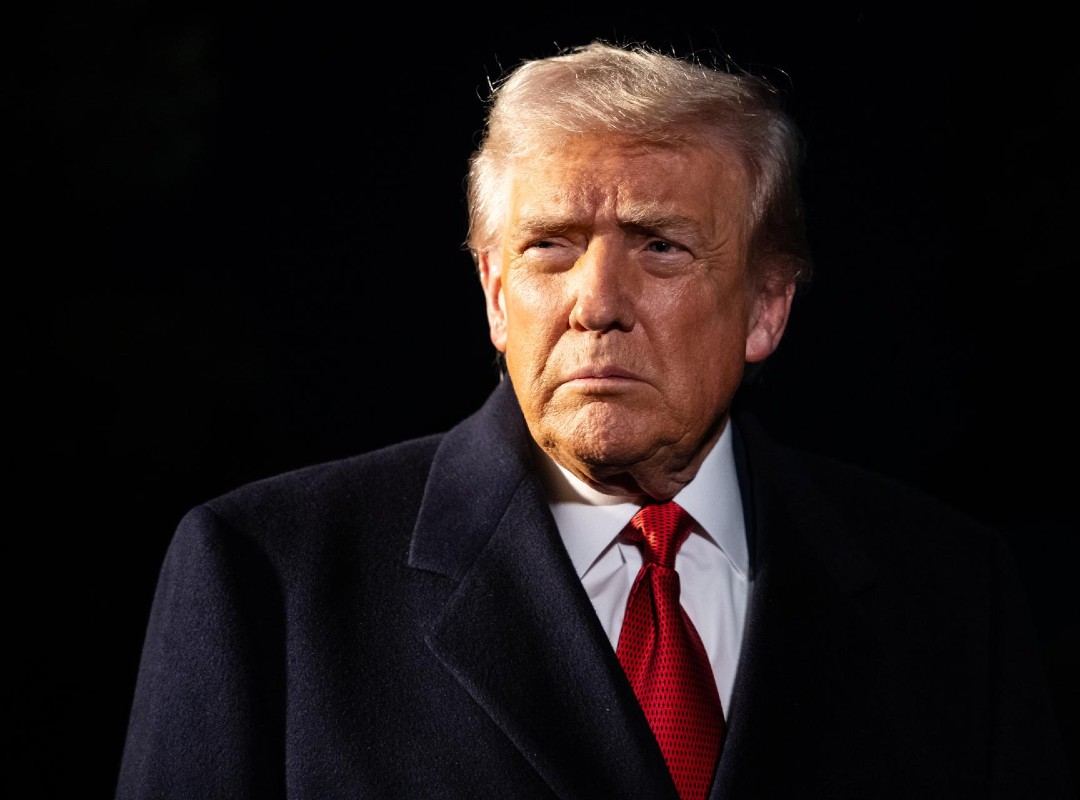
The Trump administration has deployed a carrier strike group – the most advanced in its arsenal – near the coast of Venezuela, a move perceived by Maduro as a potential intervention. This operation, dubbed Southern Lance, is officially intended “to eradicate narco-terrorism and protect our homeland from drugs.”
Although President Trump has stated that Maduro’s days are “numbered,” the stated objectives do not mention restoring democracy or ousting the leader. McGurk believes it is unlikely the Trump administration will seek regime change through military means, given its stated aversion to prolonged military engagements. However, the deployment suggests objectives beyond those publicly stated. The increased military presence is being closely watched by regional and international observers.
Absent a direct military operation, McGurk recommends the Trump administration effectively leverage the pressure already being applied to Maduro. The United States can demand the surrender of key drug traffickers, the withdrawal of claims against Guyana, and a commitment to free and fair elections with international observers. They could even demand Maduro’s exile, possibly to Russia.
Before the United States embarks on a policy to replace Maduro, Congress should hold a debate to weigh the pros and cons of action. The military power deployed can be better used to achieve objectives without necessarily requiring direct intervention in the country.
