
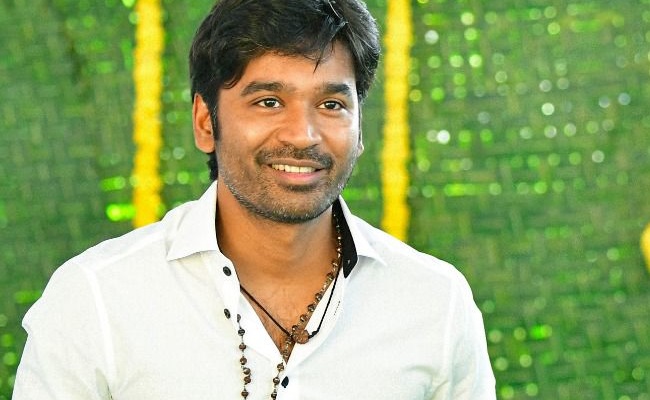
In the unforgiving world of entertainment, how can artists maintain their creative vision in the face of relentless criticism? This article examines the resilience of artists, using recent events like actor Dhanush’s public address as a starting point, to explore future trends in navigating public perception, leveraging fan support, and proactively managing the unavoidable challenges of criticism in the entertainment industry.Discover how artists are not only surviving but thriving by embracing authenticity and building stronger connections with their audiences.
The Resilience of artists in the Face of Criticism: A Look at Future Trends
The entertainment industry, like any arena of public life, is frequently enough subject to intense scrutiny adn, at times, unwarranted negativity. Recent events, such as the public address by actor Dhanush at the audio launch of his film “Kubera,” highlight the challenges artists face. This article delves into the evolving landscape of dealing with criticism, the power of fan support, and the future trends shaping how artists navigate public perception.
The Rise of Digital Negativity and Its Impact
The digital age has amplified the reach and speed of both positive and negative commentary. Social media platforms and online forums provide avenues for instant feedback, but also for the spread of rumors and malicious campaigns. Dhanush’s response to the negativity surrounding his career underscores a growing trend: artists are increasingly confronting online criticism head-on.
Case Study: Consider the impact of online “cancel culture” on various celebrities.While some careers have suffered,others have demonstrated resilience by addressing controversies directly,frequently enough with the support of their fan base. This shift highlights the importance of proactive reputation management.
pro Tip: Artists should actively monitor their online presence, engage with their audience, and have a crisis communication plan in place to address potential negativity swiftly and effectively.
The Power of the Fan Base: A Torch in the Darkness
Dhanush’s acknowledgment of his fans as a source of strength and support is a recurring theme in the entertainment world. loyal fans often rally behind their favorite artists, providing a buffer against negativity and amplifying positive messages.This dynamic is crucial in shaping public perception and maintaining an artist’s career trajectory.
Did you know? Fan clubs and online communities play a notable role in promoting artists’ work, organizing support campaigns, and countering negative narratives. Their influence is growing, making them essential partners in an artist’s success.
Future Trends: Navigating the Entertainment Landscape
Several trends are emerging in how artists manage their public image and career in the face of criticism:
- Authenticity and Clarity: audiences increasingly value authenticity. Artists who are open and honest about their lives and work tend to build stronger connections with their fans.
- Proactive Engagement: Instead of avoiding criticism,many artists are choosing to engage with it directly,either through social media,interviews,or public statements.
- Community Building: Cultivating a strong online and offline community of fans provides a support system and a platform for positive messaging.
- Diversification of Content: artists are expanding their creative output beyond conventional formats, such as film and music, to include podcasts, vlogs, and other forms of content that allow them to connect with their audience in new ways.
The role of the media and Public Relations
The media and public relations professionals play a crucial role in shaping the narrative around artists. They can help manage crises, promote positive stories, and build relationships with the media to ensure accurate and fair coverage. the ability to control the narrative is becoming increasingly significant.
Real-life example: Many PR firms now specialize in reputation management, helping artists navigate controversies and maintain a positive public image. This includes monitoring online conversations, crafting responses to negative press, and proactively promoting positive stories.
FAQ: addressing Common Concerns
Q: How can artists protect themselves from online negativity?
A: By monitoring their online presence, engaging with their audience, and having a crisis communication plan.
Q: What role do fans play in supporting artists?
A: fans provide emotional support, promote artists’ work, and counter negative narratives.
Q: How is the entertainment industry evolving in response to criticism?
A: Artists are embracing authenticity, engaging proactively, building communities, and diversifying their content.
Q: What is the importance of media and public relations?
A: They help manage crises,promote positive stories,and build relationships with the media.
Q: How can artists build resilience against negativity?
A: By focusing on their craft, connecting with their fans, and maintaining a strong support system.
Q: What are some examples of artists who have successfully navigated criticism?
A: Many artists have used social media to address controversies directly, often with the support of their fan base.
Q: How can artists use their platform to promote positive messages?
A: By using their platform to speak out on issues they care about, supporting charitable causes, and promoting positive values.
Q: What are the long-term effects of negativity on an artist’s career?
A: Negativity can damage an artist’s reputation, reduce their opportunities, and impact their mental health. Though,resilience,fan support,and effective crisis management can mitigate these effects.
Q: How can artists stay true to themselves in the face of criticism?
A: By focusing on their values,staying connected to their creative vision,and surrounding themselves with supportive people.
Q: What are the ethical considerations for artists when responding to criticism?
A: Artists should respond with respect, avoid spreading misinformation, and be mindful of the impact of their words on others.
Q: How can artists use their platform to promote positive messages?
A: By using their platform to speak out on issues they care about, supporting charitable causes, and promoting positive values.
Q: What are the long-term effects of negativity on an artist’s career?
A: Negativity can damage an artist’s reputation, reduce their opportunities, and impact their mental health. However,resilience,fan support,and effective crisis management can mitigate these effects.
Q: How can artists stay true to themselves in the face of criticism?
A: By focusing on their values, staying connected to their creative vision, and surrounding themselves with supportive people.
Q: What are the ethical considerations for artists when responding to criticism?
A: Artists should respond with respect, avoid spreading misinformation, and be mindful of the impact of their words on others.
Q: How can artists use their platform to promote positive messages?
A: By using their platform to speak out on issues they care about, supporting charitable causes, and promoting positive values.
Q: What are the long-term effects of negativity on an artist’s career?
A: Negativity can damage an artist’s reputation, reduce their opportunities, and impact their mental health. However, resilience, fan support, and effective crisis management can mitigate these effects.
Q: How can artists stay true to themselves in the face of criticism?
A: By focusing on their values, staying connected to their creative vision, and surrounding themselves with supportive people.
Q: what are the ethical considerations for artists when responding to criticism?
A: Artists should respond with respect, avoid spreading misinformation, and be mindful of the impact of their words on others.
Conclusion
The ability to navigate criticism is becoming an essential skill for artists in the modern entertainment landscape. By embracing authenticity, leveraging the power of their fan base, and proactively managing their public image, artists can build resilience and thrive in an surroundings that is often challenging. The future of the industry will likely see even greater emphasis on these strategies, as artists seek to maintain their creative vision and connect with their audiences on a deeper level.
What are your thoughts? Share your opinions on how artists can best handle criticism in the comments below!
