
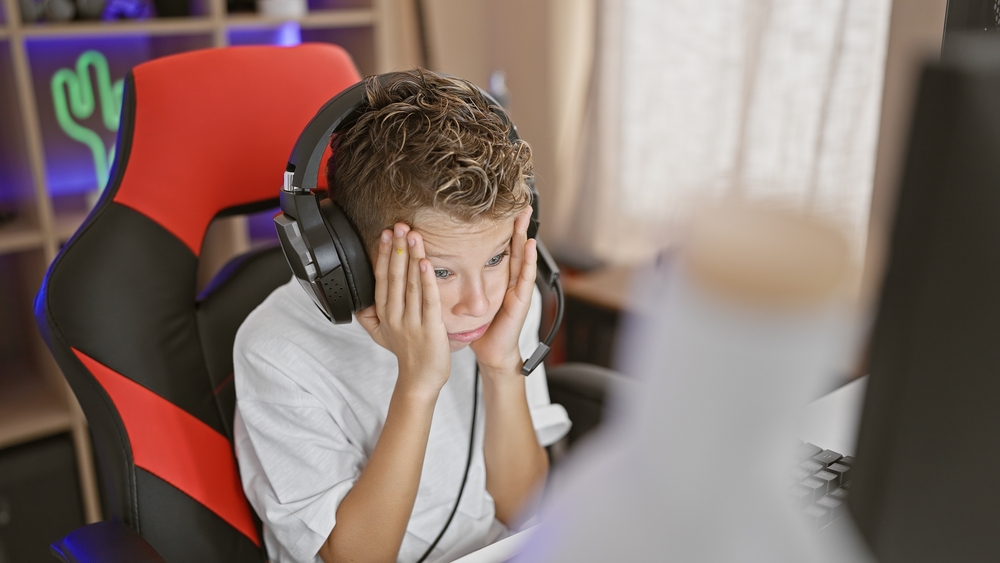
A new study from the videogames Federatie Nederland (VGFN) reveals a notable evolution in how Dutch parents are approaching their children’s gaming habits, moving away from outright restriction toward increased understanding adn engagement. the report, based on a survey of over 1,000 parents, indicates a growing recognition of both the potential benefits and risks associated with video games, mirroring similar trends observed in other European nations [[1]]. as gaming continues to permeate modern childhood, this shift highlights the challenges and opportunities for parents navigating the digital world alongside their children.
Dutch parents are increasingly engaged in managing their children’s gaming habits and demonstrating a strong interest in the games they play, according to a new report. The annual study, conducted by the Videogames Federatie Nederland (VGFN) among over 1,000 parents of children aged 4 to 17, reveals a significant shift in parental approaches to video games.
The vast majority of parents – 88% – report feeling they have sufficient control over their child’s gaming activities. However, this control is evolving from strict supervision to a more understanding approach. Nearly half of parents (47%) expressed a desire to better understand the specific games their children are playing, prioritizing insight and information over tools like parental control software.
Most parents establish clear rules regarding gaming. 76% set a maximum number of gaming hours per week, and 67% require homework to be completed before gaming is permitted. A further 37% link gaming privileges to positive behavior, such as completing chores or demonstrating good conduct. Gaming is most commonly allowed after school and on weekends, the study found.
Interestingly, parents don’t view video games solely as a cause for concern. The research indicates a growing recognition of the benefits of gaming. 57% of parents believe gaming improves their children’s English language skills, while 53% observe that games stimulate creativity. 31% report positive effects on intelligence and social skills, with relaxation, enjoyment, and improved concentration also frequently cited.
“Parents are consciously taking the lead,” says Martijn Schenderling, General Manager of VGFN. “They want to know what their children are doing, why a game is popular, and how they can best approach it as a parent.”
The VGFN offers practical information, explanations of popular titles, and tools for establishing clear gaming agreements within the home through its RuleTheGame.nl platform. As gaming becomes increasingly integrated into modern childhood, resources like these are becoming essential for navigating the digital landscape.
Image: Shutterstock
