
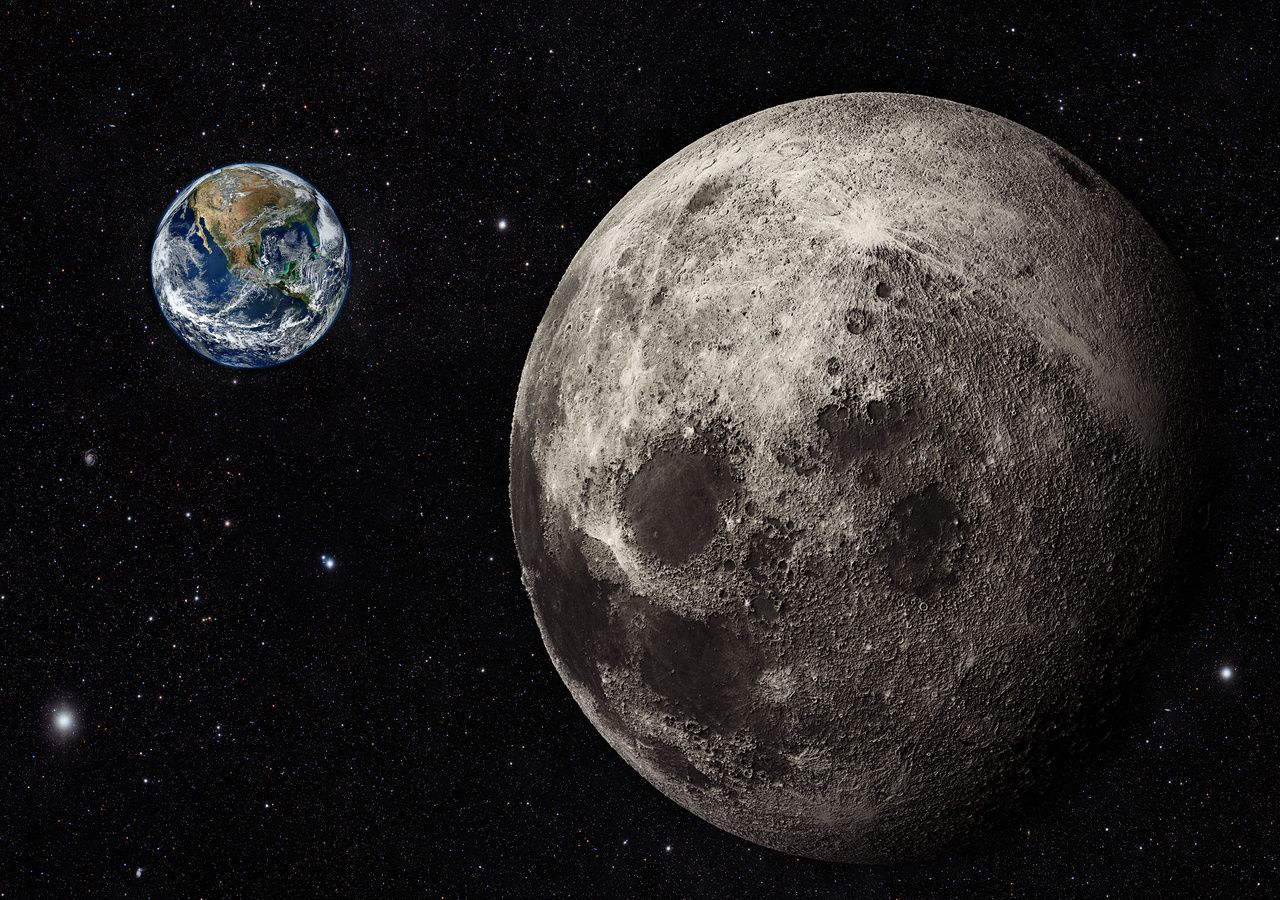
Earth has a new, albeit temporary, companion: astronomers have identified a quasi-satellite, dubbed PN7, that will orbit in concert with our planet for decades to come. While not a true moon – PN7 follows its own path around the sun rather than being gravitationally bound to Earth – the revelation highlights a more complex and dynamic near-Earth environment than previously understood, and underscores the ongoing efforts to track and characterize objects in our cosmic neighborhood [[1]].
For years, the Moon has been considered Earth’s only stable companion, but astronomical records reveal a more complex picture. The number of small bodies transiting the inner solar system is far greater than commonly understood.
While leaving few visible traces, these objects follow intriguing patterns around Earth, suggesting a more dynamic space environment than previously depicted in textbooks. This discovery underscores the ongoing need for advanced observation and tracking of near-Earth objects.
What are quasi-satellites and mini-moons?
The recent identification of an object labeled a “quasi-satellite” has reignited discussion about activity in the region we share with the Moon. The body, now known as PN7, travels in a unique solar orbit, maintaining a rhythm that causes it to appear to accompany Earth without being gravitationally bound. This creates the illusion of a permanent orbit around our planet, though that isn’t the case.
@dani3palaciosdj @danieldazatv #ESTOYCONELCARTEL Existe la historia de la presencia de otros satélites naturales de la Tierra además de la Luna en órbitas en resonancia con nuestro planeta: Los Cuasi Satélites como Cruithne (3753), orbitan al Sol en resonancia 1:1 con la Tierra. pic.twitter.com/nyThQgYQoj
— Alba Salcedo Caldas (@AlbaSalcedoCald) November 19, 2018
Astronomer Ben Sharkey, upon hearing about PN7, remarked, “Oh, great, another one.” His comment reflects how these visitors have become a relatively common phenomenon. While they don’t all follow the same pattern, many describe cycles where they pass Earth and then appear to linger, creating the impression of a busier orbit than meets the eye.
There are also so-called mini-moons, which are temporarily captured by Earth’s gravity. They remain for a short period before continuing their solar journey. Their size is typically so small that they reflect very little light, requiring sensitive instruments for confirmation. Nevertheless, these episodes reveal how changeable the environment near our planet truly is.
How do quasi-satellites and mini-moons work?
Quasi-satellites don’t orbit like the Moon; they follow trajectories primarily influenced by the Sun. However, they coincide with Earth for years or even decades along certain stretches of their path. This synchronicity creates weak but repeating connections. Records show that PN7 began this pattern in the mid-1960s, long before it became a subject of current study.
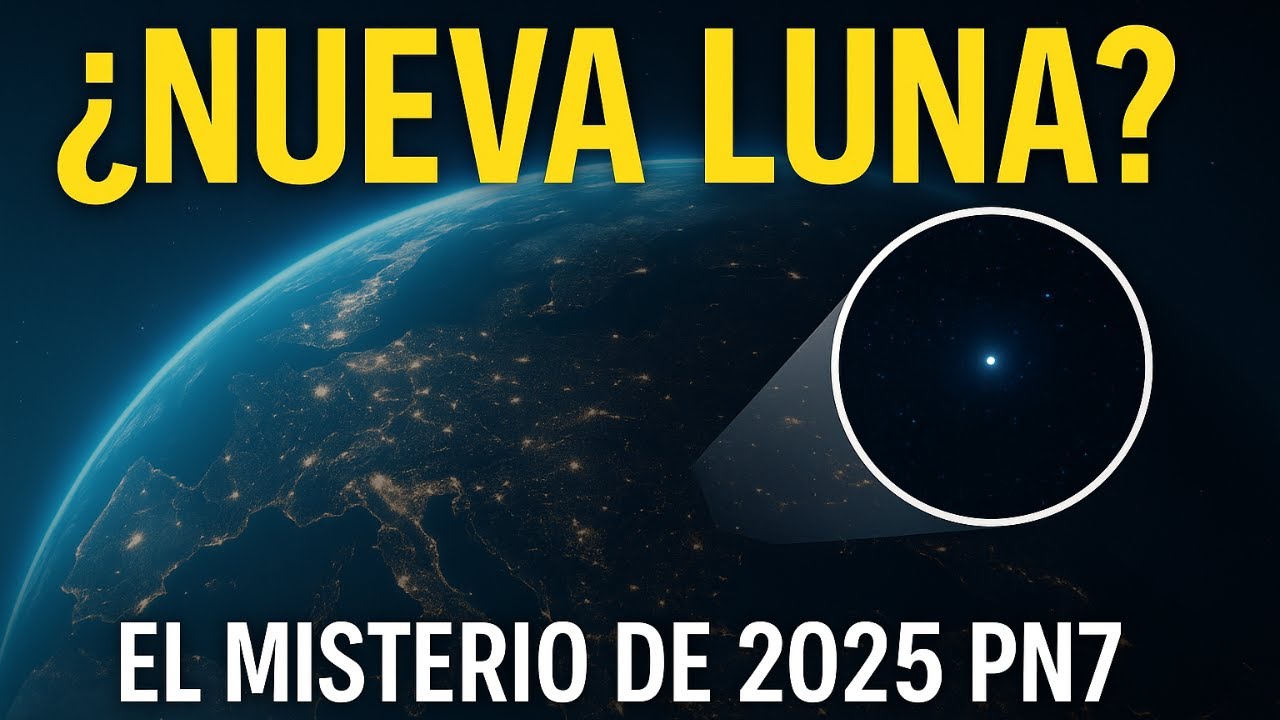
Other bodies maintain this relationship for longer periods. Kamoʻoalewa, known since 2016, has been in this cycle for a century and will remain so for hundreds of years. It’s one of the most stable cases, and its composition appears distinct from most near-Earth objects. Previous studies suggest its surface resembles lunar material, leading to hypotheses about a possible origin linked to fragments ejected from our Moon.
Mini-moons operate differently. They approach, become gravitationally bound for a time, and then depart. To date, only four have been confirmed, with the most recent having accompanied Earth for several months. Its car-sized dimensions allowed for clearer observations, but most are so small they go unnoticed, meaning others may be briefly orbiting without our knowledge.
Possible origin and future of these false satellites
The origin of these bodies remains unclear. Many may be asteroids altered by Jupiter’s gravity and diverted inward, while others could originate from our Moon. Past impacts may have ejected fragments that, over time, settled into particular trajectories. In 2018, “ghost moons” were described – clouds of dust moving in stable zones near the Earth-Moon system.
#WOW | Las cuasi lunas no son lo mismo que las mini #lunas, aquí te explicamos la diferencia entre ellas pic.twitter.com/GEajwZfBIH
— Heraldo Binario (@heraldobinario) February 5, 2025
China is preparing a mission to reach Kamoʻoalewa next summer, aiming to return material for direct study of its origin. This analysis will help determine whether these bodies originated near Earth, are remnants of ancient collisions, or represent a population of objects surviving from the early solar system.
While Earth may not permanently host a second true moon, it will continue to encounter visitors like PN7, reminding us that even with a single stable satellite, we are rarely alone in our journey around the Sun.
