
China is pivoting toward its most innovative sectors to stabilize its labor market, with a fresh policy push targeting “fresh quality productive forces” such as artificial intelligence and the low-altitude economy. According to a circular published on March 20, 2026, the Ministry of Human Resources and Social Security and the Ministry of Finance are coordinating efforts to boost employment opportunities for college graduates and other young demographics.
The initiative seeks to unlock the hiring potential of leading corporations and specialized tiny and medium-sized enterprises (SMEs), specifically those operating in modern services and advanced manufacturing. To drive this growth, the government is utilizing tax and fee reductions alongside social insurance subsidies to encourage firms to recruit more graduates.
Central to the strategy is the expansion of job training and the launch of an internship recruitment plan. These programs are designed to bridge the skill gap in emerging tech fields, including new energy vehicles (NEVs) and AI, signaling a strategic alignment between national employment goals and technological advancement.
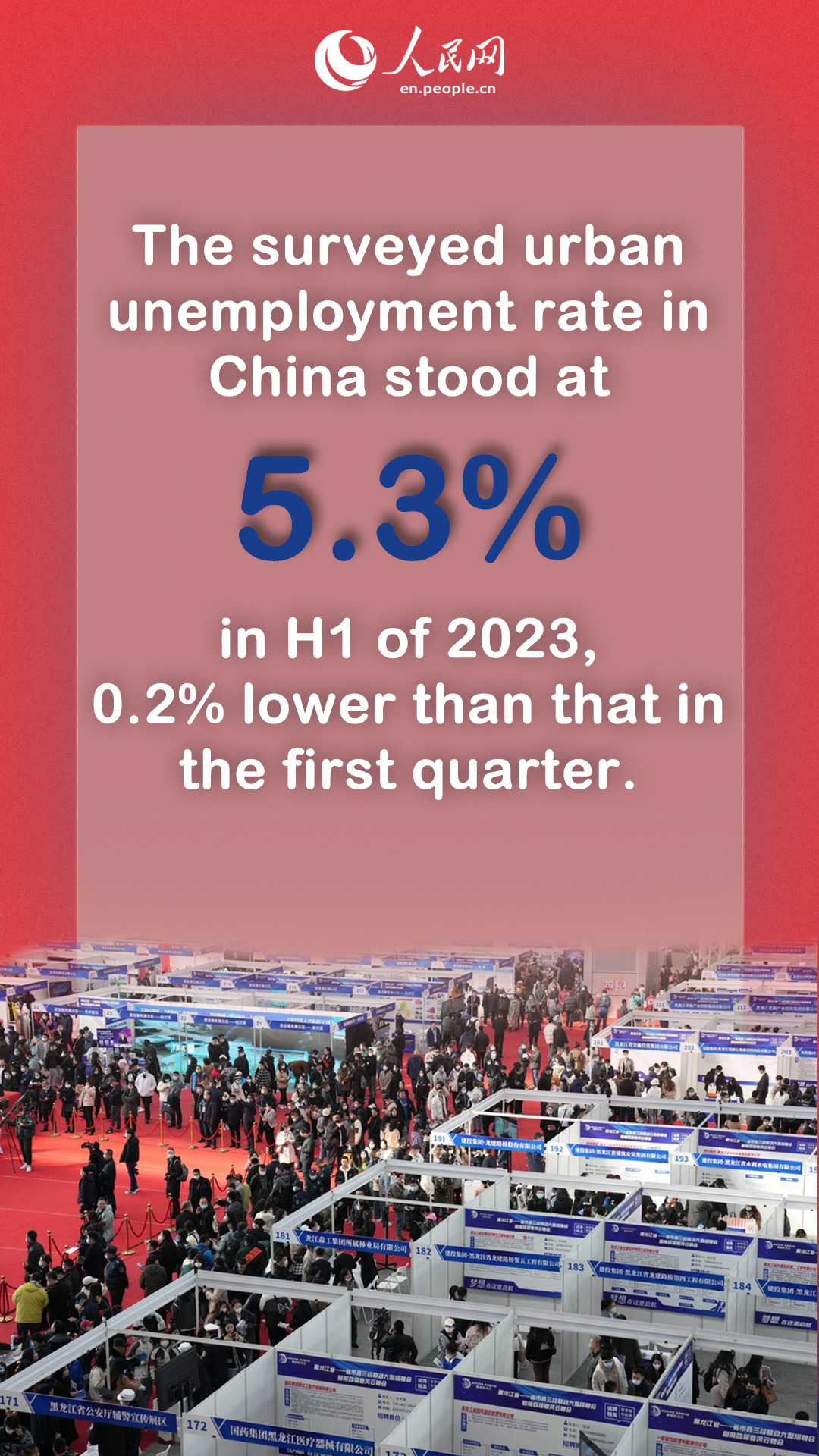
In terms of economic indicators, the government’s work report has set a goal to keep the surveyed urban unemployment rate around 5.5% and generate over 12 million new urban jobs this year. Recent data shows that the surveyed urban unemployment rate in China reached 5.3% during the first quarter.
the policy framework emphasizes targeted support for high-priority groups. This includes families receiving subsistence allowances, households without employed members, those at risk of returning to poverty, and unemployed graduates with disabilities.
