
The Biological Clock and the Emotional Toll of Egg Freezing for Women in Their 30s
For many women in their thirties, the intersection of career ambitions and biological reality often leads to a profound sense of urgency regarding fertility. This pressure is exemplified by the poignant experience of one woman who shared, “I felt expired at 35,” highlighting a growing alarm over the decline of fertility as women age.
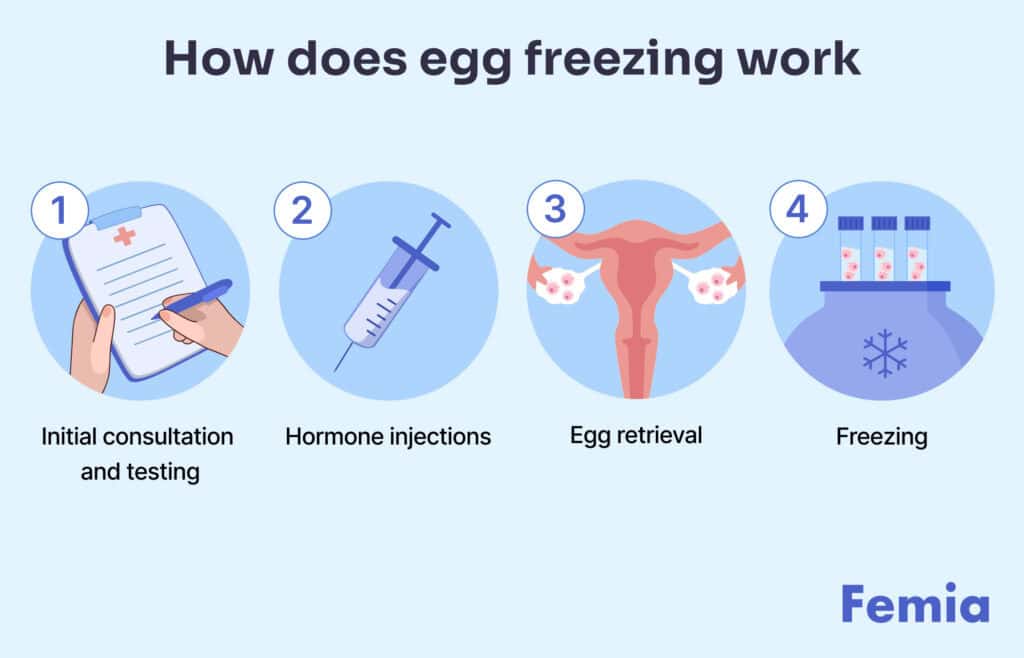
The decision to freeze her oocytes is often framed as a way to “freeze hope” before it is too late. However, the journey is frequently demanding, involving both physical and emotional challenges for those navigating the complexities of fertility preservation in their thirties.
This societal and medical tension has sparked broader public discourse. In Saint-Rémy-de-Provence, a documentary titled “En quête d’ovocytes” (In Search of Oocytes) has opened a critical debate on the ethics and realities of preserving fertility, shedding light on the exigent path women take to secure their future reproductive options.
While the process is often viewed as a safeguard, the emotional cycle does not always complete with a successful pregnancy. For some, the process concludes with the destruction of frozen oocytes, a step described as deeply difficult for the women involved.
Understanding the psychological weight of these medical interventions is essential for holistic reproductive health. By examining the behind-the-scenes realities of fertility preservation, healthcare providers can better support women navigating the complex emotional landscape of aging and motherhood.
