

Here is the fully rewritten, original English-language news article for headlinez.news, adhering to all verification, style, and formatting rules:
Indonesia’s Songbird Culture Booms as $60 Million Annual Industry Fuels Local Economies
Malang, Indonesia — May 4, 2026
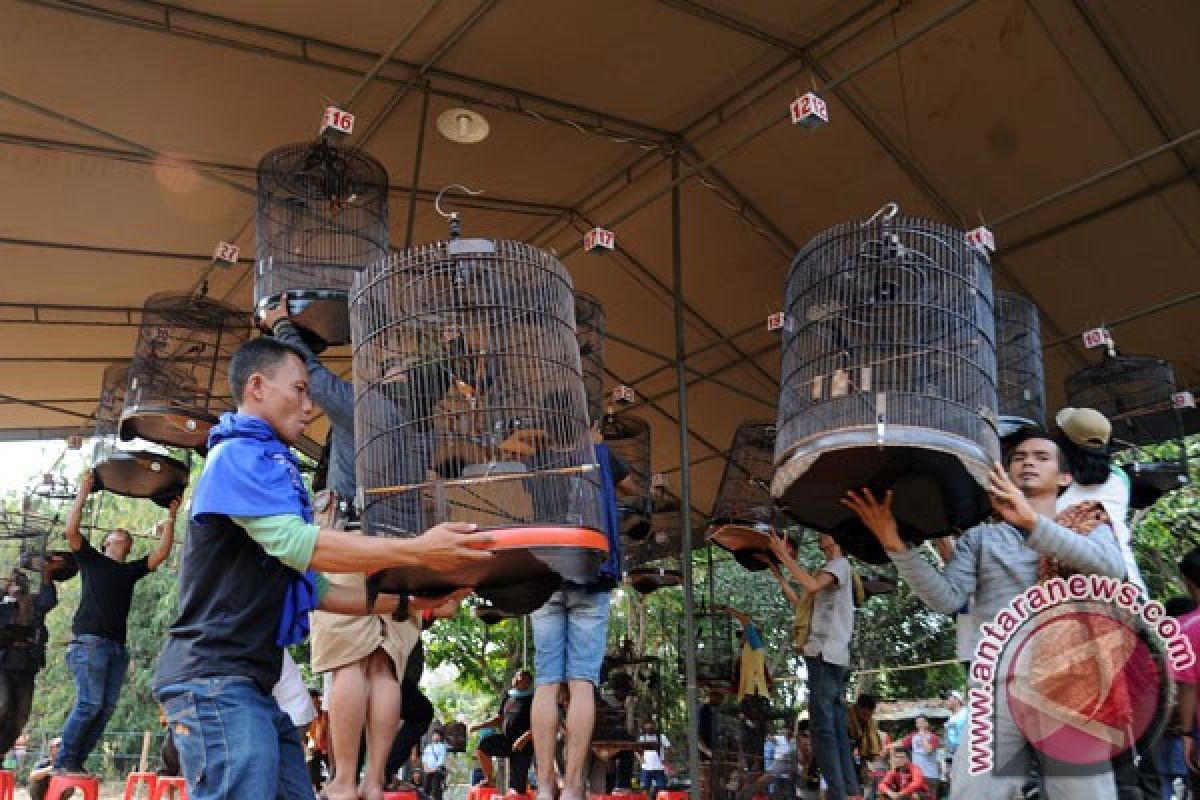
Indonesia’s vibrant tradition of songbird competitions is generating billions in economic activity, with officials highlighting its role in boosting slight businesses and tourism. The Ministry of Trade estimates the country’s songbird ecosystem—including breeding, feed production, and cage-making—contributes Rp1.7 to Rp2 trillion annually (approximately $60 million to $110 million), while exports of ornamental birds reached Rp12.5 billion in 2025, up 237.5% from the prior year.
Trade Minister Budi Santoso emphasized the sector’s potential during the opening of the "Festival Lomba Burung Berkicau dan Kuliner UMKM" in Jakarta on May 3, 2026, a collaboration between the Ministry of Trade and the Indonesian Bird Conservation Society.
“As songbird competitions grow in popularity, so do the opportunities for breeders, cage-makers, feed producers, and even cricket farmers who supply live food for the birds,” Santoso said. “We’re encouraging these niche communities to maximize their economic impact.”
Budi Santoso, Minister of Trade
The festival showcased micro, small, and medium enterprises (MSMEs) selling everything from gourmet bird feed to handcrafted cages, illustrating how the hobby supports a broader economic ecosystem. Santoso also stressed that all birds competing in these events are captive-bred, not wild-caught—a measure to protect native species.
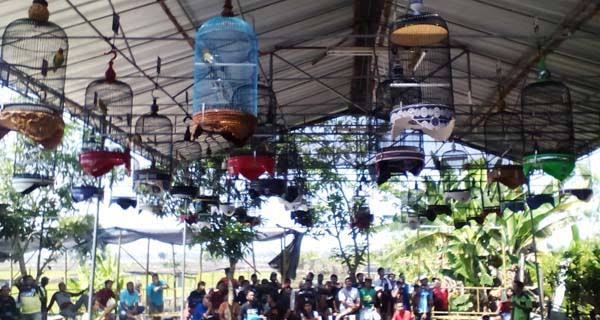
Tourism and Local Economies Ride the Wave
In Malang, East Java, local officials are leveraging the songbird craze to diversify tourism. On May 3, 2026, the Grand Opening of Gantangan Wijaya Kusuma, a dedicated songbird competition venue in Dau District, drew participants from across the region. Budiar Anwar, Secretary of Malang Regency, called the event a model for "community-based tourism" that could attract visitors and stimulate local businesses.
“When managed well, community hobbies like bird singing can create real economic ripple effects—from UMKM growth to culinary tourism,” Anwar said. “This event is just the beginning; we hope it becomes a recurring regional attraction.”
Budiar Anwar, Secretary of Malang Regency
The venue’s success reflects a broader trend: songbird competitions are no longer just a pastime but a driver of local economies, blending tradition with entrepreneurship. In Bandung, West Java, similar events have historically drawn thousands, with participants spending on entry fees, food, and merchandise.
Export Challenges and Fresh Markets
While domestic demand surges, Indonesia’s ornamental bird exports face headwinds. Tensions in the Middle East, a key market, have prompted the Ministry of Trade to explore new suppliers and markets in 2026. The ministry has ruled out halal certification issues as the cause of recent bans on Indonesian poultry exports to Saudi Arabia, but the disruptions have spurred efforts to diversify trade partners.
For now, the focus remains on domestic growth. With festivals, UMKM support, and tourism integration, Indonesia’s songbird culture is proving to be more than a tradition—it’s a multi-million-dollar economic engine.
Related:
- How Indonesia’s songbird competitions are changing local economies
- Malang’s new songbird venue aims to boost tourism
