
A landmark trade agreement between the European Union and Mercosur has officially entered into force, creating a massive integrated market encompassing more than 700 million people. The deal marks a significant shift in global trade dynamics, aiming to reduce barriers and foster deeper economic ties between Europe and the South American bloc.
The agreement initiates a phased reduction of tariffs, with a gradual elimination of duties on 91% of trade between the EU and Mercosur. This move is designed to streamline the flow of goods and services, though the implementation process is expected to face several hurdles as the two regions synchronize their regulatory frameworks.
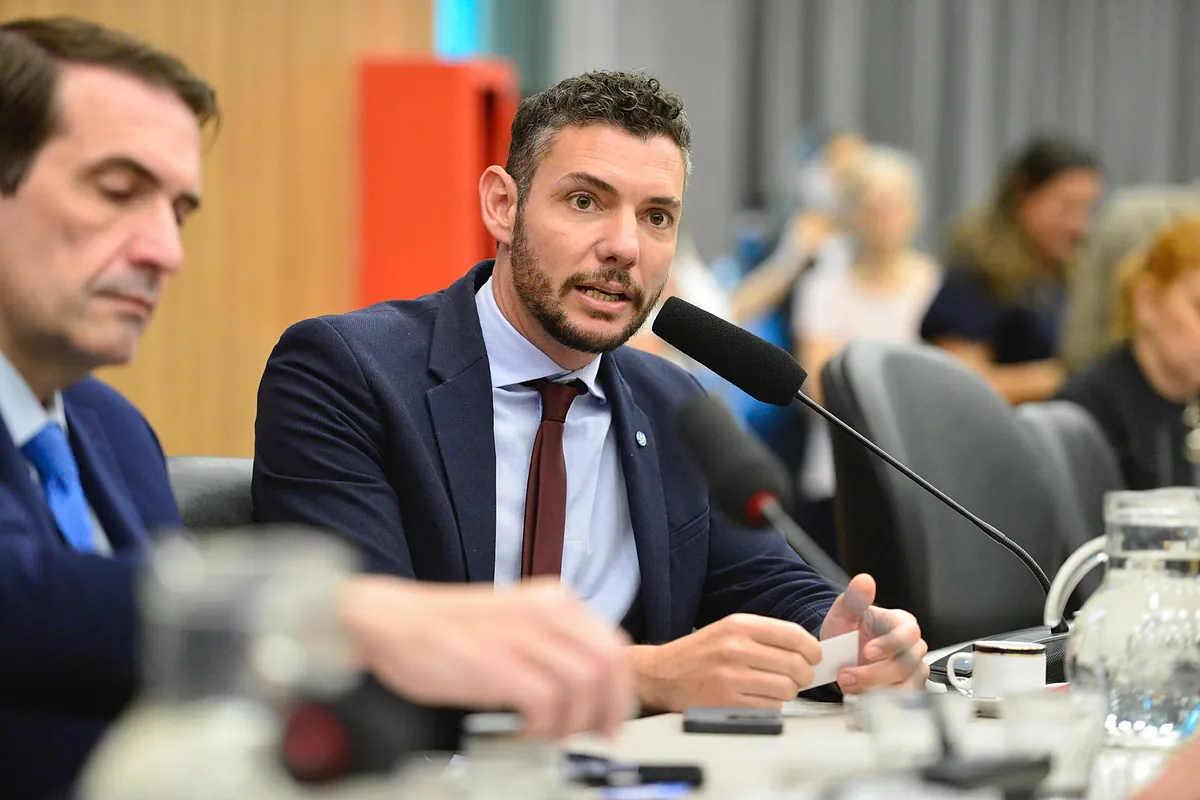
The deal has sparked intense debate over agricultural competition. Damián Arabia, an Argentine deputy, has pushed back against claims that the agreement would lead to an agricultural takeover of European markets. Addressing the tension, Arabia questioned whether Europe wants to lead or prefers to seize refuge
, asserting that the deal does not represent an agricultural invasion
.
For European agriculture, the transition from a broad multilateral trade approach to this specific agreement with Mercosur represents a strategic pivot. However, the path forward remains complex, as the agreement enters into force with numerous outstanding issues that still require resolution.
This development underscores the ongoing struggle to balance open global trade with the protection of domestic industries. The success of the EU-Mercosur partnership could serve as a blueprint for future diplomatic and economic treaties between diverse regional blocs.
Further details on the agreement’s implementation can be found through reporting by El Mundo, EL PAÍS, La Voz de Galicia, El Confidencial, and elDiario.es.
