
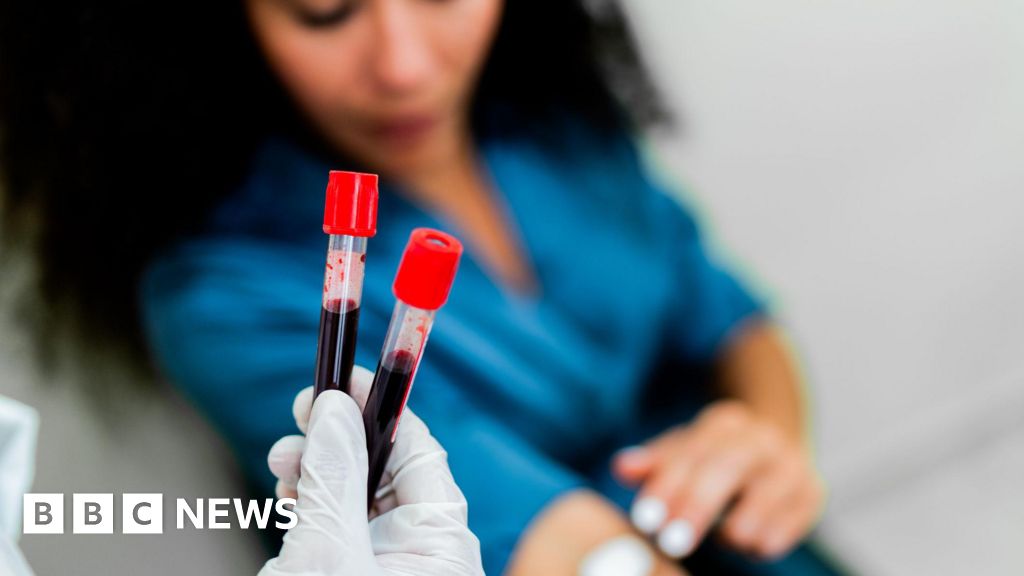
Blood Test Shows Promise in Early Detection of Over 50 Cancers
A new blood test has demonstrated the ability to detect over 50 types of cancer, potentially revolutionizing early diagnosis and improving treatment outcomes.
Results from a year-long trial involving 25,000 adults in the US and Canada showed the Galleri test, developed by Grail, correctly identified cancer in 62% of those who received a positive result. Significantly, three-quarters of the cancers detected were those without existing routine screening programs, such as ovarian, liver, and pancreatic cancers. The test works by identifying fragments of cancerous DNA circulating in the blood and correctly pinpointed the cancer’s origin in 90% of cases.
“The data showed that this test could fundamentally change our approach to cancer screening,” said Dr. Nima Nabavizadeh, associate professor of radiation medicine at Oregon Health & Science University. “It could help detect many types of cancer earlier, when the chance of successful treatment or even cure are the greatest.” The test also correctly ruled out cancer in over 99% of those who tested negative, and when used alongside existing screenings for breast, bowel, lung, and cervical cancer, increased overall cancer detection seven-fold. Early detection is crucial, as cancer remains a leading cause of death worldwide.
While the results are promising, experts caution that further research is needed to determine if earlier detection translates to reduced cancer mortality. “Data from randomised studies, with mortality as an endpoint, will be absolutely essential,” stated Clare Turnbull, professor of translational cancer genetics at The Institute of Cancer Research, London. The NHS is currently trialing the Galleri test with 140,000 patients in England, with results expected next year, and officials have indicated potential expansion to one million people if successful. The National Health Service will play a key role in evaluating the test’s effectiveness.
Sir Harpal Kumar, president of biopharma at Grail, described the results as “very compelling,” adding that the aim is to “shift to earlier detection, when we have the chance to use treatments that are much more effective and potentially curative.”
